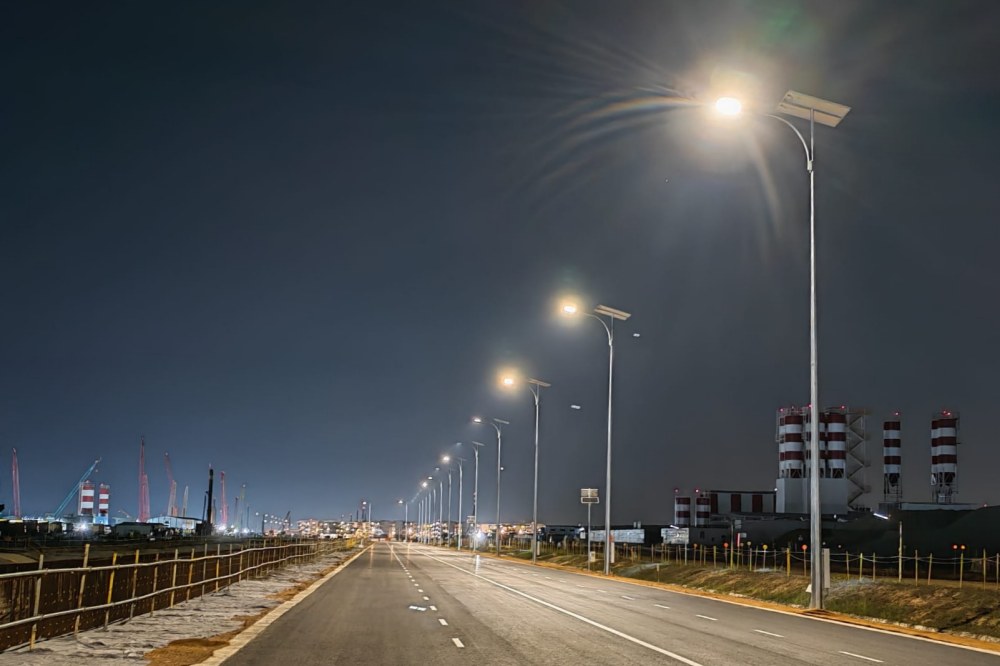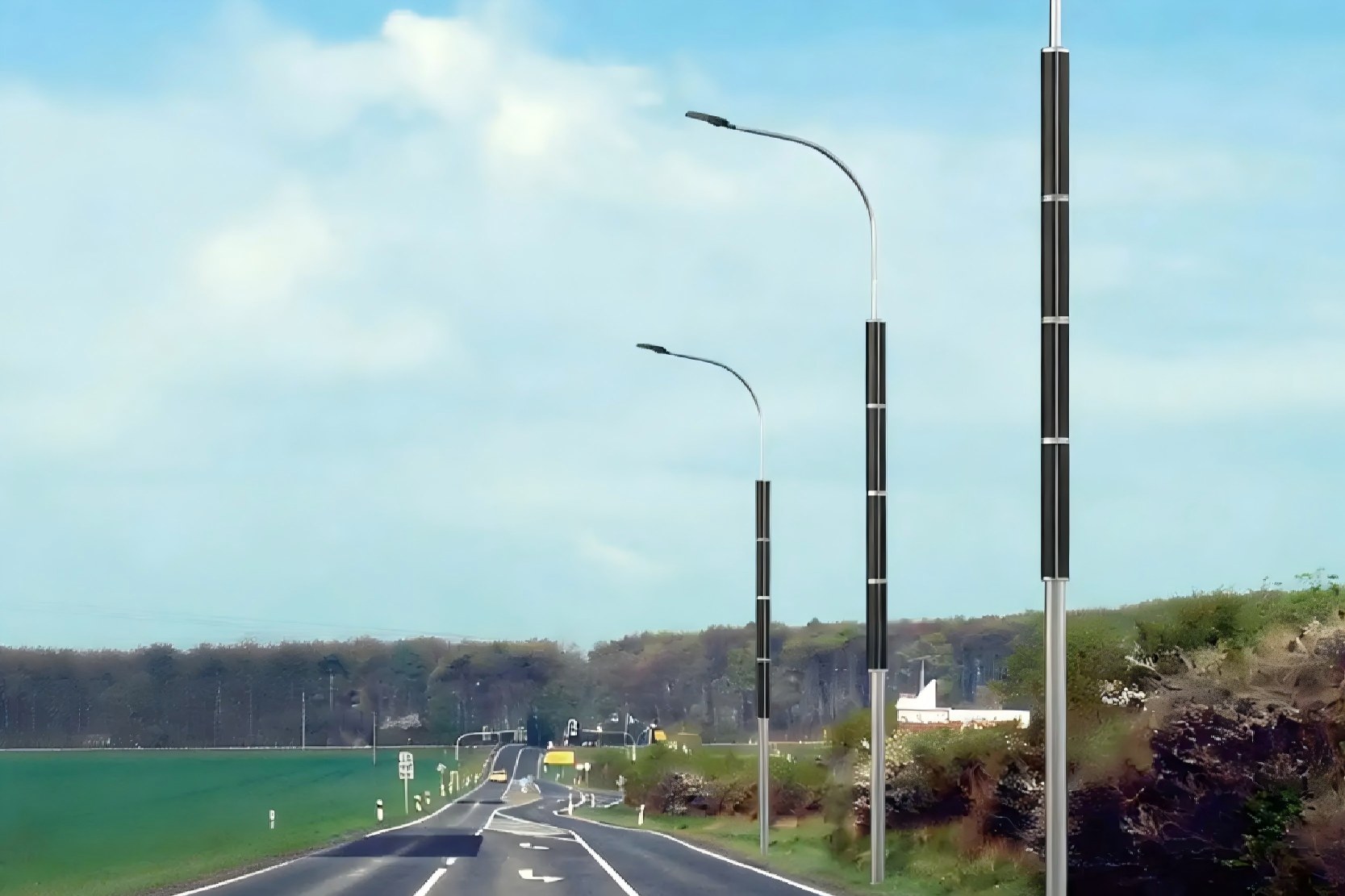

Streetlight pole spacing for urban roadway installations generally falls between 80 and 150 feet, with final layout governed by multiple engineering variables: taller mounting poles deliver broader illuminated coverage to permit wider setback spacing; narrow pavement widths demand tighter pole placement to eliminate dark unlit zones. As a prevailing industry rule of thumb, target roadway illuminance paired with pole mounting height sets practical spacing, commonly sized at 2.5 to 3 times the overall pole height.
Key Takeaways
- Street light poles need to be 80 to 150 feet apart on city roads. This helps give even light and stops dark spots.
- The rule is to space poles 2.5 to 3 times the pole’s height. This gives the best spread of light.
- Think about the street type and how the land is used when planning pole spacing. Different places need different setups for safety and seeing well.
Spacing for Street Light Poles: Guidelines and Rules
Standard Spacing Ranges
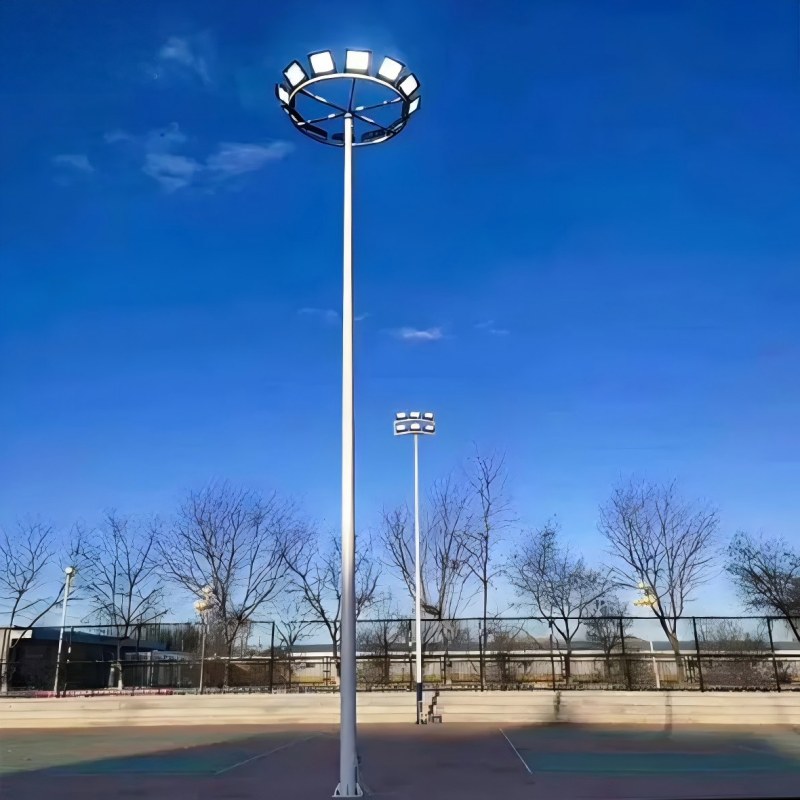
Transportation authorities give rules for how far apart street light poles should be. Most city roads need poles spaced 80 to 150 feet apart. This helps keep the lighting even and stops dark spots from forming. The space between poles depends on how tall the pole is and what kind of street it is. On sidewalks, poles are usually 15 to 20 feet tall and placed closer together. Narrow streets use poles that are 26 to 33 feet tall. Wide streets use poles up to 40 feet tall. The table below lists common pole heights and how far apart they should be:
| Pole Height (feet) | Recommended Spacing (feet) |
|---|---|
| 30 | 75 – 90 |
| 40 | 100 – 120 |
| 50 | 125 – 150 |
Pole Height and Spacing Multiples
There’s a simple rule for choosing pole height and spacing. Experts recommend that pole spacing should be 2.5 to 3 times the pole height. For example, a 30-foot-high pole should be 75 to 90 feet apart from its adjacent pole. This ensures even light distribution. To calculate spacing, simply multiply the pole height by 2.5 or 3. This rule applies to both residential and commercial areas.
Highway and Residential Spacing
Highways and residential areas require different pole spacing. Pole spacing on highways is larger, typically 250 to 400 feet. This ensures driver safety while illuminating a large area. Pole spacing on residential streets is smaller, approximately 100 to 165 feet. In residential areas, pole spacing is typically 2.5 to 3 times the pole height. This ensures pedestrian safety and creates a comfortable driving environment.
Morelux Steel Poles can be made for both highways and neighborhoods. Their factory can change the height and brackets, so they are a trusted supplier for builders. Custom designs help meet local rules and lighting needs.
Note: Planning pole spacing well stops problems like too much light or bad light spread. Companies like Morelux help cities get ready for smart lighting and future updates.
Factors Affecting Street Light Poles Spacing
Street Type and Land Use
Street type and land use are crucial for lighting planning. Wide highways, narrow streets, and commercial areas require different pole placements. The table below lists common pole placements and their effects:
| Arrangement Type | Description | Typical Use | Effect on Spacing |
|---|---|---|---|
| One-sided | Lamps on one side | Local streets | Shorter spacing for even light |
| Opposite | Lamps on both sides, directly across | Highways | Wider spacing, covers large areas |
| Staggered | Lamps on both sides, not directly across | Roads with obstacles | Reduces dark spots, spacing can be wider |
| Median | Lamps on center divider | Wide highways | Spacing depends on road width |
Lighting guidelines recommend adjusting pole spacing based on land use and street width. Morelux offers custom steel poles and arms to meet these needs.
Light Source and Fixture Type
The type of fixture affects the number of poles required. LED fixtures and smart sensors can increase the spacing between poles. Taller poles require more powerful fixtures to better illuminate the road. The table below shows how installation height affects pole spacing:
| Mounting Height | Recommended Spacing (feet) |
|---|---|
| 20 feet | 60 to 80 |
| 30 feet | 90 to 120 |
Vehicle Speed and Safety
Vehicle speed determines the spacing between light poles. Highways require taller poles and closer spacing to ensure safety. Low-speed roads can accommodate wider pole spacing. A good lighting scheme eliminates dark areas, helping drivers and pedestrians gain better visibility.
Light Cone Coverage
Light cone coverage indicates the illuminated area of each light pole. A wider light cone allows for greater spacing between poles. A narrower light cone requires closer pole spacing. New LED technology and intelligent control systems help set light cone coverage and spacing. Morelux offers a variety of pole heights and arm designs for optimal illumination.
- Street light poles are often 100 to 150 feet apart on roads.
- Planners need to think about pole height and street type.
- They also need to look at what kind of lighting is needed.
- Talking to experts and companies like Morelux is helpful.
- This makes sure the spacing is right for the community.
- Always check local rules and ask professionals for advice.
FAQ
How to calculate streetlight pole spacing?
Multiply the pole height by 2.5 or 3. For example, a 30-foot-high pole should be spaced 75 to 90 feet apart from its adjacent neighbor.
Can Morelux customize steel light poles for different types of streets?
Morelux offers customized pole heights, arm designs, and finishes to meet the needs of highways, residential streets, or special lighting requirements.
Why is pole spacing crucial for safety?
Proper spacing prevents dark areas and glare. This helps drivers and pedestrians see better at night, reducing accidents and improving safety.