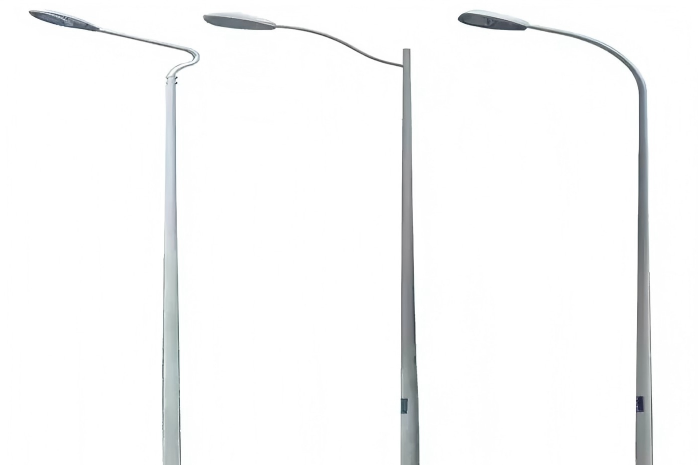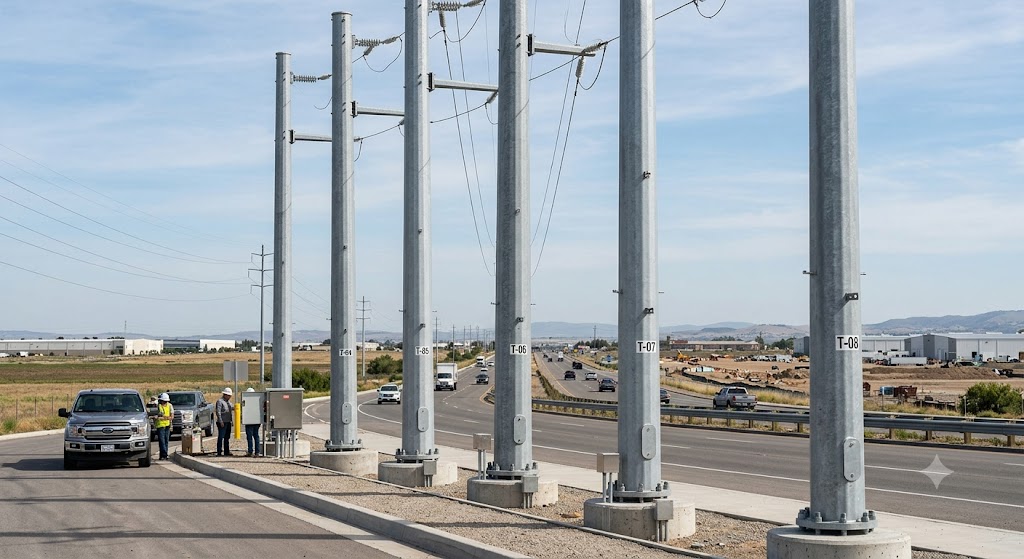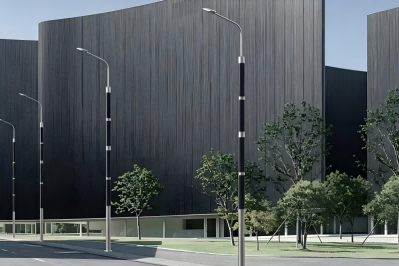
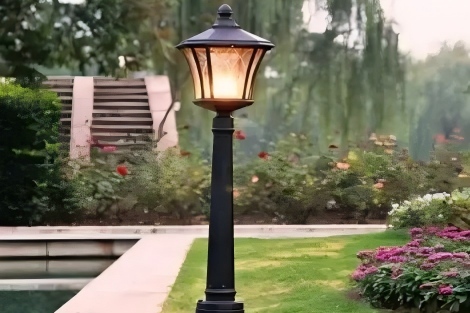
Light pole material selection prioritizes hot-dip galvanized steel as the industry standard for high-load and heavy-duty structural applications; per steel asset lifecycle standards, well-fabricated galvanized steel poles boast a service life of 30 to 50 years under corresponding ISO 12944 atmospheric corrosivity classifications, with a standardized engineering comparison of common light pole materials listed below.
| Material | Average Engineering Lifespan | Primary Maintenance Focus |
| Structural Steel | 30–50+ years (Hot-dip galvanized) | Periodic coating inspection & structural fatigue checks |
| Aluminum | Up to 50 years | Minimal; monitored for galvanic corrosion at joints |
| Composite (Fiberglass) | 40–50 years | UV degradation monitoring & surface coating seals |
| Treated Wood | 20–30 years | High; strict monitoring for rot, pests, and moisture |
Key Takeaways
- Steel possesses the highest yield strength and structural integrity, making it the preferred material for high-pole, multi-lighting, and wind-resistant installations when conforming to ASTM or EN steel standards.
- Aluminum offers excellent resistance to atmospheric corrosion, making it ideal for coastal (C5-M high salinity) environments and urban streets. Its lightweight nature reduces installation costs.
- Composite materials (glass fiber) perform well in localized chemical environments or high-risk electrical areas due to their non-conductive properties, but require a UV-stabilized coating to meet long-term outdoor usage requirements.
steel light poles
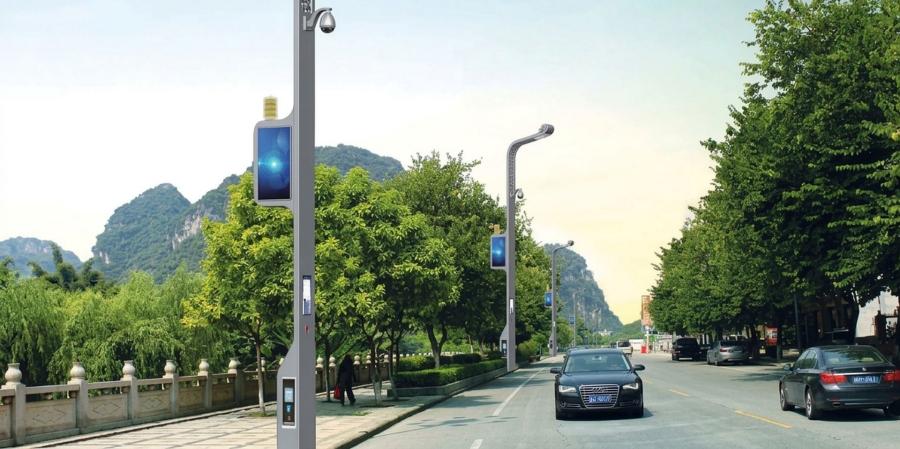
Picking the right material for light poles matters. It affects safety, price, and how long the pole lasts. Many companies look at steel, aluminum, composite, and wood. They compare these materials to find the best one for light poles. The table below shows how each material works in important ways:
| Material | Durability (Years) | Lifespan | Maintenance Needs | Cost Range | Environmental Resistance | Strength |
|---|---|---|---|---|---|---|
| Steel | 20-30 | 15-30+ | Needs rust prevention | $200-$3,000 | Withstands wind, heat, storms | Excellent |
| Aluminum | 50+ | Up to 50 | Low, resists corrosion | $250-$5,000 | Good in humid, coastal areas | Good |
| Composite | 60-70 | ~70 | Very low, no rust | $2,500-$3,500 | Impervious to corrosion | Moderate |
| Wood | Varies | Varies | High, prone to rot | $250-$900 | Poor in wet climates | Low |
Steel poles are the strongest choice for light poles. They can hold heavy things and stand up to strong winds. Factories and sellers pick steel for special and busy projects. Steel is easy to change and put up. Steel poles can hold many kinds of lights, traffic signals, and smart city gear.
Advantages and Disadvantages of Each Material
- Steel
- Advantages:
- Very strong for big lights and tall poles
- Good price for big jobs
- Easy to change for special needs
- Handles bad weather and hits
- Disadvantages:
- Needs rust care and regular checks
- Advantages:
- Aluminum
- Advantages:
- Light, easy to move
- Stops rust by itself
- Needs little care
- Disadvantages:
- Costs more at first
- Not as strong as steel for big poles
- Advantages:
- Composite (Fiberglass)
- Advantages:
- Lasts a very long time
- No rust or damage from water
- Safe for electric use
- Disadvantages:
- Costs more at first
- Not used as much in some places
- Advantages:
- Wood
- Advantages:
- Looks natural, fits in parks
- Costs less at first
- Disadvantages:
- Can rot, get bugs, or break from weather
- Needs lots of care and does not last long
- Advantages:
Why Steel is the Best Choice for High-Demand and Custom Applications
For complex municipal and commercial projects, structural steel remains irreplaceable due to its mechanical properties. Industry experts and manufacturers like MORELUX utilize high-tensile steel to satisfy demanding structural criteria:
- Unmatched Load Capacity: Essential for supporting heavy luminaires, traffic signals, bracket arms, and modern 5G smart city IoT gear.
- Wind Load Engineering: Steel can be fabricated with precise wall thicknesses and diameters to withstand severe wind speeds (e.g., hurricane-force zones) according to AASHTO specifications.
- Geometric Flexibility: Easily customizable in height (up to 40+ meters for high-masts), shapes (round, square, tapered, octagonal), and aesthetic finishes.
Many sellers and builders pick steel because it saves money over time. Steel poles can be recycled when they are old. This makes them good for green projects. For most city and building needs, steel is the most trusted and best-priced material for light poles.
Aluminum Streetlight Poles
Aluminum streetlight poles are widely used in cities and communities. Many companies choose aluminum because of its numerous advantages. Aluminum streetlight poles are lighter than steel ones, allowing workers to install them quickly and safely. This helps factories and large projects save on labor costs.
Aluminum streetlight poles are resistant to rust. Their oxide layer effectively prevents water and salt damage, making them ideal for coastal cities. Even if the pole is scratched, the oxide layer regenerates, keeping it strong and durable for many years. Aluminum streetlight poles require almost no maintenance; most companies say only occasional cleaning is needed.
Aluminum streetlight poles can last up to 50 years or more. This means cities and builders don’t need to replace them frequently. Aluminum streetlight poles are easier to maintain than steel ones, which require regular rust checks.
The cost of installing aluminum streetlight poles ranges from $2,000 to $4,000. Most installation work can be done using only common tools. Factories and builders can save on labor costs. Installing aluminum streetlight poles is easier than installing steel ones. The steel pole is heavy and requires special tools.
| Material | Corrosion Resistance | Maintenance Needs |
|---|---|---|
| Aluminum | Oxide layer protects it; grows back if scratched. | Needs little care, lasts over 50 years. |
| Steel | Zinc coating stops rust but can wear off and cause rust. | Needs care or new parts. |
Aluminum is a good choice for light poles in many places. It lasts a long time, needs little care, and is easy to put up. This makes it a smart pick for city projects.
Composite Material Light Poles
Composite material light poles are now widely used in numerous public works projects. Many companies recommend using these poles because they are lightweight and sturdy. Workers can install them quickly, saving costs and reducing the use of heavy equipment. The hollow interior of the poles allows for easy wiring, making them ideal for new lighting systems.
These poles will not rust, rot, or be damaged by sunlight. Cities use composite material light poles in places such as roads, parks, and parking lots to improve visibility and ensure safety. Composite material light poles contribute to nighttime activity and traffic safety. They are durable and require virtually no maintenance.
Composite material light poles do not rust or rot, making them ideal for wet or coastal areas. They are more environmentally friendly than treated wood because they are non-toxic and harmless.
More and more cities are purchasing composite material light poles every year. Currently, about 23% of the market share is used for lighting, and this percentage is constantly growing. While most composite material light poles are still used for power lines, their application in lighting is becoming increasingly common.
| Environmental Benefit | Description |
|---|---|
| Non-toxic properties | Composite poles do not pollute soil or water. |
| Reduced maintenance needs | Fewer replacements mean less trash and lower costs. |
| Corrosion resistance | No rust or rot, even in tough places. |
| Environmental resistance | Poles stand up to fire, water, and chemicals without bad coatings. |
| Longer lifespan | Strong design means fewer replacements over time. |
Composite light poles are a smart and green choice for cities and projects that need poles to last a long time.
wooden light poles
Wooden streetlight poles have a unique appearance that blends well with the natural environment, making them especially suitable for places like parks. Wood is used in parks and old streets in cities and towns. The color and texture of wood allow it to integrate well into its surroundings. People often choose wooden streetlight poles in places where aesthetics are important.
Factory manufacturers use wood because it is easy to process and install. Factory manufacturers can also customize streetlight poles to meet specific needs. Buyers seeking a classic style often choose wooden streetlight poles. Wooden streetlight poles are ideal in situations where steel or composite material streetlight poles may not be suitable.
With proper care, wooden streetlight poles can last for many years. Some can last 50 years, and a few even 70 years. Lifespan depends on weather and maintenance. Regular inspection and treatment can prevent rot and pests. Many vendors recommend using treated wood to extend the lifespan of streetlight poles.
The table below lists the lifespan and maintenance requirements for wooden, steel, and composite material streetlight poles:
| Material | Average Lifespan | Maintenance Needs |
|---|---|---|
| Wood | 50-70 years | High, needs regular care |
| Steel | 15-30 years | Moderate, rust prevention |
| Composite | 60-70 years | Low, minimal care |
Wood is still a top pick for light poles where looks and tradition are important.
Choosing the Right Material
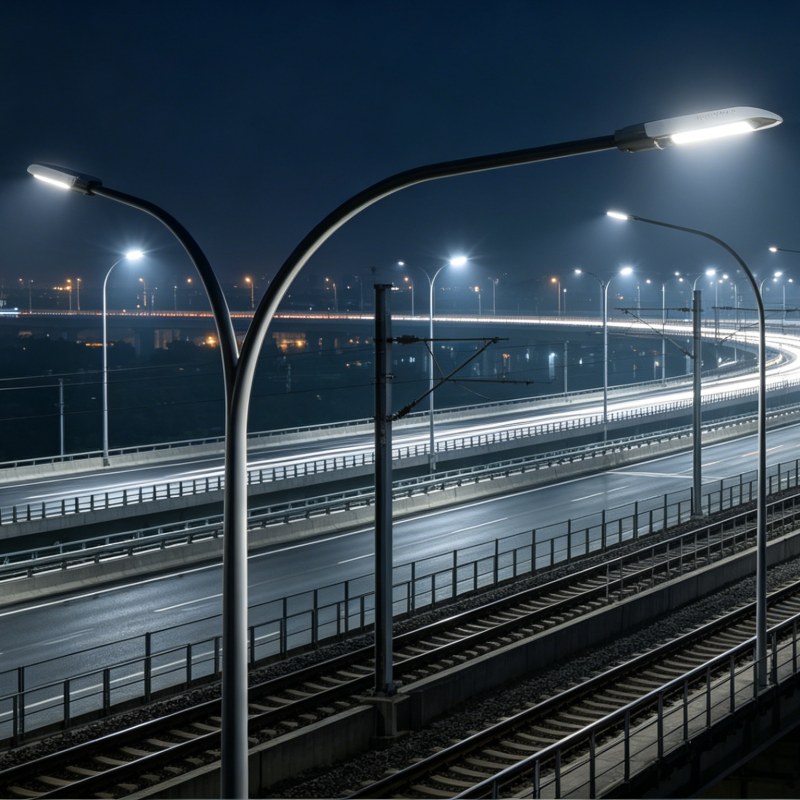
Selecting the right material for your light pole is crucial. It affects safety, cost, and the pole’s lifespan. Each material has its own advantages, and some are better suited for specific locations. The table below lists the best use cases for each material:
| Material | Best Use Scenario |
|---|---|
| Steel | High-voltage lines, tall poles, commercial and industrial projects, custom designs |
| Aluminum | Urban areas, coastal cities, places needing lightweight and corrosion-resistant poles |
| Composite | Harsh weather, areas with high electrical activity, places needing non-conductive and durable poles |
| Wood | Parks, rural roads, classic or natural settings, low-height installations |
Pros, Cons, and Best-Use Scenarios
- Steel Light Poles
- Pros:
- Strongest for heavy loads and tall poles
- Good price for big projects
- Easy to change for special needs
- Handles strong winds and hits
- Can be recycled and is good for the planet
- Cons:
- Needs care to stop rust and must be checked often
- Best Use:
- Factories, highways, stadiums, and places needing custom designs
- Projects needing strong poles for heavy things
- Cities where safety and lasting poles matter most
- Pros:
- Aluminum Light Poles
- Pros:
- Light and easy to put up
- Stops rust well
- Needs little care
- Lasts a long time, up to 50 years
- Cons:
- Costs more at first
- Not as strong as steel for big poles
- Best Use:
- Coastal cities, wet places, and city streets
- Jobs where fast setup and easy moving are important
- Pros:
- Composite (Fiberglass) Light Poles
- Pros:
- Very tough and stands up to bad weather
- Safe for electric use, does not conduct electricity
- Needs almost no care
- Lasts up to 70 years
- Cons:
- Costs more
- Not used as much in some places
- Best Use:
- Places with harsh weather or lots of electricity
- Jobs needing safe poles near power lines
- Pros:
- Wooden Light Poles
- Pros:
- Looks natural, fits parks and country areas
- Costs less at first
- Easy to shape and put up
- Cons:
- Needs care to stop rot and bugs
- Not good for tall or heavy jobs
- Best Use:
- Parks, trails, and places where looks matter
- Short poles like backyard sports lights
- Pros:
Key Factors to Consider
When picking a material, owners and engineers should check these things:
- How much weight the pole must hold
- If it can handle storms, wind, and wet weather
- How long it will last
- How much care and money it needs
- How to put it up and where the job is
Why Steel Stands Out in Projects
Steel light poles are sturdy, durable, affordable, and easy to replace. Companies like Morelux employ ingenious methods to manufacture steel light poles that meet stringent standards. They work with builders and owners to customize poles to the specific needs of each project. The height, shape, and appearance of the poles are all tailored to the actual requirements. This ensures that each pole is safe, reliable, durable, and aesthetically pleasing.
When to Choose Other Materials
Some projects require specialized light poles. Aluminum and composite material light poles are better suited for areas prone to rust, such as coastal regions. Aluminum light poles have a lifespan of over 50 years and do not rust, making them ideal for coastal areas. Composite material light poles are suitable for high-power-density locations. Wooden light poles are best suited for locations such as parks or rural areas where aesthetics are more important than strength.
Steel is the best pick for tough or special light pole jobs. What you need depends on money, looks, and weather. If you work with a company like Morelux, you get some good things:
| Benefit | Description |
|---|---|
| Superior Material Quality | Poles can last 30 to 50 years with little care. |
| Cost Savings | You can save up to 60% on care over 20 years. |
People should look at all choices, check how much wind the pole can take, and think about how to put it up before picking one.
FAQ
What is the strongest material for light poles?
Structural steel is the strongest material. Its high tensile and yield strength make it the only viable option for high-mast lighting, stadiums, and large traffic signal integration projects.
How long is the lifespan of steel light poles?
If hot-dip galvanized according to international standards, steel light poles can typically last 30 to 50 years or more. In harsh environments, applying a powder coating (a double-coating system) can further extend their lifespan.
Can light poles be customized for specific projects?
Both steel and aluminum light poles are highly customizable. Modern infrastructure standards typically require pre-installed wiring channels within the poles, and custom heights and reinforced supports are available to accommodate smart LED lights, surveillance cameras, and 5G small cell base stations.