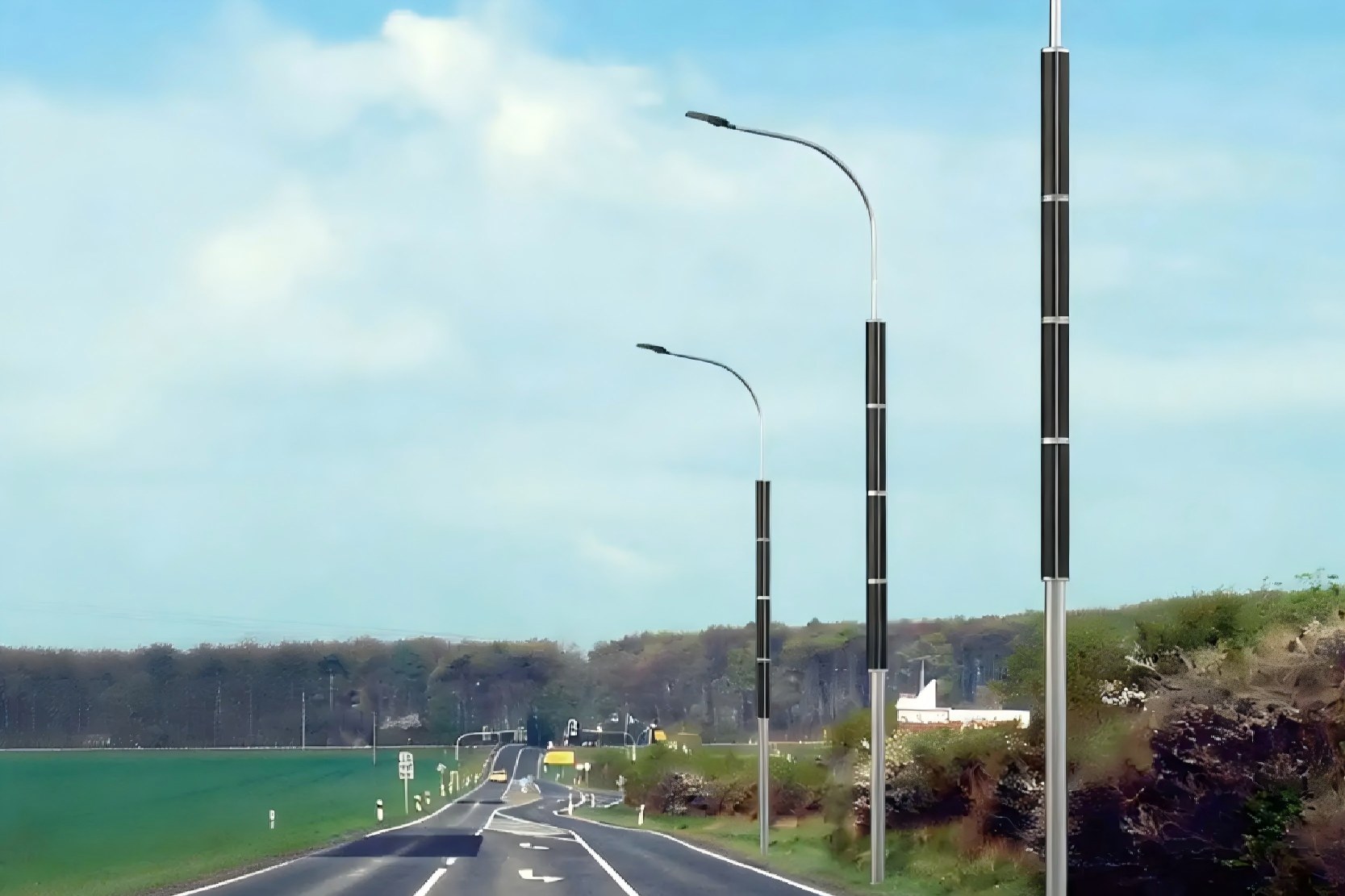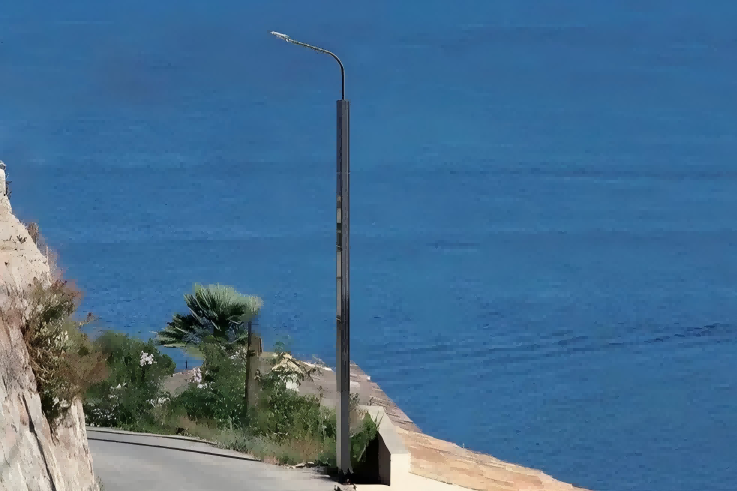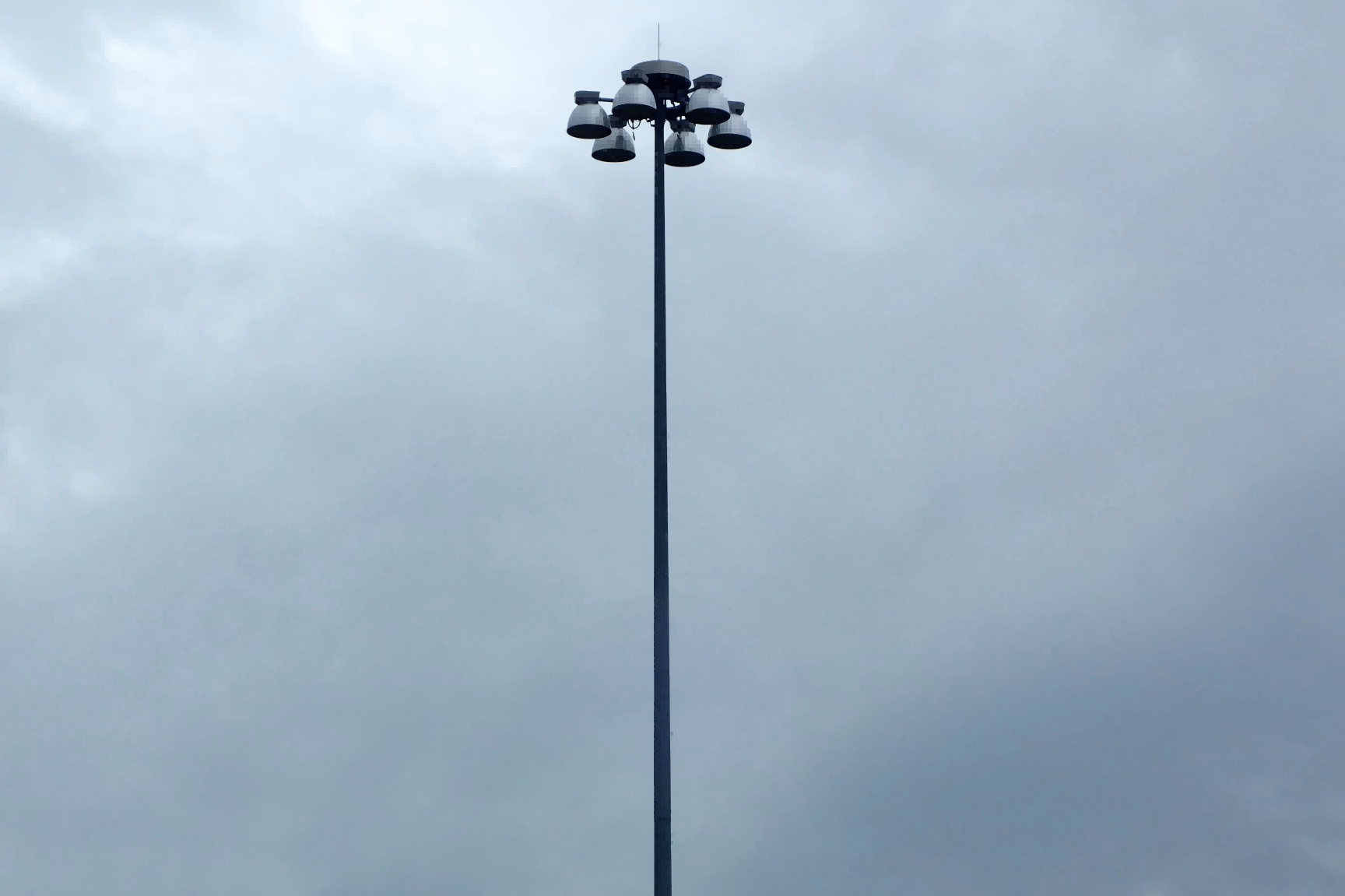
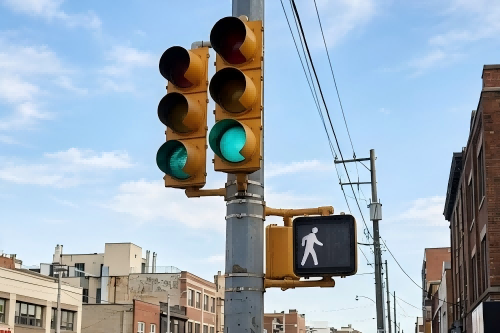
The usual size of a traffic signal pole is between 4 and 12 inches in diameter. The size depends on how tall the pole is, what it’s used for, and local rules. High-performance steel poles must adhere to rigorous structural engineering standards. Professional traffic infrastructure manufacturers, such as Morelux Pole, provide customized diameter and wall thickness solutions tailored to specific traffic engineering requirements and bulk orders, ensuring the ultimate structural safety of overhead equipment.
Key Takeaways
- Traffic signal poles are usually 4 to 12 inches wide. Picking the right size helps keep traffic lights safe and steady.
- Each pole size has its own use: short poles (4-6 inches) are for places where people walk, medium poles (6-8 inches) are for normal streets, and tall poles (8-12 inches) are for busy crossroads.
- Qualified manufacturers strictly implement international and regional structural load standards, such as AASHTO or EN 12899. When selecting pole specifications, engineering teams must prioritize local Department of Transportation (DOT) or highway authority guidelines regarding specific wind loads and compliance requirements.
What is a traffic signal pole?
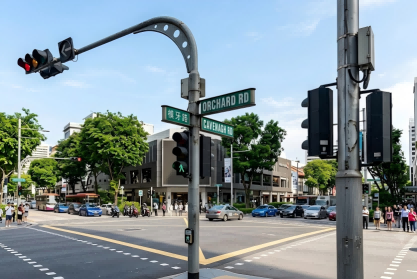
Traffic signal poles are used to support traffic lights at intersections and on roads. These poles come in different sizes depending on their height and purpose. Short poles, with a diameter of 4 to 6 inches, are suitable for pedestrian crossings or areas with low traffic volume. Medium-sized poles, with a diameter of 6 to 8 inches, are used on busy streets and for regular traffic lights. Tall poles, with a diameter of 8 to 12 inches, can accommodate more lights or larger traffic lights.
High-quality traffic signal poles are meticulously designed to meet stringent structural safety standards, such as AASHTO’s “Standard Specifications for Support Structures of Road Signs, Lighting Fixtures and Traffic Signals” or the European standard EN 12899. These standards set specific requirements for the yield strength, wind resistance, and corrosion resistance of steel (e.g., ISO 1461 hot-dip galvanizing standard) to ensure the poles can withstand harsh weather conditions and have a long service life.
Traffic light poles typically use iron pipes with a diameter of approximately 114 millimeters, or about 4.5 inches. This size of pipe is sturdy, durable, and easy to install. The table below lists pipe sizes for different applications:
| Specification | Details |
|---|---|
| Pipe Type | Cylindrical Iron Pipe |
| Outer Diameter | 114 mm |
| Thickness | 3.5 – 4 mm |
| Protection | Galvanized |
| Typical Height | 4 meters |
Many suppliers and factories prefer these steel poles. They have a long service life and meet strict regulations. When selecting a light pole, the size of the traffic light and traffic planning should be considered.
Manufacturers like Morelux can manufacture utility poles for special projects. These poles are used for urban traffic or factories. Good steel poles ensure road safety and a long service life. Their designs fit many traffic light sizes and heights. This allows them to meet different traffic flow requirements.
Understanding common pole sizes and regulations helps engineers select the right poles. Choosing the right poles ensures that traffic lights are safe and easily visible. This contributes to safer roads and smoother traffic.
Traffic signal poles help support traffic lights on roads and at intersections. The diameter of the pole varies depending on the height and size of the traffic light and the level of traffic congestion in the area. Factories and suppliers use strict regulations to ensure that each pole is safe and functions well.
Diameter Ranges for Traffic Signal Poles
Different projects need poles with certain diameters. The diameter tells us how much weight the pole can hold. It also shows how steady the pole is in strong wind or heavy traffic. Here are some common sizes:
- Short poles are 4 to 6 inches wide. These are good for crosswalks or places with less traffic.
- Medium poles are 6 to 8 inches wide. These work for normal streets with regular traffic.
- Tall poles are 8 to 12 inches wide. These can hold bigger lights and handle more cars.
The diameter should fit the size of the traffic light and how busy the road is. For example, a pole that is 114 mm wide (about 4.5 inches) is used for smaller lights. This size is easy to put in and works for many city projects.
International Standards and Manufacturing
Steel poles from Morelux follow rules like BS EN, AASHTO, and AS/NZS. These rules help the factory make strong poles that last a long time. The factory uses special machines to cut, bend, and weld the poles. The supplier checks the size and shape to make sure they meet the rules.
Note: Morelux uses an Inspection and Test Plan (ITP) to check the poles. The ITP has steps where workers stop and look at the pole. They check the pole’s shape and size to make sure it is within 2mm to 3mm of the right size.
Steel poles must pass tests to check the welds. Ultrasonic Testing (UT) or Magnetic Particle Inspection (MPI) checks if the welds are strong. For big projects, outside companies like SGS or Bureau Veritas check the poles too. They watch as the factory tests the metal, checks the coating, and does the final strength test.
- Exporters give Mill Test Certificates (MTCs) to show what the metal is made of.
- Reports and welding plans show the poles meet the rules.
Common Pipe Sizes and Applications
Cylindrical iron pipes with a 114 mm outer diameter are often used for traffic signal poles. This size works for areas with light or medium traffic. The pipe is 3.5 to 4 mm thick, which helps it stay strong in bad weather and busy traffic.
| Pole Type | Diameter Range | Typical Application |
|---|---|---|
| Short Pole | 4-6 inches | Pedestrian crossings, light traffic |
| Medium Pole | 6-8 inches | Regular intersections, moderate traffic |
| Tall Pole | 8-12 inches | Large intersections, heavy traffic |
The diameter should also fit the lens and the size of the traffic light. Engineers pick the right pole by looking at the light’s size and how busy the road is. Factories can make special poles for different projects and change the diameter if needed.
Manufacturing and Quality Control
The factory uses careful steps to make sure each pole is good. The supplier checks the size, welds, and outside finish. The factory can make custom poles for big orders, so buyers can pick the size and finish they want.
- The engineering team draws up plans and checks the pole’s strength.
- The factory uses powder coating to stop rust and damage.
- The supplier can make special poles for different traffic light sizes.
Traffic signal poles must hold up the lights and stay steady when traffic is heavy. The diameter is very important for this. Picking the right diameter makes sure the pole can hold the lights and handle busy roads.
Factors Affecting Traffic Signal Pole Diameter
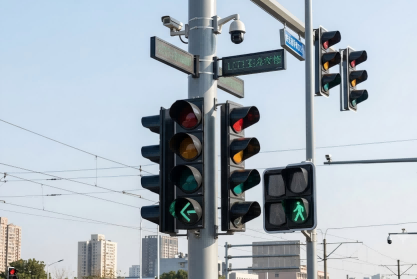
Regional and Regulatory Standards
Local regulations are crucial when choosing the appropriate light pole diameter. Each city or country has its own traffic light regulations. These regulations help ensure the safety and visibility of traffic lights. For example, North America uses different light pole heights depending on the type of road. Shorter light poles are used on smaller roads. Slightly taller light poles are used on medium-sized roads. Highways require the tallest light poles. The table below lists commonly used light pole heights:
| Road Type | Height Range (meters) |
|---|---|
| Small roads | 3 to 6 |
| Medium roads | 6 to 12 |
| Highways | 12 to 18 |
Local rules also say how tall poles must be. This helps stop glare and makes sure lights shine down. These rules help drivers see the signals better. Factories and suppliers must follow these rules when making poles. Morelux makes poles that meet international rules like BS EN, AASHTO, and AS/NZS. This gives buyers trust in their orders.
Application and Load-Bearing Requirements
The purpose and load on a pole will affect its diameter. Heavy traffic lights, large lenses, and additional equipment such as cameras add weight. The pole must be able to withstand all this weight without bending or breaking. Wind force is also a significant factor. High poles and large lights are more susceptible to wind damage and therefore require thicker poles.
Traffic light poles must be able to withstand wind speeds exceeding 140 mph (approximately 225 km/h). This is especially important for poles with long booms or heavy lights.
Companies like Morelux allow buyers to choose wall thickness, steel grade, and rust treatment. Buyers can select the appropriate diameter and finish based on project requirements. Suppliers and factories assist engineers in selecting the best pole for each location. This ensures the pole is safe, robust, and has a positive impact on traffic. In this way, every pole contributes to road safety and complies with all traffic regulations.
Traffic light poles typically range in diameter from 4 to 12 inches. The appropriate diameter helps maintain the pole’s stability and safety. When choosing a pole, the size and height of the traffic light are also important. Traffic and safety regulations help factories and suppliers produce high-quality poles. If your project requires special dimensions, please consult the manufacturer.
FAQ
What is the standard diameter of traffic light poles?
Most manufacturers and suppliers produce poles with diameters ranging from 4 to 12 inches. The size depends on the pole’s height and the type of traffic light used.
Why is the diameter of traffic light poles so important for safety?
The appropriate diameter helps the pole support the traffic light and keep it stable in the wind. This ensures the safety of vehicles and pedestrians at busy intersections.
Can factories or suppliers customize traffic light poles for special projects?
Yes. Many factories and suppliers can customize traffic light poles. They can adjust the diameter and height to suit different traffic needs and the requirements of special traffic lights.