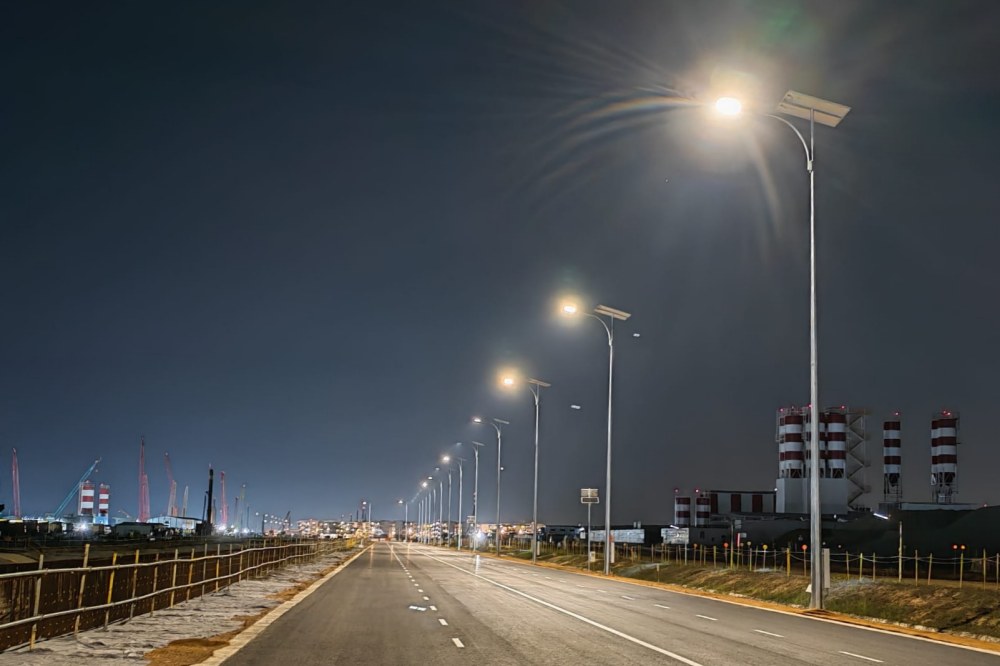

Grounding a metal light pole is essential for safeguarding lives and equipment. According to NEC Article 410.30(B), all metal light poles must be grounded and bonded to establish an effective ground-fault current path. While a dedicated grounding electrode (ground rod) at the pole base offers localized lightning dissipation, the NEC emphasizes that a ground rod alone cannot serve as the sole equipment grounding conductor (EGC). Industry-leading manufacturers like Morelux Pole engineer poles with integrated, certified grounding lugs to ensure full compliance with code requirements.
Key Takeaways
- Grounding a metal light pole stops electrical fires and keeps equipment safe. Always follow NEC rules to stay safe.
- Use good materials like copper-bonded steel ground rods for strong grounding. Check for rust often to keep connections strong.
- Connect all metal parts of the pole together to stay safe in storms. This helps fix problems and keeps people near the pole safe.
Getting Ready to Ground a Metal Light Pole
Materials and Tools
Selecting specification-grade materials ensures long-term system integrity and compliance with NEC Article 250.52. Morelux recommending heavy-duty, corrosion-resistant components for structural outdoor lighting installations:
- Copper-Bonded Steel Ground Rods: Must comply with UL 467, typically requiring a minimum diameter of 5/8″ and a length of 8 feet (NEC 250.52(A)(5)).
- Equipment Grounding Conductor (EGC): Copper or aluminum wire sized according to NEC Table 250.122 based on the overcurrent protective device rating.
- Grounding Clamps: Listed lugs or exothermic welds suitable for direct burial and outdoor environments (UL 467 approved).
- Testing Tools: A calibrated 3-pole Fall-of-Potential earth resistance tester or a stakeless clamp meter.
Getting the Site Ready
Getting the site ready means following NEC rules. This helps keep the installation safe. Here are the steps:
- Verify Jurisdictional Codes: Check local amendments alongside NEC Article 250 and NFPA 780 (for lightning protection systems).
- Soil Assessment: Evaluate soil resistivity; high-resistance soils (sandy or rocky) may require multiple electrodes or soil conditioning.
- Drive the Grounding Electrode: Install a 5/8″ x 8′ copper-bonded ground rod vertically into the earth. The top of the rod should be driven below the frost line or flush with grade per local design spec.
- Route the EGC and GEC: Run the Equipment Grounding Conductor (from the source panel) and the Grounding Electrode Conductor (from the rod) into the pole’s handhole base without sharp bends or kinks, preventing high-impedance points for surge currents.
Grounding and Bonding Steps
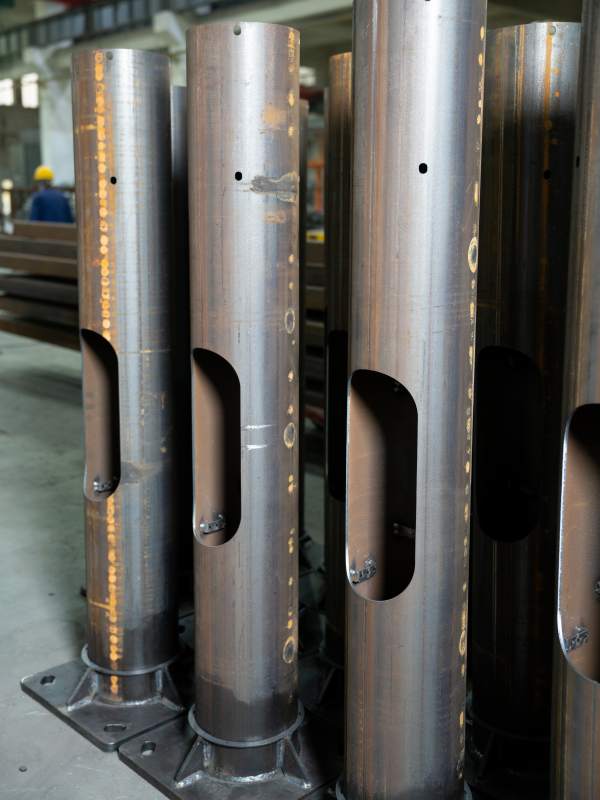
Equipment Grounding Conductor
The EGC is the most critical safety component. Per NEC 250.4(A)(5), it creates a permanent, low-impedance path back to the electrical source to safely trip the circuit breaker during a ground fault.
- Connect the incoming supply EGC directly to the pole’s internal grounding terminal lug.
- Never rely on the anchor bolts or concrete foundation alone to act as the grounding path.
Bonding Metal Light Pole
Bonding eliminates dangerous voltage differentials between separate metal parts during a lightning strike or fault condition.
- Structural Bonding: Mechanically connect the metal pole shaft, the base plate, the handhole cover, and the anchor bolts using approved copper jumpers.
- Ufer Ground Integration: If specified by local engineering codes, connect the pole’s grounding system to a concrete-encased electrode (NEC 250.52(A)(3)) inside the foundation for superior grounding performance.
Securing Connections
Strong connections make the grounding system work well. Use good clamps and connectors made for outside. Make sure all wires are tight so they do not come loose.
Tip: Look for rust where things connect. Water and dirt can cause rust, especially near the ground or on open threads. Rust makes the connection weak and can make the pole unsafe.
A supplier should suggest connectors that do not rust and last in tough weather. Checking and fixing the system often keeps it safe.
Safety Precautions
Following safety steps keeps workers and the public safe. The table below shows best ways to ground a metal light pole:
| Best Practice | Description |
|---|---|
| Choose the Right Size | Use rods at least eight feet long and 5/8 inches thick. |
| Proper Installation | Put rods straight down in the dirt and connect with wire. |
| Regular Inspection and Maintenance | Check rods every year for damage and keep the area clean. |
| Use High-Quality Materials | Pick galvanized rods with thick zinc layers. |
| Consider Lightning Protection | Add lightning protection if storms happen a lot. |
A manufacturer or supplier can give materials that meet these rules. Always follow local codes and NEC rules.
Common Mistakes
Mistakes during setup can be dangerous. Some common mistakes are:
- Not bonding all metal parts, which can make the pole unsafe.
- Using the wrong size conductor or bad connectors.
- Letting rust damage the connections.
- Not checking the system often.
Bad grounding can shock people or even kill them. For example, a loose connection once made a pole shock a child who touched it. In another case, animals died because the pole did not have a good ground. These stories show why good setup and care are important.
Testing Grounding
Testing makes sure the grounding system works right. There are a few ways to check grounding and bonding:
| Method | Description |
|---|---|
| Stakeless Testing | Checks only the earth electrode you want to test. |
| Soil Resistivity Testing | Uses four stakes to check how well the soil resists electricity, which helps design the system. |
| Fall-of-Potential Testing | Uses two stakes and the electrode to check the setup and for maintenance. |
Verification through professional field testing is required to validate the safety of the installation:
- The 25-Ohm Rule: Per NEC 250.53(A)(2) Exception, if a single rod, pipe, or plate electrode does not have a resistance to ground of 25 ohms or less, it must be augmented by one additional grounding electrode spaced at least 6 feet apart.
- IEEE Standard 142: For sensitive electronic control units or LED drivers mounted on the pole, IEEE guidelines recommend aiming for a stricter system resistance of 5 ohms or less.
Grounding a metal light pole means connecting all metal parts. You need to use the right jumpers and link them to the service equipment. This makes a path with low resistance for lightning. It helps keep people and equipment safe. Morelux Steel Poles gives custom help and engineering support. For hard projects, manufacturers say you should ask experts.
FAQ
How do manufacturers like Morelux ensure their steel poles meet grounding standards?
Morelux conducts specialized testing and adheres to the National Electrical Code (NEC). Their engineers inspect each custom-made steel pole to ensure proper connections and grounding before shipment.
Can suppliers provide pre-connected steel poles for wholesale projects?
Yes. Many suppliers sell pre-connected steel poles. This helps contractors complete the work faster and ensures the safety of each pole.
What is the recommended maintenance schedule for grounded metal light poles?
The manufacturer recommends inspecting the connections annually for rust. Regular inspections ensure the grounding system operates safely and reliably.