Although masts and poles are both vertical structural supports used in infrastructure and industrial systems, they differ significantly in structural design, engineering purpose, load capacity, and application scenarios. Masts are engineered for extreme height, wind resistance, and specialized equipment mounting for telecom, marine, and long-range lighting. Poles are standardized, general-purpose vertical supports built for municipal lighting, traffic, and utility installations under codes including EN 40 and AASHTO LTS-6.
Key Takeaways
- Masts are high-rise, structurally reinforced vertical structures designed for specialized high-altitude equipment such as antennas, marine rigging, and large-area high mast lighting, prioritizing extreme stability and wind resistance.
- Poles are standard, code-compliant vertical supports optimized for municipal environments, widely used for streetlights, traffic signals, and CCTV systems with fixed, moderate height and simple installation.
- Project selection depends on required height, wind load, equipment weight, and local engineering codes; masts serve specialized high-demand scenarios, while poles fit conventional urban infrastructure needs.
Difference between a mast and a pole
Mast definition and features
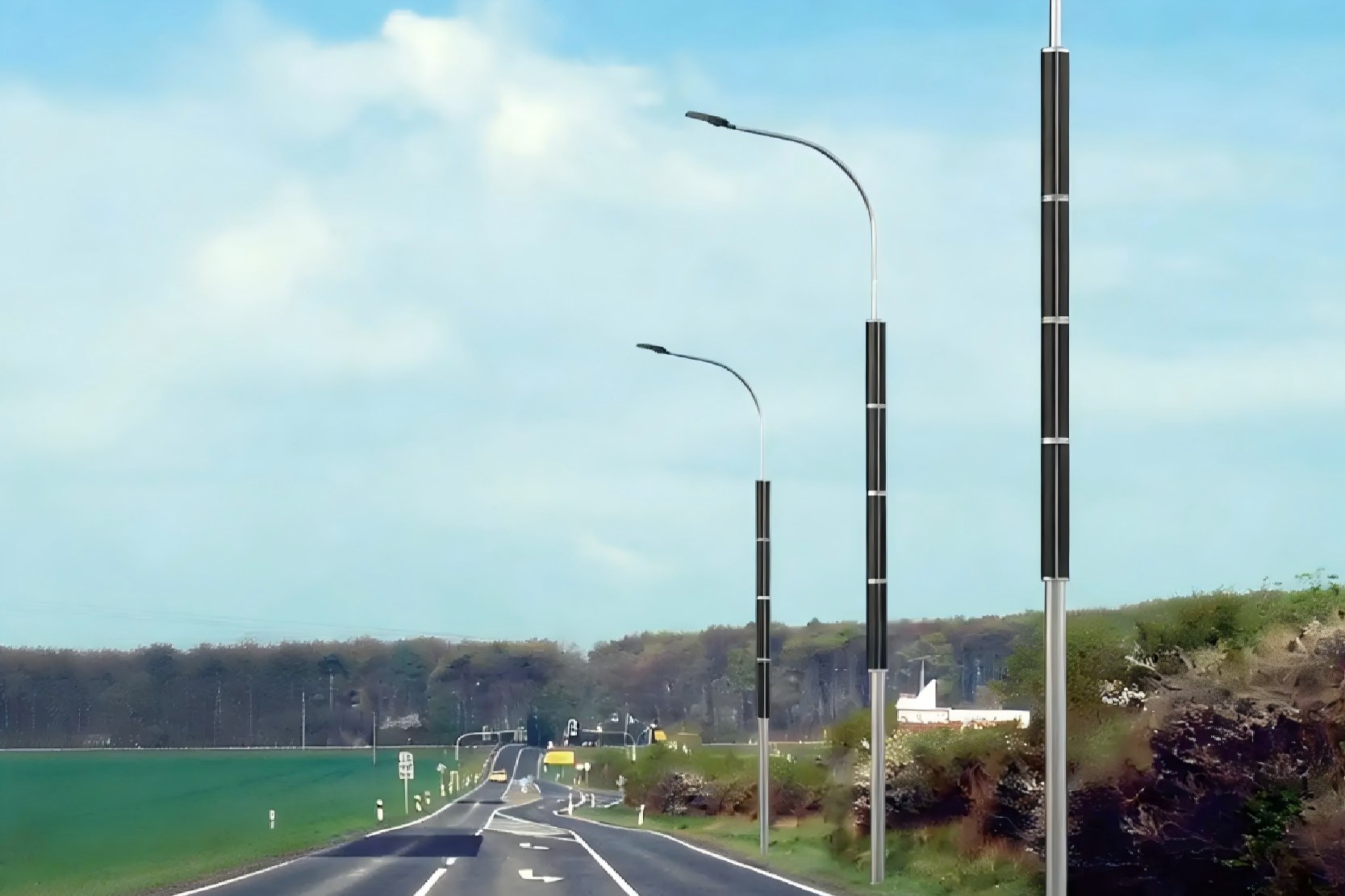
A mast is a high-capacity, tall vertical structure engineered for specialized industrial, marine, and telecommunication applications. Unlike general utility structures, masts prioritize structural rigidity, high wind-load tolerance, and precise equipment mounting to support elevated functional systems. Many telescopic masts feature adjustable height to adapt to signal transmission, navigation, and large-area lighting requirements.
Key features of a mast include:
- Engineered for elevated height to support long-range signal coverage and wide-area illumination
- Constructed with high-strength lightweight materials including aluminum alloy and fiberglass for high wind resistance
- Reinforced structural joints and customized brackets for heavy specialized equipment loads
- Requires professional wind load calculation and foundation design for long-term outdoor stability
A mast is made to be stable and last a long time. Engineers check wind speed and safety when they plan it. The mast must handle bad weather and stay upright. In ships and telecom, the mast is very important for communication and navigation.
Note: You can see the difference between a mast and a pole by looking at how a mast gives height and stability for special equipment.
Pole definition and features
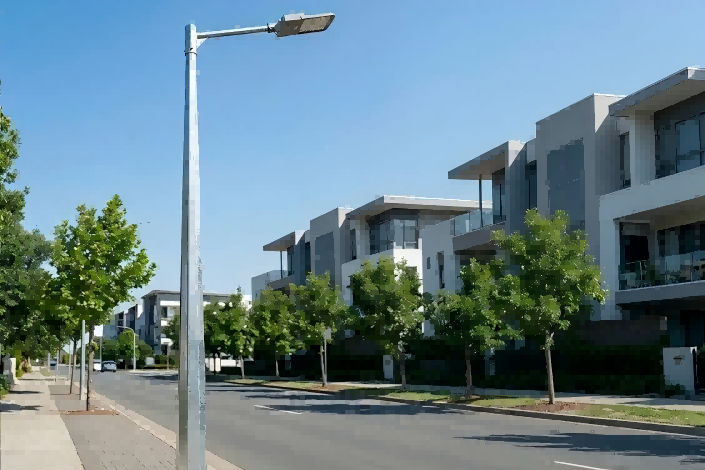
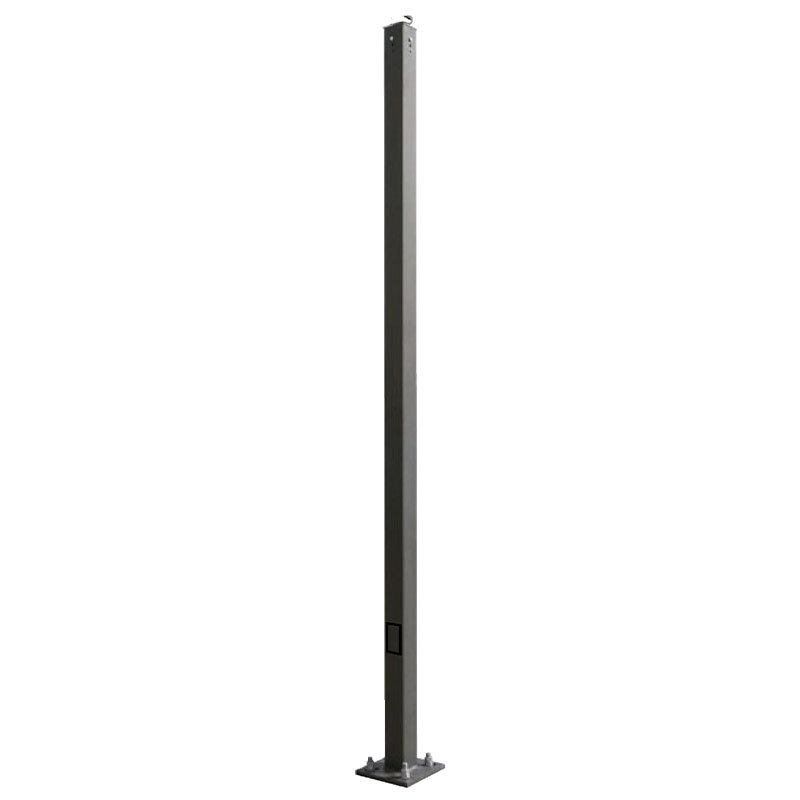
A pole refers to standardized, code-compliant vertical utility supports designed for conventional municipal and public infrastructure. Poles feature fixed heights, universal mounting structures, and simplified installation and maintenance, fully conforming to EN 40 (lighting pole standard) and AASHTO LTS-6 (roadside structural specification).
Key features of a pole include:
- Fixed, moderate height tailored for ground-level public lighting and traffic monitoring
- Available in multiple materials including steel, wood, concrete, and composite; structural steel poles provide 60+ years of service life under standard conditions
- Standardized base plate and anchor design for fast installation and routine maintenance
- Code-certified for urban roads, residential areas, and traffic intersections
Typical pole uses include street lighting, solar lamp posts, traffic signal supports, and urban CCTV mounting systems. Reliable code-compliant steel poles from manufacturers like Morelux deliver consistent structural performance for municipal and commercial infrastructure projects.
| Feature | Masts | Poles |
|---|---|---|
| Height | Can change height | Has a set height |
| Mobility | Light and easy to move | Strong, not as easy to move |
| Material | Aluminum, fiberglass, composites | Steel, concrete, wood, composites |
| Purpose | Holds antennas, sails, lights | Holds lights, signals, cameras |
| Context | Ships, telecom, sports | Streets, highways, public areas |
| Type of Pole | Lifespan | Key Characteristics |
|---|---|---|
| Wooden Poles | 25-50 years | Needs care to stop rot and animal damage. |
| Steel Poles | 60+ years | Strong, good for the environment, easy to install, comes in many sizes. |
| Concrete Poles | Long-lasting | Lasts long but costs more and is hard to move. |
| Fiber-reinforced Composite Poles | Long lifespan | Good for the environment but hard to fix if broken. |
Industry Applications: Masts vs Poles
Mast Applications
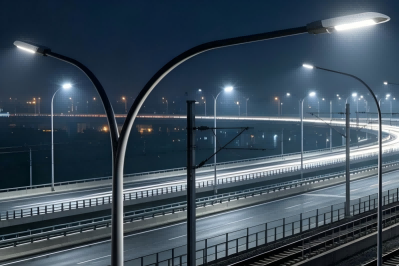
Masts are specified for projects requiring ultra-high elevation and wide coverage. High mast lighting masts are widely deployed at highway interchanges, port terminals, and airport open zones, delivering uniform large-area illumination with fewer installation points. In telecom and marine industries, masts provide stable elevation for signal transmission, navigation equipment, and maritime rigging, requiring strict wind-load structural compliance.
Pole Applications
Standard poles dominate conventional municipal infrastructure. Streetlight poles, traffic signal poles, and smart city sensor poles are designed for dense urban environments, balancing cost, aesthetics, and maintainability. With standardized EN 40 and AASHTO LTS-6 compliance, steel poles support long-term stable operation for public lighting and traffic monitoring systems.
How to Choose Between a Mast and a Pole
| Evaluation Factor | Mast / High Mast Lighting | Pole / Municipal Lighting Pole |
|---|---|---|
| Height & Coverage | Tall, wide-area coverage for large open spaces | Medium fixed height for local road and park coverage |
| Environment Adaptability | Custom wind-resistant design for coastal, high-wind zones | Standard weather resistance for conventional urban environments |
| Maintenance Requirement | Professional maintenance with lifting and safety systems | Simple routine inspection and component replacement |
| Project Cost | Higher upfront investment, lower long-term quantity cost | Low unit cost, flexible for dense layout |
The fundamental difference between masts and poles lies in engineering positioning and application scenarios. Masts are high-performance, height-adjustable structural supports built for specialized telecom, marine, and large-area lighting projects, prioritizing extreme stability and wind resistance. Poles are standardized, cost-effective municipal supports designed for daily urban lighting, traffic, and utility systems. Selecting the correct structure based on project scale, environmental conditions, and code requirements ensures structural safety, operational efficiency, and long-term service life.
FAQ
What is the main difference between a mast and a pole?
Masts are specialized high-rise structures for high-altitude equipment and wide-area coverage, while poles are standard fixed-height utility supports for municipal lighting and traffic infrastructure.
Can a mast be used as a standard light pole?
A mast can functionally support lighting equipment but is over-engineered for conventional urban scenarios. Standard poles remain the optimal choice for general municipal projects due to cost and installation efficiency.
What standards apply to street and traffic poles?
Conventional lighting poles comply with EN 40 European structural standards and AASHTO LTS-6 roadside facility specifications to ensure public safety and structural durability.