Selecting proper light pole height is fundamental to comply with EN 13201 (European) and IES RP-8 (North American) roadway lighting standards. Correct height improves road safety, controls glare and ensures regulatory compliance. As a professional steel pole manufacturer, Morelux provides customizable pole height solutions matched to project scenarios, achieving uniform light distribution and long-term structural stability.
| Environment | Standard Height Range |
|---|---|
| Residential | 15 to 20 feet |
| Commercial | Varies (shorter for walkways, taller for parking lots) |
| Highways | 25 to 40 feet (some up to 50 feet) |
Key Takeaways
- Follow standard height ranges defined by EN 13201 and IES RP-8 for each application. Residential areas typically adopt 10–20 feet poles to ensure pedestrian safety and visual comfort.
- Always align pole height with local municipal codes and national lighting specifications, especially for commercial zones and highway projects.
- Match pole spacing to mounting height (standard ratio 3.5–4.5:1) for even illumination, eliminating dark zones and improving traffic visibility.
Light Pole Height by Application
Residential & Pathways
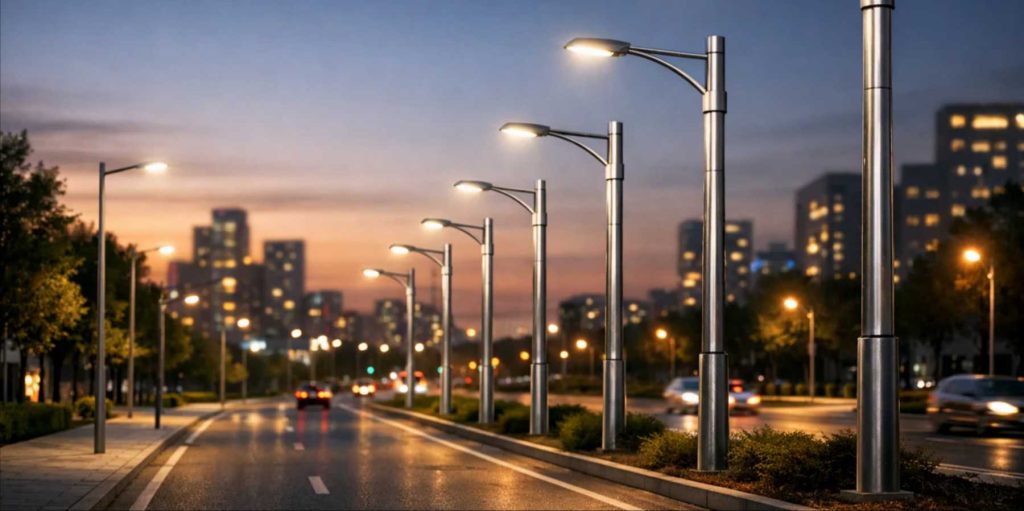
Residential streets, pedestrian pathways, and coastal boardwalks typically utilize a mounting height range of 10 to 15 feet (3.0 to 4.5 meters). According to IES RP-8-18 (Practice for Design and Maintenance of Roadway and Parking Facility Lighting), keeping decorative or pedestrian-scale poles within this threshold maximizes vertical illuminance for pedestrian safety while strictly controlling light trespass into adjacent residential windows.
Proper pole spacing following the height-to-spacing ratio avoids dark patches and enhances safety for drivers and pedestrians. Reasonable height configuration also reduces energy consumption and optimizes layout density.
Urban Streets & Small Lots
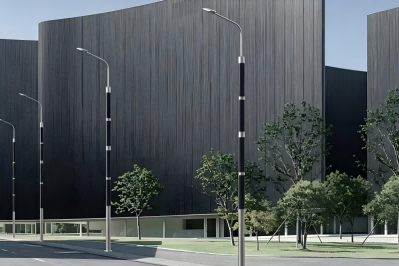
Urban arterial roads and small parking lots select pole height based on road width and EN 13201 lighting class requirements. Standard urban pole height ranges 15–30 feet (4.5–9 m). A minimum 15 ft mounting height effectively reduces glare for drivers and pedestrians; wider roadways adopt 25–30 ft poles for wider coverage.
- Standard urban street pole height: 25–30 ft
- Small community parking lot: up to 20 ft
Urban pole spacing complies with local municipal codes and IES RP-8 layout standards to avoid dark zones and ensure public safety. Reasonable height and spacing provide uniform illumination for sidewalks, bike lanes and crosswalks, while supporting clear monitoring vision for security cameras.
Commercial & Parking Lots
For commercial spaces and automotive parking lots, the industry standard height ranges from 20 to 30 feet. According to ANSI/IES RP-8-18 guidelines for parking facilities, a mounting height of 25 feet is the ‘sweet spot’ for medium-to-large retail lots. It allows for an optimal pole spacing ratio of approximately 3.5 to 4 times the mounting height (85–100 feet apart), balancing uniform light distribution with a lower total pole count, which minimizes vehicle collision risks and installation costs.
Proper medium-height poles reduce glare and shadow overlap, improving driving visibility and security monitoring coverage. Standardized height and spacing maintain even illumination across the whole lot, reducing trip hazards and traffic risks. Unified specifications also cut later maintenance and replacement costs.
- Taller poles expand single lamp coverage and reduce total pole quantity
- Uniform illumination eliminates blind spots
- Standard layout enhances site security and lifecycle cost efficiency
Highways & Interstates
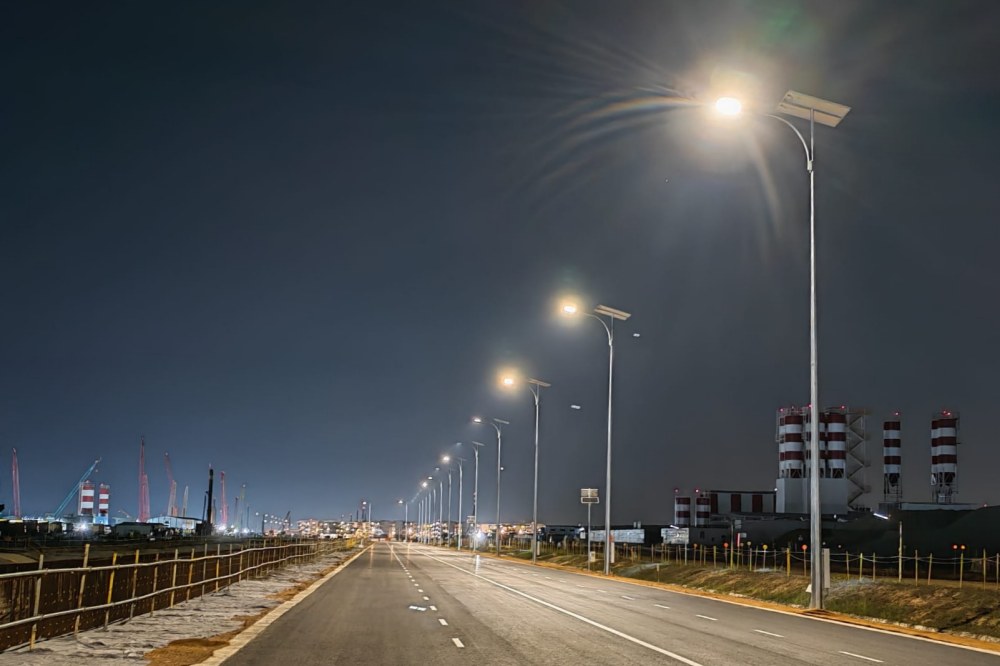
Highway and interstate poles follow strict EN 13201 & IES RP-8 design requirements. The engineered standard height is 10–12 m (33–40 ft), with a maximum limit of 50 ft for special wide lanes. Standard pole spacing follows 3.5–4.5 times mounting height.
| Specification | Value |
|---|---|
| Recommended Height | 10 – 12 m |
| LED Wattage | 200 – 300 W |
| Typical Spacing | 30 – 34 m |
Poles within this standard range provide wide, uniform road illumination, improving long-distance visibility for traffic signs and vehicles. Standard height and spacing suppress glare effectively and reduce night traffic accident rates. Relevant traffic safety studies verify that standardized lighting height and layout significantly upgrade driving safety.
Note: Highway pole height and spacing must strictly follow national road lighting codes and EN/IES standard parameters.
Factors Affecting Light Pole Height
Road Type and Traffic
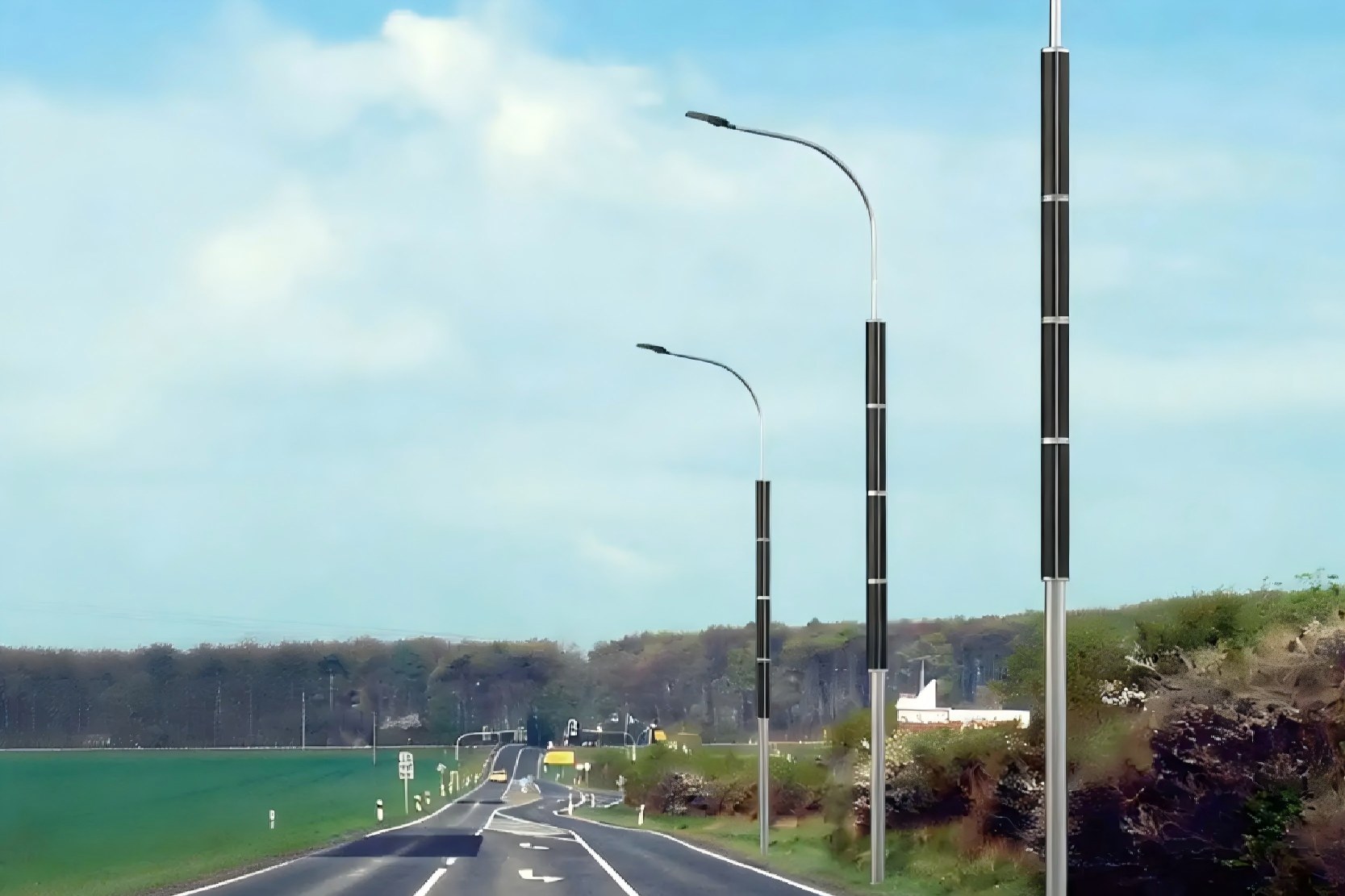
Road classification and traffic speed are core design factors aligned with EN 13201 lighting classes. High-speed highways adopt engineered height of 10–12 m for wide coverage and layout economy. Residential and rural low-speed roads use 3–6 m poles to focus ground illumination and protect pedestrian and bicycle safety. A basic design principle: pole height matches or slightly fits road width proportion.
- General street lamp standard height range: 4.5–15 m
- Wider traffic lanes require correspondingly taller poles to maintain illumination uniformity.
Lighting Requirements
Illumination targets directly determine pole height selection per IES and EN standards. Residential landscapes adopt 10–15 ft poles for visual comfort. Commercial zones use 20–30 ft poles for large-area coverage. Sports fields and highways apply 30 ft+ high-mast poles for full-site uniform lighting. Modern LED optics support reasonable taller mounting height with less light decay. Parking lots follow 15–30 ft standard range to meet safety and code requirements.
Safety and Regulations
All pole height designs must comply with local municipal codes, EN 13201 and IES RP-8. General specification: residential poles under 20 ft, commercial poles up to 30 ft, highway high-mast poles max 50 ft (abandon unreasonable 40–100 ft exaggerated range). Industry codes also regulate pole spacing and structural wind load resistance. Tall poles usually require professional wind load calculation and engineering drawings for approval.
Environmental Considerations
Local environmental conditions including wind zone, coastal corrosion and extreme weather directly determine pole height, wall thickness and foundation design. High-wind areas require reinforced structure and deepened foundation; coastal projects prioritize anti-corrosion materials and controlled height to reduce wind vibration. Local urban planning codes also restrict maximum pole height to avoid light pollution and maintain landscape harmony.
| Evidence Source | Description |
|---|---|
| EPA Wind Rating Map | Shows how wind ratings change pole choice and safety. |
| Light Pole Vibration Causes | Tells why tall poles need stronger designs. |
Choosing the Right Height for Your Project
Assessing Project Needs
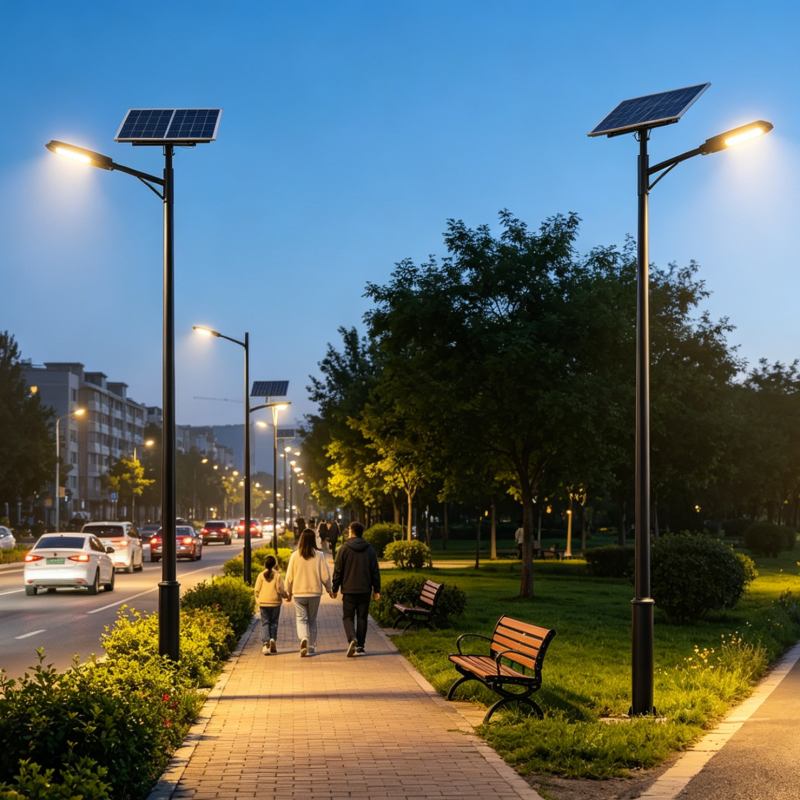
Picking the right pole height starts with knowing what your project needs. Every place is different and has its own needs. The kind of traffic and how many cars or people are there matter a lot. Busy roads with lots of fast cars need taller poles to spread light better. Quiet home streets or paths do well with shorter poles that make things feel safe and cozy.
What you want from the project also matters. Some projects care most about safety. Others want the area to look nice or have special lighting effects. You need to think about how high the pole will be, what kind of fixture you use, and how much wind the pole must handle. The material you pick should not rust and should last a long time. The way you put the pole in the ground, like direct burial or anchor base, helps keep it steady. You must always follow local rules and what the utility company says.
| Key Considerations for Light Pole Selection | Description |
|---|---|
| Mounting height | Based on target illumination levels and fixture optics |
| Fixture type and EPA | LED parking lot lights are common for these applications |
| Wind load requirements | Determined by pole height and local wind zone |
| Material selection | Important for corrosion resistance and lifecycle cost |
| Foundation type | Direct burial or anchor base options |
| Local code and utility requirements | Must be followed for compliance |
How tall the pole is changes how the light spreads. Taller poles shine light over a bigger area and help stop shadows and bright spots. Shorter poles light up smaller spaces. Designers need to figure out the best pole height and the angle of the fixture to get the best lighting.
Here is a simple guide for picking pole heights:
- 10 to 15-foot poles work for homes, small parking lots, paths, or for looks.
- 20 to 25-foot poles are good for city streets, neighborhoods, and places that need medium light.
- 30 to 35-foot poles fit big parking lots, stores, and sports fields.
- 40 to 45-foot poles are for highways and big roads that need lots of light.
- 50 to 55-foot poles are used in big factories and airports.
- 60 to 65-foot poles are for stadiums and very large outdoor spaces.
- 70 to 75-foot poles are for special jobs like airport runways and big highways.
Consulting Codes and Standards
Every project must follow the rules set by local, state, and national codes. Local laws often say how tall poles can be, especially in neighborhoods or old parts of town. Many cities let home poles be up to 20 feet and store poles up to 30 feet. State or federal groups set rules for highways, like how high the pole must be and how far it should be from the road.
Follow these steps to make sure you follow the rules:
- Pole height changes how far the light goes.
- Small areas usually use poles about 20 feet tall, but highways may need 30 to 50 feet.
- The kind of fixture you use also changes how tall the pole should be for good lighting.
Rules can be different in other places or countries. Home areas usually use shorter poles to keep things safe and comfortable. Highways need taller poles to light up big spaces. Checking these rules makes sure your project is safe and works well.
Practical Examples
Different jobs need different pole heights. The table below shows some common examples:
| Project Type | Height Range (feet) | Description |
|---|---|---|
| Small Retail Lots | 12 to 15 | Good for places where people walk, with less glare and more control. |
| Medium Commercial Properties | 20 to 25 | Used for shopping centers and schools, giving enough light and good spacing. |
| Large Industrial Areas | 25 to 40 | Needed for big places like stadiums and warehouses, where taller poles give better light. |
Morelux’s team uses specialized computer tools such as CAD and FEA to check the strength of their light poles. They refer to the U.S. Environmental Protection Agency’s (EPA) wind load ratings to determine the maximum wind speeds the poles can withstand and select appropriate materials and wall thicknesses based on local conditions. This ensures that each light pole is safe, reliable, and functions well.
Checking the structure and wind load of the light poles is crucial. Wind load calculations are based on local weather conditions and standards such as ASCE 7. The height and spacing of the poles affect their required strength. The EPA wind load ratings show the maximum wind speeds the poles can withstand, which helps in selecting appropriate poles and foundations.
Taller light poles help diffuse light better, thus improving safety on roads and in public places.
FAQ
What is the standard height for commercial lighting poles?
Most commercial lighting poles are between 20 and 35 feet high. This height helps keep parking lots, shops, and commercial areas bright and safe.
Why consider wind load when choosing a light pole?
Wind load is crucial for maintaining the stability of a light pole. Engineers will check the pole’s wind resistance rating to ensure it remains stable during storms and meets local safety regulations.
Can Morelux customize steel light poles to meet specific project requirements?
Morelux can customize steel light poles to meet your project requirements. Their team will adjust the pole height, finish, and installation method according to your needs and local regulations.