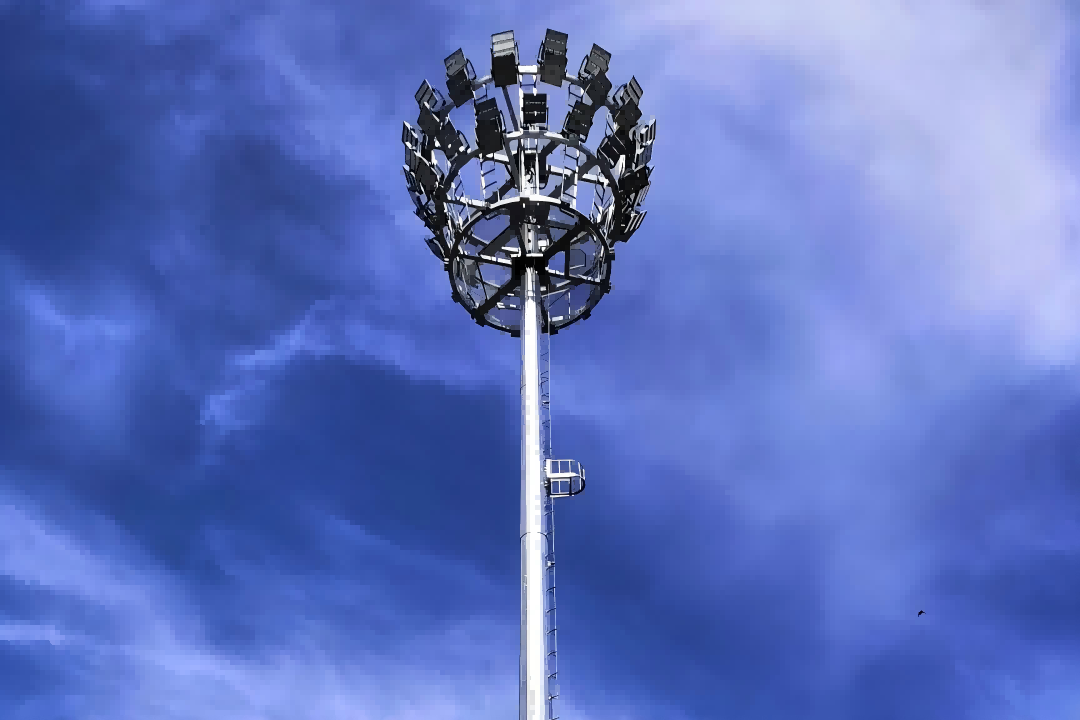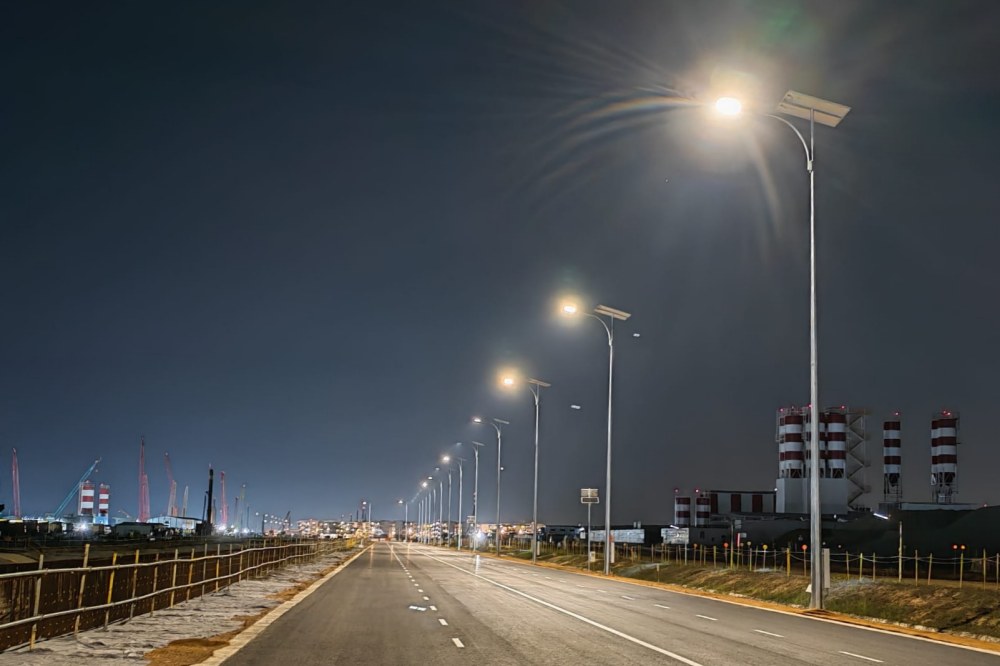
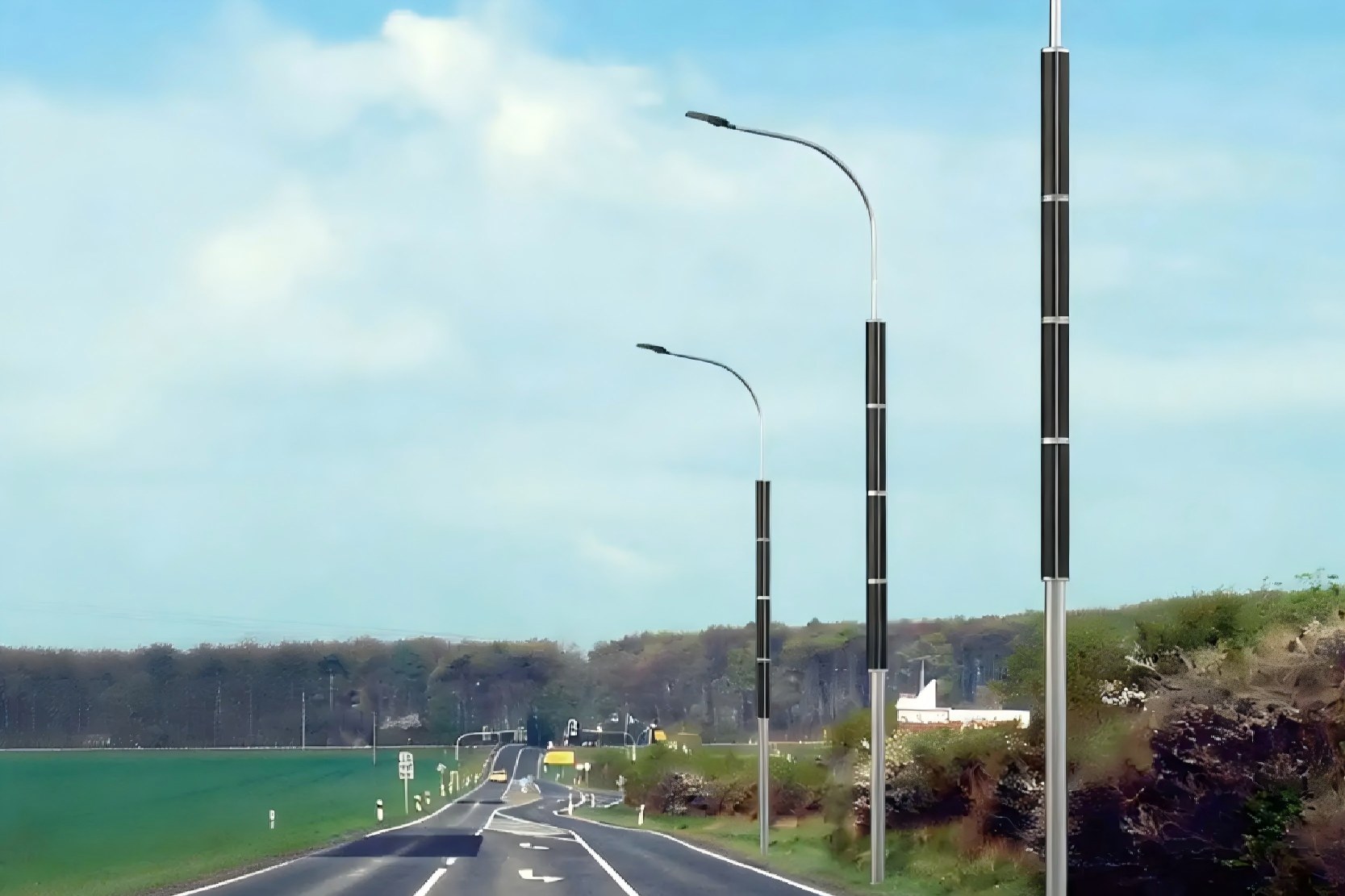
Every component of a light pole works together to sustain reliable performance and long-term durability under varying outdoor climate and load conditions. Street light poles are core infrastructure components for urban road and public lighting, requiring rigorous manufacturing processes to ensure structural stability, wind resistance, and long-term outdoor durability.
Key Takeaways
- A solid foundation is crucial for light poles. It ensures the pole remains stable and secure even in harsh weather conditions.
- Choosing the right lighting fixtures can save significant energy. LED lights consume less power and have a longer lifespan than traditional lights.
- Regularly inspecting components such as the base and anchor bolts can effectively prevent safety hazards and extend the lifespan of the light pole.
Foundation Parts of a Light Pole
A robust base is essential for every light pole. Base components ensure the pole is stable, secure, and can operate reliably for a long time. Manufacturers and suppliers place great importance on these components to ensure that each installation meets project requirements and can withstand various weather conditions.
Pole Shaft
The pole shaft is the main vertical part of the light pole. It holds the light and other parts. Steel pole shafts must handle wind, shaking, and hits from outside. In city areas, the design considers many things:
- Strength and flexibility of the material affect how well it works.
- Wind resistance is very important. Poles often stand up to winds of 90 miles per hour.
- The height is usually between 6 and 12 meters. Taller poles are easier to see but need bigger bases and deeper foundations.
- The shape and size, often round and tapered, get bigger with height to keep the pole strong.
Manufacturers like Morelux make sure each shaft meets strict rules for strength and durability. Regular checks help keep the pole safe and working well over time.
Base
The base connects the light pole to the foundation. It helps distribute weight and resist wind forces. A high-quality base keeps the light pole stable even in storms or strong winds. If the base is tilted or rusty, it may mean the foundation is shifting or there are other problems that could make the light pole unsafe.
Manufacturers use special processes to manufacture bases that meet international standards. High-quality components help prevent problems and extend the life of the light pole.
Light Arm
The light arm extends from the light pole and supports the luminaire. It adjusts the light to the appropriate angle and distance to provide good illumination. The light arm must be strong but not too heavy. It should be able to support the luminaire without bending or sagging.
Custom light arms are available for different types of lighting, such as streetlights, floodlights, or decorative lights. Suppliers select rust-resistant and wear-resistant materials to ensure the lifespan of the light arm.
Anchor Bolts
Anchor bolts secure the base and light pole to the concrete foundation. They must be able to withstand strong forces such as strong winds and vibrations. Industry regulations stipulate that anchor bolts should be made of galvanized steel. This material is very strong and rust-resistant. Zinc coating effectively prevents rust, which is especially important in outdoor environments.
Anchor bolts are available in various sizes and thread types to suit different project requirements. They must conform to standards such as ASTM F1554 to ensure the safety and proper functioning of the utility pole.
Manhole Covers
Manhole covers protect openings near the base of utility poles. They prevent theft of copper wires and other critical components and allow workers to safely inspect wiring and connections. Tamper-proof designs and other safety features help prevent vandalism.
Manufacturers use different materials to make these covers. The table below lists common materials and their required maintenance:
| Material | Type of Cover | Maintenance Needs |
|---|---|---|
| Steel | Steel | More prone to rust and corrosion |
| Aluminum | Aluminum | Costs less to maintain |
| Plastic | Plastic | Very little maintenance needed |
Strong materials last longer and are less likely to get damaged. Easy to install and compatible with many pole brands make these covers a good choice for workers and sellers.
Note: The foundation parts of light poles are made to last long and stay reliable. Custom options from top makers help meet the special needs of each project.
Electrical & Access Components
Manholes and Sheaths
Manholes and sheaths allow workers safe access to the interior of the light pole. These openings allow workers to access the wires and connectors during installation or maintenance. Robust sheaths protect the wires from weather and human damage. Manufacturers carefully craft these sheaths to ensure a good fit and rust resistance, extending their lifespan. Sheaths can be custom-made for each project to meet specific size and location requirements.
Internal Conduits and Wiring
Internal conduits and wiring deliver power from the bottom to the light fixture. Conduits protect wires from damage and keep wiring neat. The National Electrical Code (NEC) specifies wire dimensions, separation of power and data lines, and system grounding. These specifications help prevent electrical faults and ensure safety.
Grounding System
Grounding systems protect people and equipment from electrical faults. A grounding system connects the metal parts of the pole to the earth, diverting excess current away from the pole. The National Electrical Code (NEC) has important requirements for grounding:
| NEC Requirement | Description |
|---|---|
| Establishment of an effective ground-fault current path | Connects the grounding system to all metal parts that might become energized, enabling overcurrent protection devices to operate. |
| Bonding of conductive materials to the grounding system | Ensures that electrically conductive materials, like structural steel or metal piping, are bonded for safety. |
| Grounding of electrode conductors | Requires grounding electrode conductors to be connected at accessible points from the load end of service conductors, with specific rules for outdoor transformers and dual-fed services. |
Good grounding makes the light pole parts last longer and keeps everyone safe.
Tip: Always make sure all electrical and access parts follow the newest safety rules before you start putting in a light pole.
Fixtures & Mounting Attachments
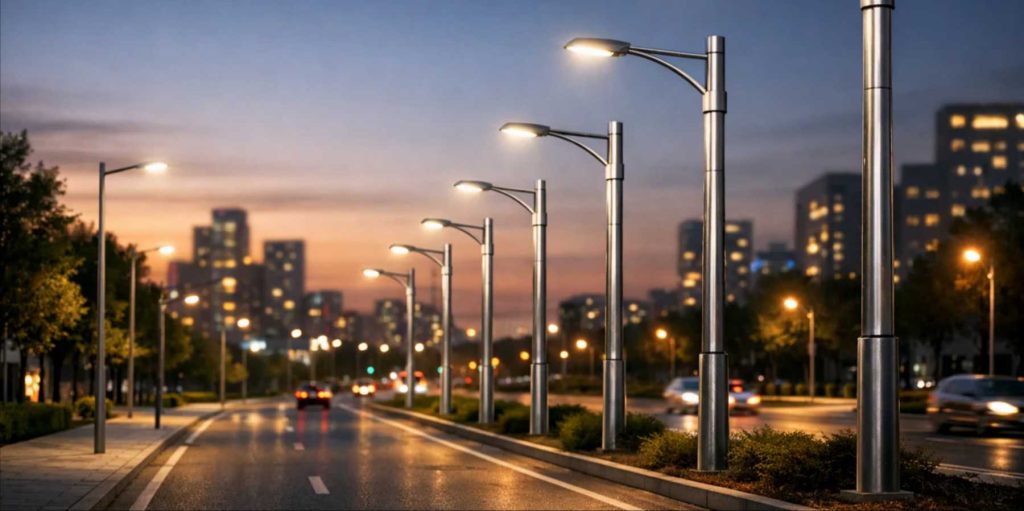
Luminaire (Light Head)
The luminaire is the main part that gives light on a light pole. The type of luminaire you pick changes how much energy you use and how the light spreads.
- LED fixtures shine light in one direction with exact beam angles, so less light is wasted.
- They use 50-80% less energy than HPS or metal halide lights.
- Smart controls let you set times and check energy use from far away, making the system work better.
- A 100W LED can take the place of a 200-250W HPS fixture. This saves energy and gives brighter light that lasts longer.
Tenons
Tons are the components installed at the top of the light pole. They allow the pole to accommodate most light fixtures and are typically 2-3/8 inches (approximately 6.4 cm) wide. The light fixture slides through the tenon and is secured with a set screw. Some tenons can accommodate horn brackets, allowing multiple light fixtures to be mounted on the same pole. This design helps suppliers and manufacturers offer a variety of options for different applications.
Brackets and Arms
Brackets and arms are used to secure light fixtures and adjust their angle. Several types of brackets are available to meet different lighting needs. The table below lists some common types:
| Bracket Type | Configuration | Description |
|---|---|---|
| 3 Light Crossarm | 3@180 degree Top | Holds three fixtures for wide lighting. |
| 4 Light Crossarm | 4@180 degree Top | Holds four fixtures for lots of light. |
| 2 Light Crossarm | 2@180 degree Top | Holds two fixtures for even light. |
| Tenon Bracket | N/A | Holds fixtures to poles and gives strong support. |
Aluminum brackets do not rust easily and need less care. This makes the parts of the light pole last longer.
Pole Cap
The pole cap covers the top of the pole when there is no fixture. It keeps water and dirt out and protects the inside. If you use a bullhorn bracket, you do not need a pole cap.
Tip: Picking the right mounting parts helps your lighting project last longer and makes upgrades easy.