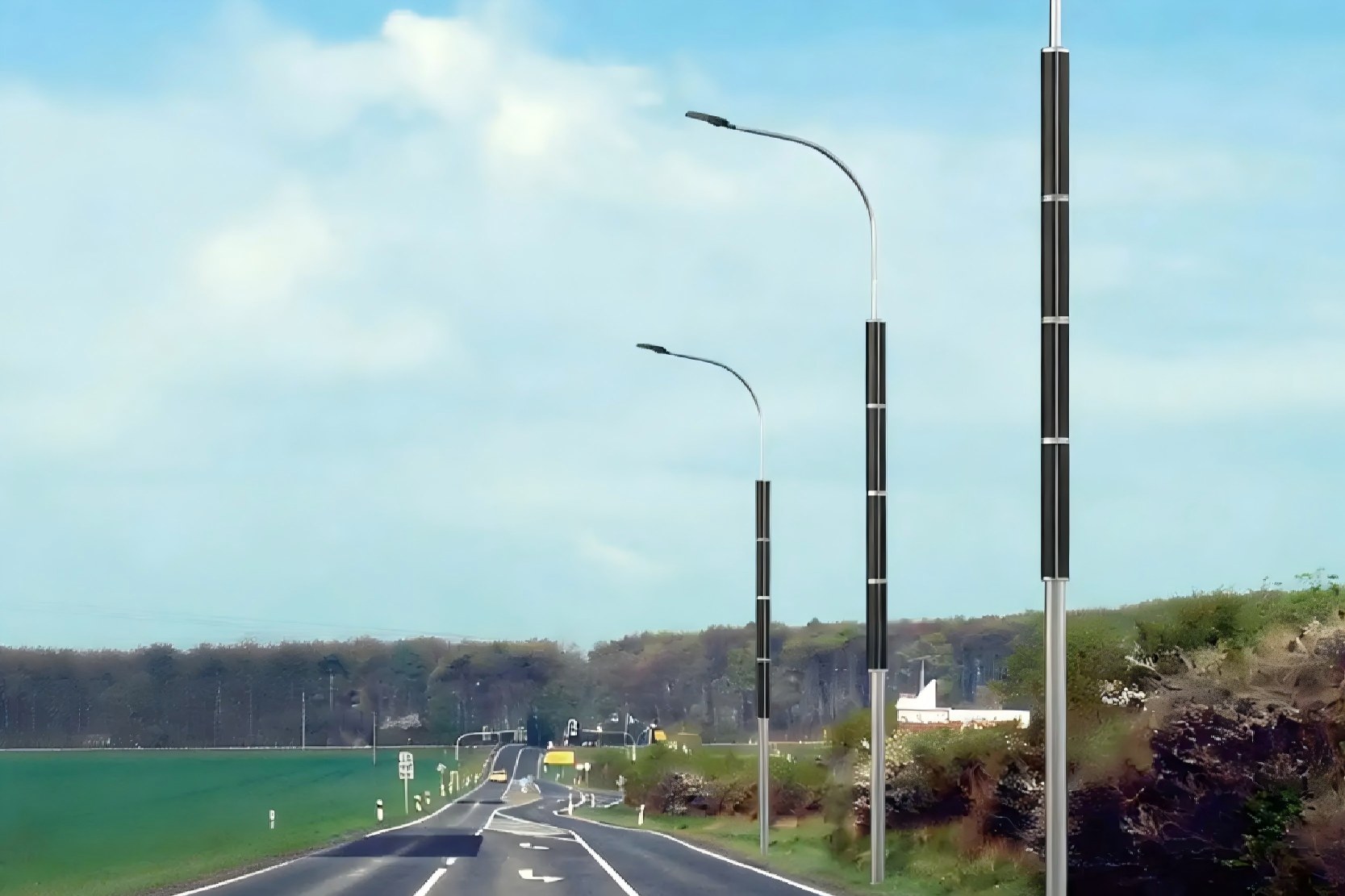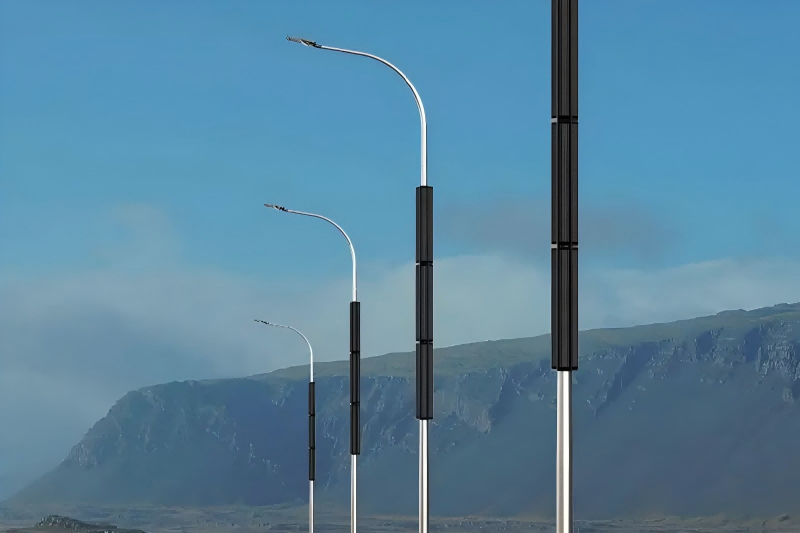

A street light pole structure is a critical structural engineering component designed to elevate luminaires to precise optical heights, ensuring uniform illumination and traffic safety on public roadways. Beyond serving as a simple physical support, modern street light poles are highly engineered structures fabricated from materials like high-tensile steel, aluminum, or fiberglass.
Premium manufacturing facilities, such as Morelux, engineer these structures to withstand rigorous environmental conditions, dynamic wind loading, and dead loads in full compliance with international municipal design criteria.
Key Takeaways
- Structural Integrity: Street light poles are designed to manage dead weight (fixtures, smart nodes) and wind loads while minimizing deflection.
- Material Science: Utilizing high-strength materials like Q235B/Q345B steel or 6063-T6 aluminum, processed with hot-dip galvanization, extends the structural lifecycle up to 30+ years.
- Standard Compliance: Safe field deployment depends on conforming to established global design codes such as AASHTO LTS and EN 40.
Components of a Light Pole
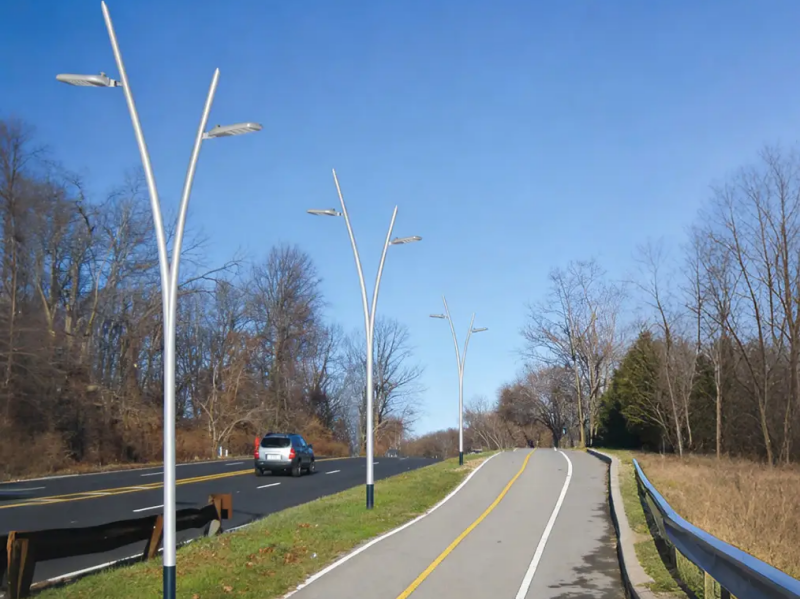
An industrial-grade street light pole consists of several integrated sub-assemblies. Each part must be engineered under strict quality controls to ensure the safety of pedestrians and vehicular traffic beneath them.
Pole Shaft
The pole shaft serves as the primary vertical column of the structure. In heavy-duty commercial projects, structural steel is favored due to its high yield strength and cost-efficiency.
- Steel is used most for pole shafts.
- Powder coating and galvanizing help steel poles last longer.
- The shaft holds up all the other parts.
Rules like BS EN, AASHTO, AS/NZS, and MS make sure the pole shaft is safe and good quality.
Base and Foundation
The foundation transforms the concentrated forces acting on the pole structure into the surrounding soil.
- The right size foundation, like a 400mm square for 3-6m poles, keeps the pole safe.
- Anchor bolts, like 4xM16 for 3-6m poles, hold the pole steady.
- Making the foundation deeper in soft soil helps the pole stay up.
| Standard | Description |
|---|---|
| ASTM C1089-19 | Makes sure concrete poles are strong. |
| ANSI C136.15-2020 | Tells what lamps and wattage to use for good lighting. |
| ANSI C136.34-2020 | Protects lights and makes streets safer. |
Luminaire Arm and Fixture
The luminaire arm holds the light fixture over the street. This part puts the light at the right height and angle. Many new poles use LED fixtures. LEDs save a lot of energy and last a long time. They use up to 90% less energy and last much longer than old bulbs.
The way the fixture is made also matters. Many poles use full cutoff or shielded fixtures. These send light down and stop glare and light pollution. Some new designs can change color and brightness. They can do this based on the time or how busy the street is. Morelux makes custom arms and fixtures for different needs.
Access Doors and Wiring
Access doors let workers get to the wires inside the pole. These doors are usually near the bottom. Wires run through tubes from one pole to another. They often go through junction boxes to make fixing them easier.
- Checking access doors often helps find problems early.
- Keeping anchor bolts tight and the base plate strong keeps things safe.
- Good seals on doors keep wires safe from weather and damage.
People check these parts often to keep poles safe and working well. Morelux makes access doors that are easy to use and last a long time.
Additional Features
New lighting poles can have extra features for smart cities. These can include:
- Smart lighting that changes brightness when needed.
- Working with other smart city tools for better city management.
- Lights that change for weather or traffic.
- Collecting data to learn about safety and movement.
- Wi-Fi and remote checks to save energy.
These extra parts make poles do more than just hold lights. They help cities save energy, keep people safe, and give new services. Morelux makes custom poles with these features for modern cities.
Note: Rules like BS EN, AASHTO, AS/NZS, and MS are important for safety and quality. They cover things like how strong the materials are, weather safety, and electrical safety.
All the parts of a light pole work together to make a good lighting system. By using good materials and following rules, companies like Morelux help cities have safer and smarter streets.
Types of Street Light Poles
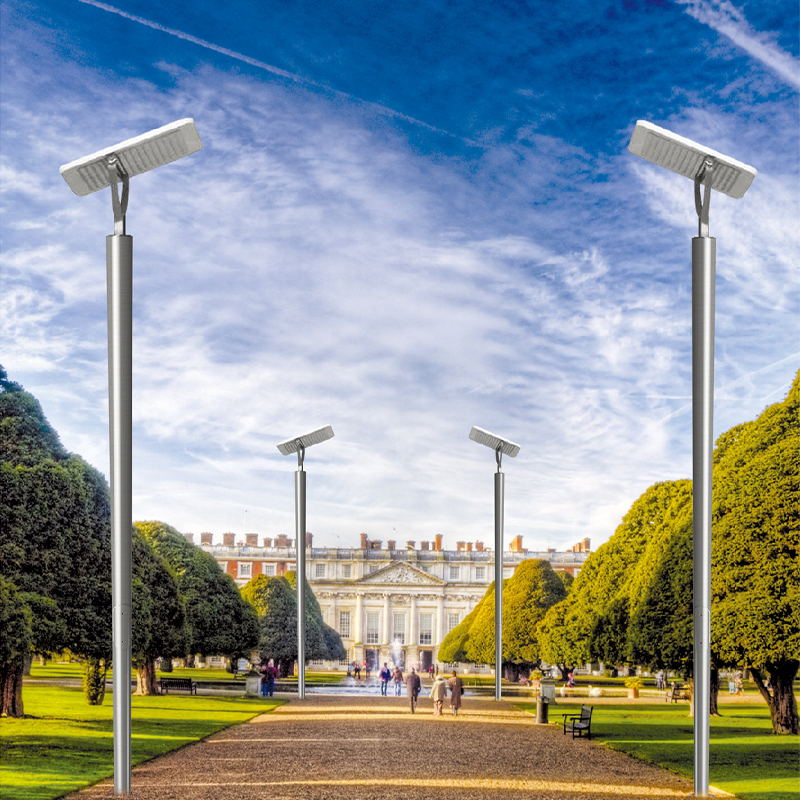
Engineering requirements vary widely depending on whether a pole is intended for a narrow pedestrian walkway or a twelve-lane highway interchange. Morelux manufactures specialized geometric profiles to address distinct structural and architectural demands.
Tapered and Non-Tapered Poles
- Round/Octagonal Tapered Poles: These profiles feature a decreasing diameter from the base plate up to the tenon. Tapered geometry naturally distributes wind bending moments efficiently, concentrating material strength at the base where stress intensity is highest.
- Straight (Non-Tapered) Poles: Maintaining a constant diameter from base to top, straight round or square profiles offer a minimalist architectural look. However, they require thicker walls to withstand equivalent wind moments at identical heights.
| Pole Shape | Structural Efficiency | Typical Application | Aesthetic Character |
|---|---|---|---|
| Round tapered | High | Roads, highways, parking | Clean, modern |
| Octagonal tapered | High | Highways, high-mast | Angular, industrial |
| Straight round | Moderate | Urban, parks | Classic, architectural |
| Decorative fluted | Moderate | Heritage, plazas | Ornamental |
| Square tapered | Moderate | Plazas, architecture | Geometric, contemporary |
Specialized Poles (Solar, High Mast, Flood, etc.)
- Solar Street Light Poles: Featuring integrated solar panels and battery enclosures. These structures require reinforced foundations and increased pole wall thickness to support the massive EPA (Effective Projected Area) and dead weight of the solar panels at the top.
- High-Mast Towers: Reaching heights from 15 to 50 meters, these heavy-duty structures utilize lowering ring systems to mount multi-fixture floodlight arrays for seaports, airports, and stadium complexes.
| Advantage | Description |
|---|---|
| Wide-area coverage | Lights up large spaces with fewer poles. |
| Reduced pole clutter | Fewer poles make spaces look cleaner. |
| Enhanced safety | Better lighting means safer public areas. |
Design Variations (Square, Round, Octagonal, Hexagonal)
Poles come in different shapes to match how a place looks. Morelux can make square, round, octagonal, and hexagonal poles for any project.
| Design Type | Structural Characteristics | Aesthetic Characteristics |
|---|---|---|
| Hexagonal | Many sides, good for decoration | Adds visual interest, fits many styles |
| Round | Simple, classic, easy to make | Plain look, less geometric detail |
| Square | Angular, modern look | Can seem formal or boxy |
| Octagonal | More complex, strong | Looks bold, less streamlined than hexagonal |
Tip: Picking the right pole shape makes putting them in easier. Taller poles light up more space but need stronger lights. Good spacing and regular checks help the lights work well for a long time.
Pole Installation Methods
Street light pole installation uses two main methods: anchor-based and direct burial. Each method helps make poles easy to install and keeps lighting safe and reliable for many years. Choosing the right way to set up a pole depends on the location, soil, and project needs.
| Method | Description | Applications and Considerations |
|---|---|---|
| Direct Burial | Involves installing the pole directly into the ground without additional support. | Cost-efficient, suitable for firm soil, but not for sandy or loose soil. |
| Anchor-based | Requires a more complex installation with concrete and bolts for stability. | Ideal for high wind areas and locations with loose soil, easier replacement. |
Anchor-Based Installation
The industry standard for large scale municipal deployment. It utilizes a pre-poured concrete pier with embedded anchor bolts. This allows for precise plumb-line alignment via leveling nuts underneath the base plate.
- Key Advantage: If a vehicle collides with the pole, the damaged superstructure can be unbolted and replaced quickly without destroying the underground concrete base.
Direct Burial Installation
Direct burial installation means placing poles straight into the ground. This method is easy to install and costs less because it does not need concrete or bolts. It works best in firm soil. Poles made from rust-free materials like aluminum or fiberglass last longer in this setup. Workers should wear gloves, boots, and safety glasses during installation.
Direct burial poles are easy to install and good for quick lighting projects. However, they do not work well in sandy or wet soil.
Proper installation of poles keeps lighting safe and helps poles last longer. It also lowers the risk of accidents and makes sure the street light pole stands strong for years.
A street light pole holds up lights to keep streets safe. Using strong materials like galvanized steel, aluminum, and fiberglass makes poles last longer. These materials also mean less fixing is needed. Following international rules helps keep poles safe and steady. Installing poles the right way lowers dangers in important places. Morelux gives good lighting that works well for a long time.
| Material | Properties | Lifespan Impact |
|---|---|---|
| Galvanized Steel | Tough, stops rust | Good for rough weather |
| Aluminum | Light, does not rust | Works well in wet places |
| Fiberglass | Strong, never rusts | Needs little care, lasts many years |
FAQ
What materials do street light poles use?
Steel, aluminum, and fiberglass are used a lot. Steel poles are very strong and last a long time. Aluminum does not rust easily. Fiberglass is easy to take care of and does not need much work.
How do cities choose the right pole type?
Cities look at how tall and what shape the pole should be. They also think about where the pole will go. Engineers check the wind, the ground, and how much light is needed. Morelux helps pick special poles for each place.
Why do poles follow international standards?
International standards make sure poles are safe and good quality. These rules help poles stand up to bad weather and work with electric systems. Morelux makes poles that follow these rules.