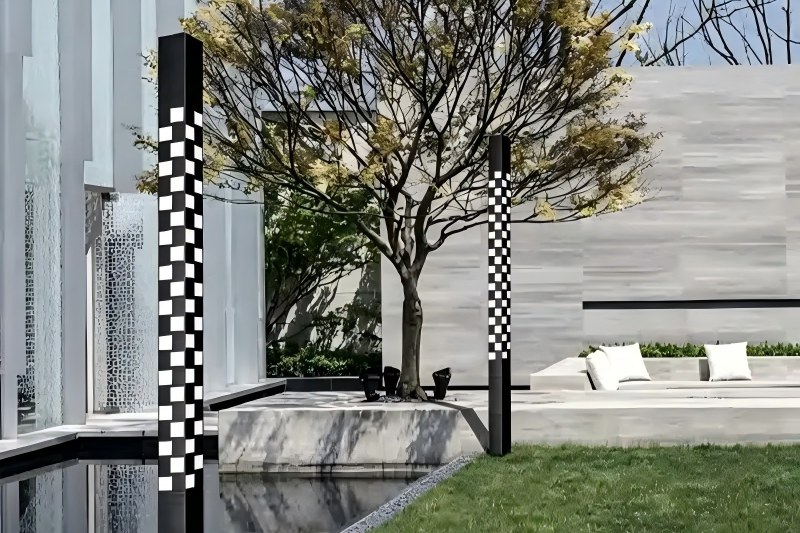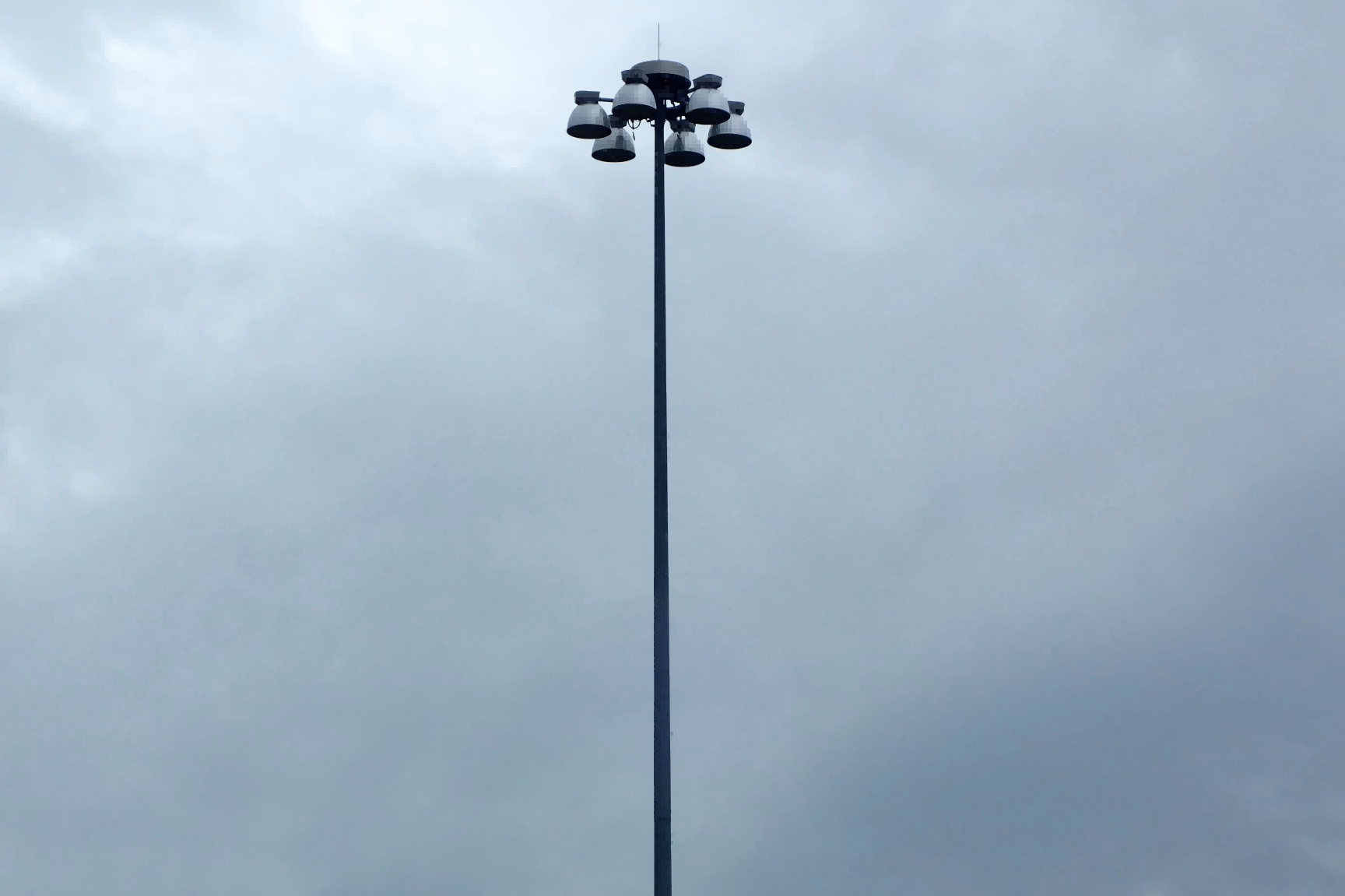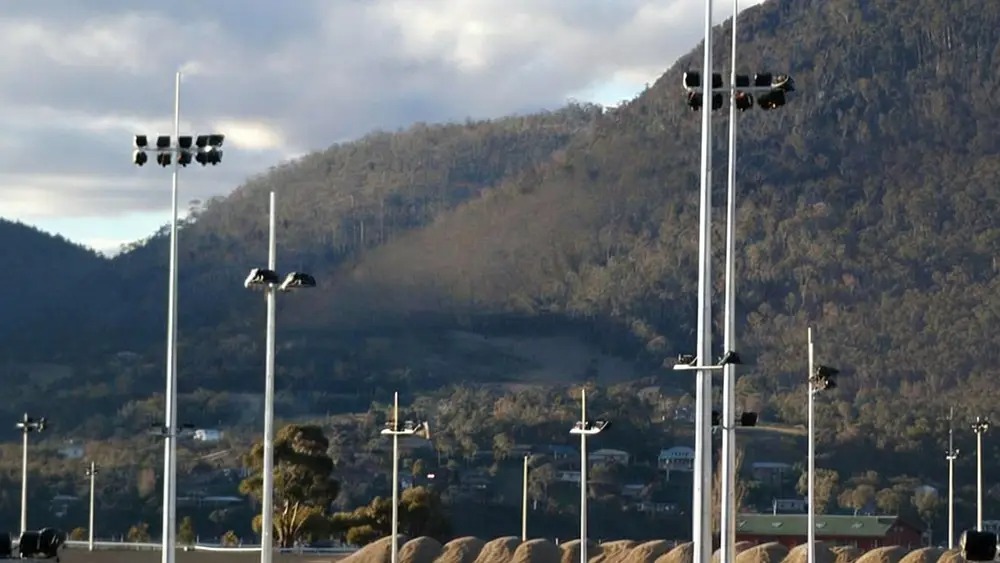
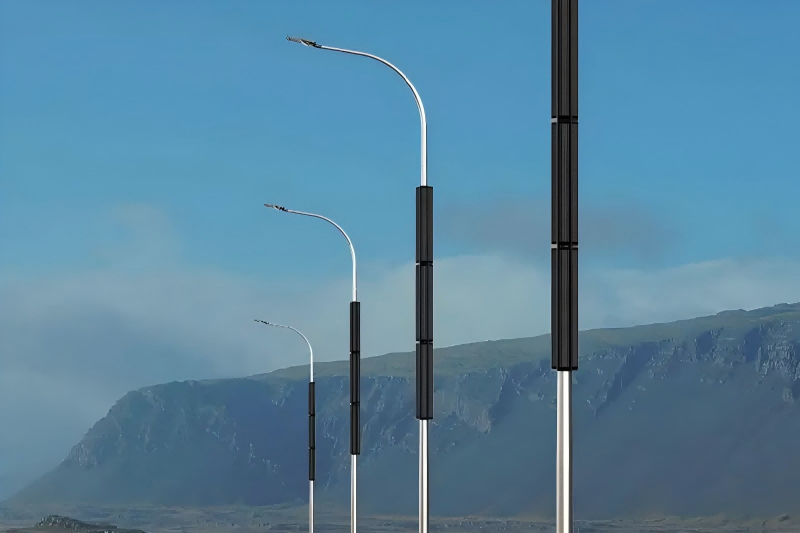
Selecting the right light pole begins with defining core project lighting needs, covering three common application categories: uniform high-output illumination for stadiums, standard roadway lighting for urban streets, and wide-area coverage for parking lots and public open spaces. To make a well-informed selection, specifiers should assess key criteria including pole height, construction material, fixture compatibility, preferred installation technique, required lighting performance, long-term durability, code compliance and overall budget, with this practical guide designed to help contractors and suppliers specify poles that meet regulatory safety rules and functional lighting targets.
| Application Type | Description |
|---|---|
| Stadium Lights | Even lighting for sports arenas |
| Street Lights | Lighting for roads and city areas |
| Area Lights | Lighting for parking lots and public places |
Key Takeaways
- Choose the best material for your light pole. Consider the installation location and local climate conditions. Steel, aluminum, and fiberglass each have their advantages.
- Ensure the light fixtures are compatible with the light pole. This helps avoid maintenance and extends the pole’s lifespan. Check the voltage, wattage, and installation method.
- LED lights are energy-efficient and have low maintenance costs. They have a long lifespan and require less frequent maintenance.
Choosing the Right Pole Material
The best material for a light pole depends on its location. You need to consider the pole’s height and local climate conditions. Contractors and suppliers typically choose steel, aluminum, or fiberglass. These materials are suitable for streetlights, stadium lighting, parking lots, solar power, smart lighting, and decorative projects. Each type of pole has its unique advantages in urban lighting and high-intensity commercial lighting.
Steel
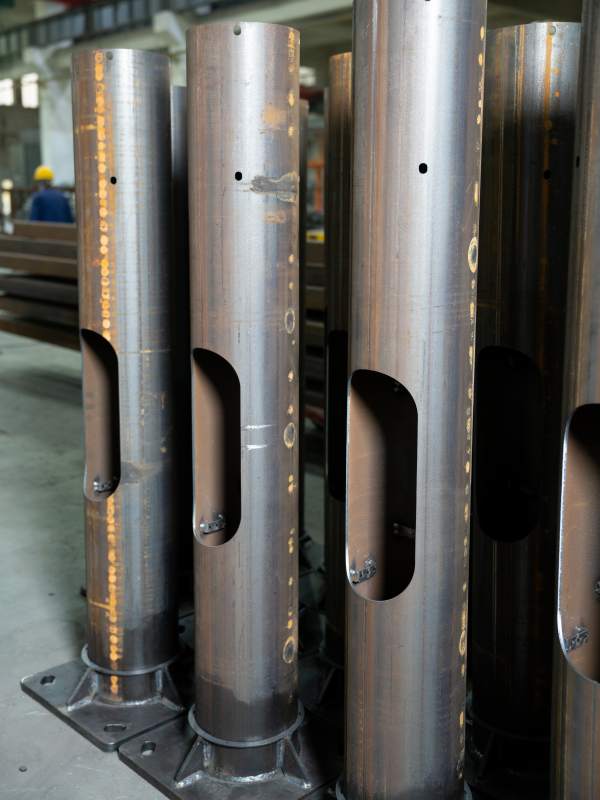
Steel poles are very strong and durable, with a long lifespan. They are suitable for busy city streets and stadiums. Steel poles are also frequently used in large projects where height and strength requirements are high. Companies like Morelux can customize steel poles for different applications. Steel poles can withstand heavy loads, making them ideal for large projects. To maintain good condition, they require coating and maintenance. The lifespan of steel poles can range from 20 to 50 years, depending on maintenance and climate conditions.
Note: Steel poles need surface treatments to stop rust, especially near the ocean.
Aluminum
Aluminum light poles are lightweight and rust-resistant, making them widely used in streetlights, stadiums, and various other engineering projects. Due to their excellent rust resistance, aluminum light poles are particularly suitable for coastal areas. Suppliers recommend aluminum light poles for high-pole and easy-to-install lighting fixtures. Aluminum light poles require minimal maintenance, only regular cleaning. Their lifespan can reach over 50 years.
Fiberglass
Fiberglass light poles are robust and durable, requiring virtually no maintenance. They are commonly used for streetlights and sports stadiums in damp or power-contaminated areas. Fiberglass does not rust and is resistant to salt spray and sunlight. Suppliers also use fiberglass to manufacture smart lights and solar lights. Fiberglass light poles have a lifespan of 15 to 25 years and require almost no maintenance.
The size and height of the light pole depend on its location. The pole must be tall enough to withstand various weather conditions.
Lighting Requirements & Fixture Selection
Lighting Compatibility
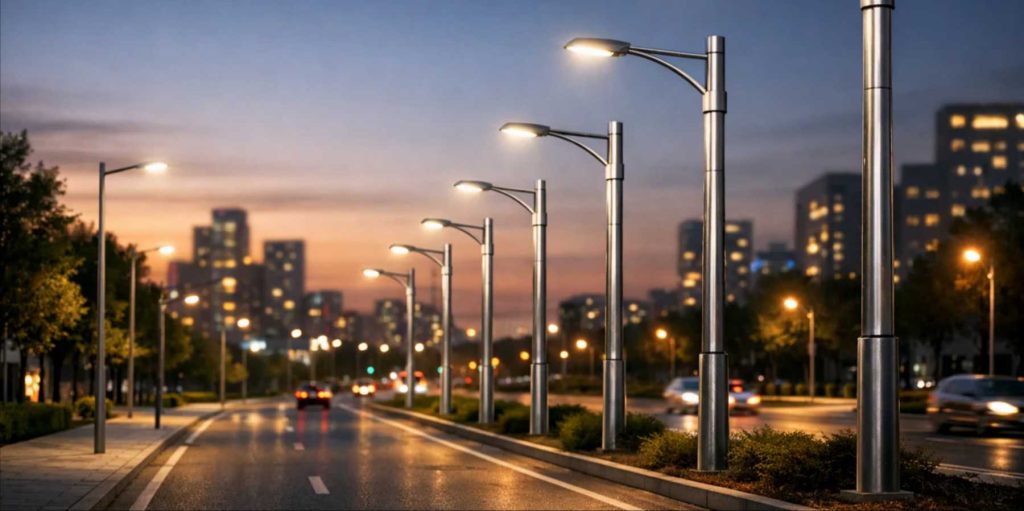
Choosing the right lighting fixtures is crucial for the proper functioning of light poles. Manufacturers and suppliers must ensure that the fixtures are compatible with the poles. The poles must be able to withstand the weight and size of the fixtures. Choosing the right fixtures helps extend the life of the poles and reduces maintenance and failures. Morelux offers customized solutions that match voltage, power, and installation methods to comply with local regulations regarding pole height, spacing, and brightness. The Effective Projected Area (EPA) rating indicates the wind force the pole can withstand. The higher the EPA value, the stronger the pole. Wholesalers should consider the EPA value when selecting poles for large projects.
Power, Lumens, LED Options
Lighting needs dictate the type of light pole used in each location. Streetlights typically require poles 30 to 50 feet high, with spacing between poles 2.5 to 3 times their height. Parking lot lights are 15 to 30 feet high, with spacing of 30 to 40 feet. Decorative lighting requires specific pole heights and spacing. For commercial parking lots, LED lights with 100 to 300 watts and 15,000 to 30,000 lumens provide bright and safe illumination. LED lights are energy-efficient and have lower maintenance costs. In Texas, switching to LED lights reduced annual energy costs from $18,000 to $5,400. LED lights have a lifespan of up to 100,000 hours, compared to approximately 20,000 hours for HID lights. Maintenance calls have decreased by 80% since switching to LED lights. Suppliers and manufacturers say LED lights are the best choice for energy efficiency, cost-effectiveness, and long lifespan.
Cost & Budgeting for Light Poles
Pricing Factors
Many factors influence the price of light poles. Companies will consider the pole’s height, the type of lighting fixtures used, wind speed, and ground conditions. They will also consider the pole’s material, shape, and finish. Custom-made light poles for stadiums or decorative purposes are more expensive. Pole types near the sea require special finishes to prevent rust. Steel light poles are the cheapest. Aluminum light poles are more expensive but have a longer lifespan. Fiberglass light poles are the most expensive but offer the best rust resistance.
| Type of Light Pole | Cost Characteristics | Lifespan | Corrosion Resistance |
|---|---|---|---|
| Steel | Most economical | Shorter | Susceptible to corrosion |
| Aluminum | More expensive | Longer | Resistant to rust |
| Fiberglass | Most expensive | Longest | Highly resistant to corrosion |
Suppliers like Morelux custom-make light poles for stadiums and cities. Buyers can request quotes based on project size, location, and material costs. Factory prices will vary for large or complex projects.
Installation and Maintenance Costs
The cost of installing light poles depends on many factors, including the pole itself, the light head, mounting hardware, wiring, control systems, concrete, labor, and permits. In most cases, the cost of installing a standard light pole is between $2,500 and $4,500. Large parking lot light poles cost between $4,000 and $7,000. Stadium light poles can cost as much as $10,000 to $25,000 per pole. Suppliers recommend regular inspection and cleaning of the light poles. They inspect them twice a year, cleaning, protecting the coating, and repairing any damaged parts.
| Cost Component | Estimated Cost Range |
|---|---|
| Pole Structure | $300-$1,500 |
| Fixture (Light Head) | $400-$1,500 |
| Mounting Hardware | $100-$400 |
| Electrical Wiring and Conduit | $200-$600 |
| Controls (Photocell, Motion Sensor) | $50-$250 |
| Concrete and Footing | $200-$800 |
| Labor and Installation | $500-$2,000+ |
| Engineering and Permits | $200-$1,000 |
Tip: Make a smart budget, focus on what you need, get several prices, and plan for extra costs. Custom stadium poles need more money, but strong poles last longer and save money later.
Taking care of light poles helps them last longer and keeps stadium lights safe. Morelux helps buyers with custom poles and good prices for all kinds of light poles.
Light Pole Installation Guidelines
A good installation guideline helps workers operate safely and extends the life of the light pole. The installation method depends on the project and geological conditions, and safety regulations must be followed. If installed properly, a light pole can last for many years.
Anchored Installation
Anchored installation uses a concrete base and anchor bolts to secure the light pole in place. Contractors will follow these steps to ensure the light pole’s safety:
- Attach all fixtures to the pole and manage wires neatly.
- Use the bolt patterns from the manufacturer to avoid mistakes.
- Make sure the pole is straight before tightening nuts and washers.
- Tighten the top nuts as the instructions say.
- Put concrete grout in the base to help keep it steady.
- Check the local rules and weather before putting in the pole.
Tip: Check the soil, wind, and frost line before you start. Ask an engineer to make sure the foundation is right for the job.
Some people use concrete bases they make themselves. Others use helix foundations, which are faster and do not need concrete.
Direct Burial Installation
Direct burial installation puts the pole straight into the ground. Contractors can have problems like these:
- The type of soil, like sand or rock, changes how steady the pole is.
- If anchor bolts are not in the right place, measurements can be wrong.
- If the pole is not lined up, it can go in crooked.
- Not getting help from a pro can make the foundation weak.
Using strong materials and good finishes makes the pole last longer. Checking the pole often helps find problems early. In places where things rust, special coatings help the pole last longer.
A composite pole can last up to 70 years. Premium aluminum poles last twice as long as steel and need less care.
This guide helps companies and buyers pick the best way to install light poles.
Picking the right light pole takes a few steps. The table below shows what buyers should think about:
| Decision Point | Description |
|---|---|
| Visual Impact Minimization | Make poles less noticeable by checking where they go, how far apart they are, and how bright they shine. |
| Overhead Signage Illumination | Make sure signs and letters are easy to see with good lighting. |
| Public View Consideration | Keep bright lights away from public views but still keep people safe. |
Companies like Morelux make special poles that work well and fit each project. Buyers need to look at installation guides and compare materials before choosing. Picking the right features makes things safer, looks better, and helps poles last longer.
- Ask experts for help with custom designs.
- Follow guides to stop mistakes.
- Pick materials that last and are easy to care for.
FAQ
What is the typical lifespan of a light pole?
Steel light poles have a lifespan of 20 to 50 years. Aluminum light poles have a lifespan exceeding 50 years. Fiberglass light poles have a lifespan of 15 to 25 years. Regular inspections help extend the lifespan of light poles.
How do manufacturers customize light poles for different projects?
Factories will modify the height, shape, and surface finish of the light poles. They will also modify the installation method. Suppliers will produce specialized light poles for locations such as stadiums, streets, and parking lots. They will select the most suitable light pole based on the specific circumstances of each project.
What factors affect the wholesale price of light poles?
| Factor | Impact |
|---|---|
| Material | Changes the price |
| Height | Taller poles cost more |
| Finish | Special finishes make poles cost more |