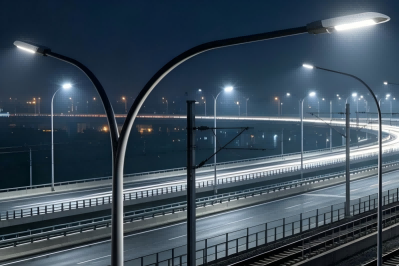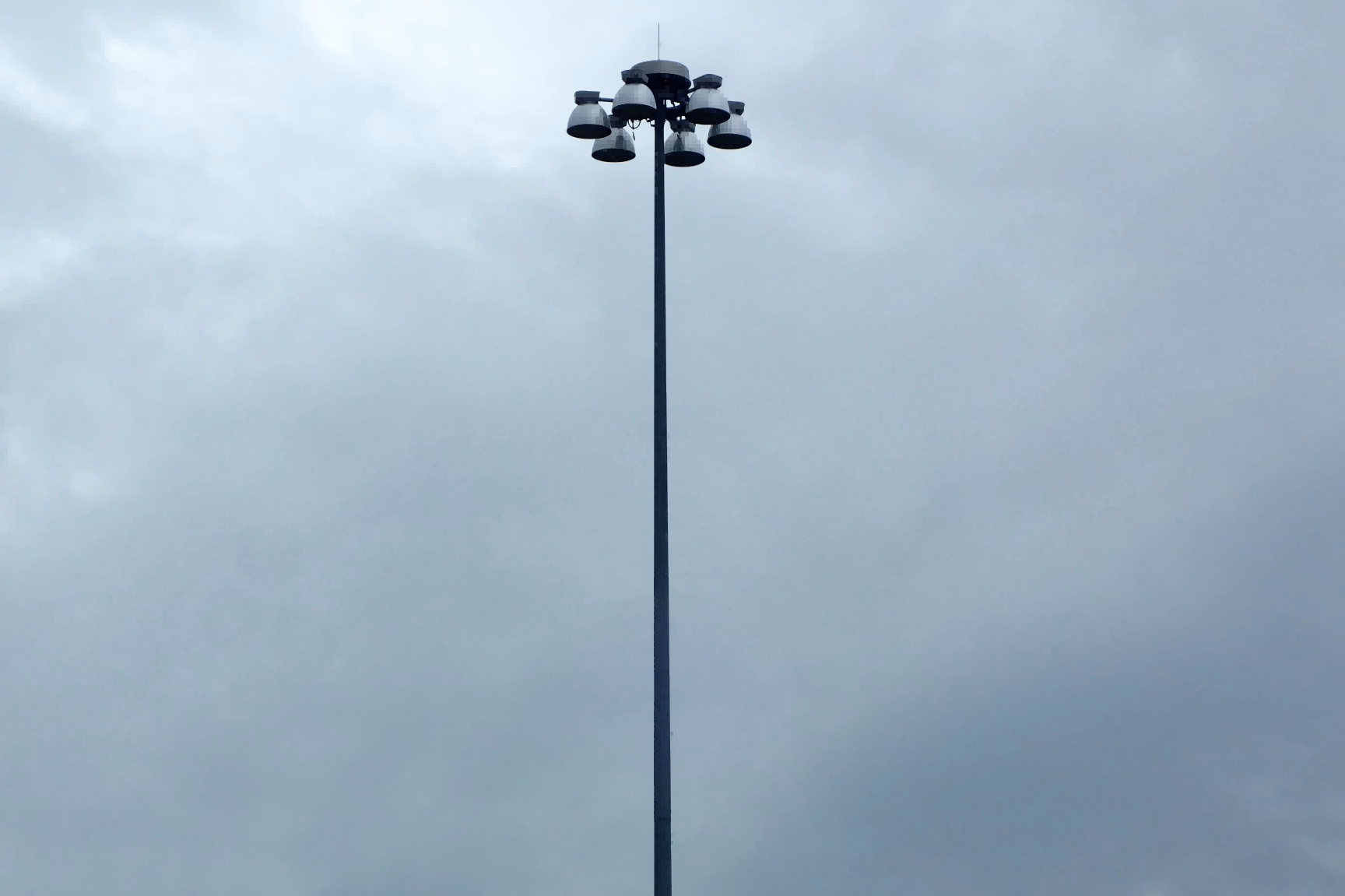
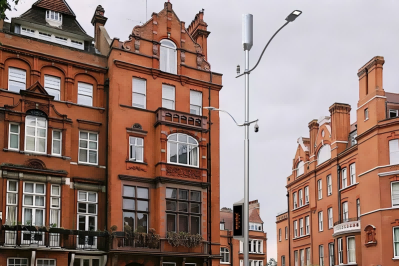
A smart pole is a device that changes old streetlights into new city tools. It mixes lighting with new technology like wireless internet, sensors, and clean energy. These poles help smart cities by saving energy, making people safer, and helping cities run better. Strong steel poles from companies like Morelux are good bases for these new ideas.
Key Takeaways
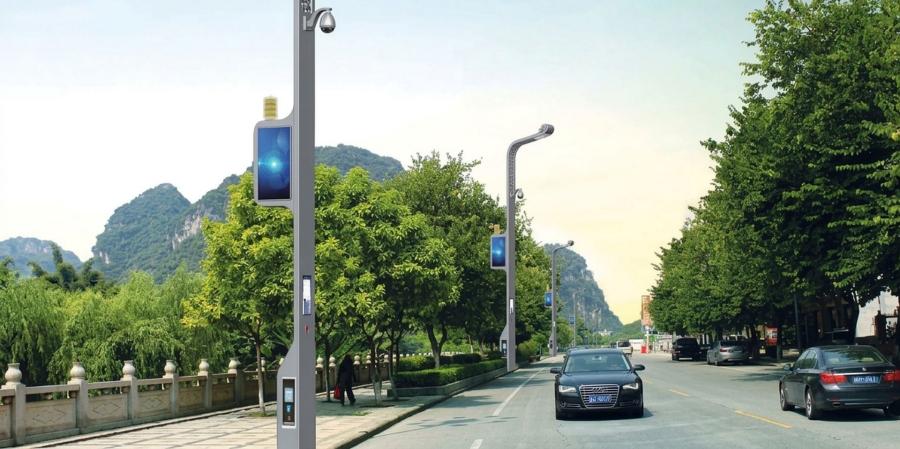
- Smart poles use lights and technology like Wi-Fi and sensors. They make city services better. They help cities use less energy. They also make people safer with things like cameras and lights that change brightness. Smart poles help watch the environment and collect data. This helps cities manage things better.
The Features of Smart Pole
Digital Connectivity
Smart poles help cities stay connected in new ways. They use the latest technology to give Wi-Fi and 5G. To prevent data silos, modern smart poles utilize standardized communication protocols (such as TALQ Consortium specifications or MQTT over cellular networks) to ensure interoperability between IoT edge devices and central management systems (CMS). The table below outlines the core hardware and connectivity architecture:
| Feature | Description |
|---|---|
| Public Wi-Fi | Provides internet access in public spaces |
| 5G technology | Supports fast, reliable connections for smart cities |
| IoT device communication | Links sensors and devices to central hubs |
| Emergency call buttons | Gives quick access to emergency services |
| EV charging ports | Allows electric vehicles to recharge |
| Digital signage | Shares information and ads with the public |
| Solar panels | Supplies renewable energy for the pole |
| Data collection modules | Gathers data for city management |
The dense integration of 5G small cells and power equipment requires advanced internal cabling, thermal dissipation management, and secure access panels within the pole’s structure.
Public Safety
Smart poles make people safer than old streetlights. They use cameras, emergency buttons, and lights that change brightness. The table below shows how smart poles and old streetlights are different:
| Feature | Smart Poles | Traditional Streetlights |
|---|---|---|
| Adaptive Brightness | Yes | No |
| CCTV Integration | Yes | No |
| Emergency Response | Yes | No |
Smart poles also help control traffic and help emergency teams stay connected.
Environmental Monitoring
Cities use smart poles to watch the environment. These poles have sensors to check air, temperature, and weather. The table below lists common environmental sensors:
| Sensor Type | Description |
|---|---|
| Air Quality Sensors | Monitor pollutants and air quality levels |
| Temperature Monitors | Track temperature changes |
| Weather Stations | Provide data on weather conditions |
These sensors help cities make good choices for health and safety.
Energy-Efficient Lighting
Smart poles use lights that save energy. They often use LEDs and can get brighter or dimmer when needed. According to reports by the International Energy Agency (IEA), upgrading traditional High-Pressure Sodium (HPS) lamps to smart LEDs with scheduled dimming profiles can reduce municipal lighting energy consumption by 50% to 70%. When combined with real-time motion-activated mesh networks, dynamic dimming can push total energy savings up to 80%.
City Services
Smart poles help with many city services:
- Smart lighting that changes brightness
- Wi-Fi for everyone
- Sensors to watch the environment
- Cameras for safety
- Sensors for traffic and parking
- Charging stations for electric cars
- 5G networks for fast internet
These features help cities work better and keep people connected. Good steel poles from trusted companies are important for these smart tools.
Smart Pole vs. Traditional Streetlight
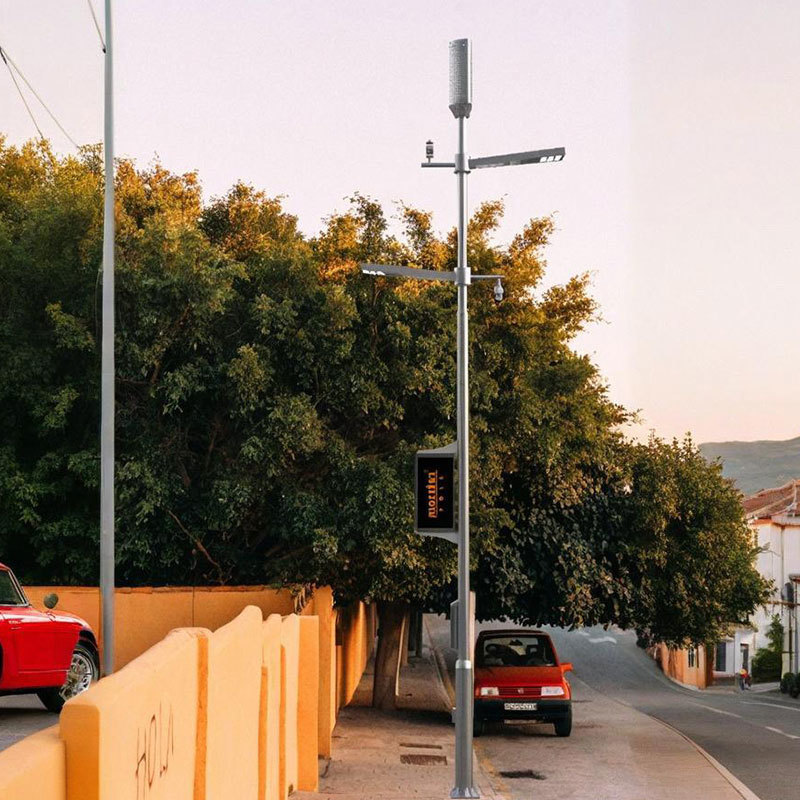
Design and Technology Differences
Smart poles are very different from old streetlights. Old streetlights only turn on and off. They do not have sensors or remote controls. This means they cannot change how they work. Smart poles use sensors and IoT technology. People can control them from far away. They can also check how the poles are working in real time. Smart poles can change their brightness by themselves. They do this when people or cars are near. This helps save energy and keeps people safe. Smart poles can have cameras and sensors for the environment. They can also have charging stations for electric cars. This makes smart poles useful for many things. Smart poles use LED lights. These lights last longer and use less energy than old bulbs.
Evolving Urban Needs
Cities have new problems that need smart answers. They need more than just lights on the street. Cities want systems that help with traffic, safety, and the environment. Smart poles can do all these things. They use new technology like 5G, IoT, and AI. Smart poles help cities use less energy. Sometimes, they can save half the energy. They also cost less to take care of. More people are moving to cities. This means cities need better tools. Smart poles help cities stay connected and safe. They make cities work better.
Applications of smart poles
Core Technologies and Capabilities
Smart poles use new technology to help cities with problems. They mix lighting, sensors, and wireless connections in one pole. Cities can add or change features easily because of their modular design. Smart poles have sensors that check air quality, temperature, and weather. These sensors collect data for city managers to use. City managers use this data to make better choices.
Smart poles can change how bright their lights are. Light sensors help the poles adjust brightness when there is sunlight. This saves energy. Most smart poles use LED lights. LEDs last longer and use less power than old bulbs. Some smart poles have solar panels or wind turbines. These let the poles use clean energy. This helps cities lower pollution and save money on power.
Smart poles need to work with many devices. Devices from different companies can work together in one system. This makes it easy for cities to add new features. Cities can add things like electric car charging or environmental sensors without changing everything. Steel pole makers like Morelux give strong bases for these poles. Their poles hold up the weight and wires for lights, sensors, and communication tools.
Energy Efficiency and Connectivity
Smart poles help cities use less energy and stay connected. They use light sensors to change lighting based on the time or weather. This stops wasting energy. Using LED lights can cut energy use by half. With smart controls and connections, some cities save up to 90% on energy.
Smart poles also help people get online. They have antennas and radio units for Wi-Fi and 5G. This keeps people connected and helps smart city projects. The poles are hubs for wireless connections. This is important for running sensors and collecting data. These features help cities manage traffic, check air quality, and keep people safe.
“Smart Poles play an essential role in supporting energy grids, especially as cities move towards more decentralized and renewable energy sources.”
Many cities use smart poles for electric car charging. The poles can be lights and charging stations at the same time. This saves space and money. Cities can add more charging spots without building new things. Installation costs can be much lower than old chargers. Using old lighting poles means cities need less land.
Steel pole suppliers like Morelux help cities use these solutions. Their poles are made to hold extra weight and wires for smart pole features. This keeps the poles safe and strong as cities add new technology.
Enhancing City Services
Smart poles help cities with safety, traffic, and services. They use cameras and emergency buttons to protect people. Real-time monitoring helps police act faster. Empirical data from the U.S. National Bureau of Economic Research (NBER) indicates that optimized, high-color-rendering street lighting can reduce index crimes by up to 36% at night. Furthermore, pilot projects tracked by municipal data portals in major metropolises show that integrating AI-driven CCTV with smart poles significantly improves emergency response deployment efficiency.
Smart poles also help control traffic. They use sensors to watch traffic and change signals. This can make traffic delays shorter by up to 30%. In Barcelona, smart pole data helped change traffic light timing. This made traffic jams and pollution less. In Chicago, smart poles check air quality and help the city fight pollution.
The table below shows how cities use smart poles:
| City | Benefit Description | Measurable Impact |
|---|---|---|
| Singapore | Smart poles are used for watching public areas | Public safety gets better |
| Oslo | LEDs and dimming save energy | 70% less energy costs |
| London | Police respond faster with smart pole data | 15% fewer crime incidents |
| Amsterdam | Streetlight energy use goes down | 65% less energy consumption |
| Chicago | Air quality checked by smart poles | Useful info about pollution |
Smart poles also collect data for city planning. They gather info about foot traffic, environment, and how people use the poles. City planners use this data to make services better. This helps cities use resources wisely and manage things smarter.
Steel pole makers like Morelux are important for these projects. Their poles support lights, sensors, and connection tools. As more cities build smart projects, they need strong steel poles. These poles help cities build safe, useful infrastructure for today’s needs.
Smart poles help cities use less energy and make the air cleaner. They also make people safer. The table below shows how smart poles help cities become smarter:
| Benefit/Functionality | Description |
|---|---|
| Energy Efficiency | Smart lighting can lower energy use by up to 80%. |
| Carbon Emission Reduction | Using less power means cities make fewer emissions. |
| Enhanced Resilience | Smart poles stay strong in bad weather. |
| Data-Driven Decision Making | Sensors help cities use resources well and act fast. |
| Improved Recovery Speed | Data helps cities fix problems quickly. |
Strong steel poles from companies like Morelux help cities build safe and reliable systems.
FAQ
What makes a smart pole different from a regular streetlight?
Smart poles have sensors, cameras, and wireless tech. They help with city services and keep people safe. They also use less energy. Regular streetlights just give light and do not have these features.
How do smart poles help cities save energy?
Smart poles use LED lights and sensors. They change how bright the lights are when needed. This helps cities use less energy and spend less money.
Why is the quality of the steel pole important?
Good steel poles, like those from Morelux, hold heavy tools and last a long time. They help smart pole systems stay safe and work well for city projects.