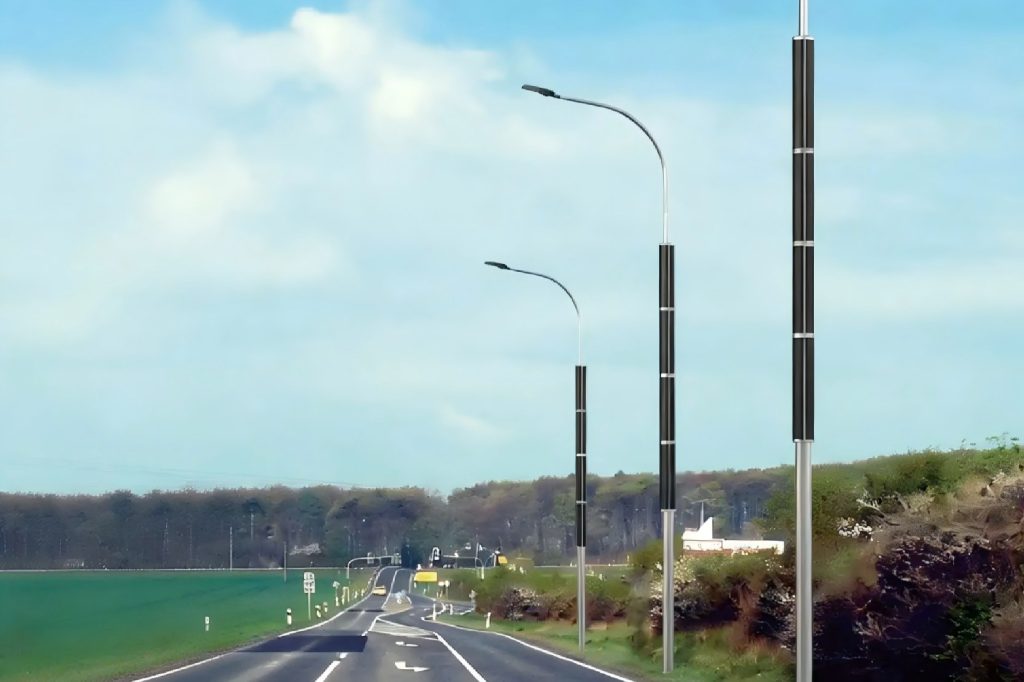
The average lifespan of a streetlight pole is 15 to 50 years. With proper maintenance, some streetlight poles can last up to 50 years. The lifespan of a streetlight pole depends on its material, maintenance, and installation location. The table below lists the lifespan of streetlight poles made of various materials:
| Material | Lifespan (years) |
|---|---|
| Steel | 20-30 |
| Aluminum | 30-50 |
| Concrete | Over 50 |
| Fiberglass | 15-25 |
Choosing an ISO 9001-certified manufacturer, such as MORELUX, ensures stringent material selection and advanced processing techniques, which drastically extends the structural service life of the poles.
Key Takeaways
- Street light poles can last from 15 to 50 years. The material and care affect how long they last. Picking the best material helps them last longer.
- Regular maintenance is very important. Checking poles often finds problems early. This keeps people safe and makes poles last longer.
- Partnering with an engineering-focused manufacturer like MORELUX guarantees that poles are backed by professional fatigue analysis and loading calculations. This alignment with rigorous industry regulations minimizes the total Life Cycle Cost (LCC) and prevents premature structural failure.
Street light pole lifespan
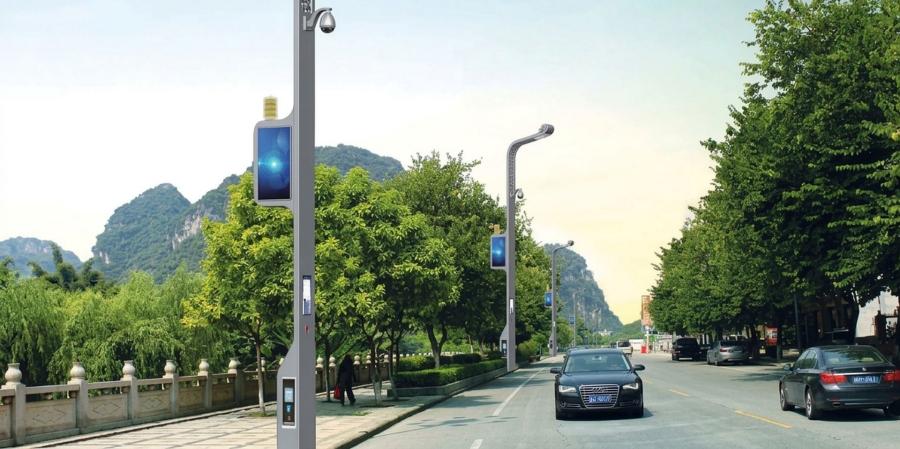
Streetlight poles are made of different materials, each with a different lifespan. The material you choose will affect the lifespan of the streetlight pole and the amount of maintenance it requires. Some materials are more resistant to wind, rain, and frequent use than others. The table below lists the most commonly used materials for streetlight poles:
| Material | Lifespan (years) | Properties |
|---|---|---|
| Steel | 20-30 | Strong, durable, cost-effective |
| Aluminum | 30-50 | Lightweight, corrosion-resistant |
| Concrete | Over 50 | Sturdy, long-lasting |
| Fiberglass | 15-25 | Lightweight, flexible |
Steel pole lifespan
Steel poles are strong and not too expensive. They are used a lot for street lights. Most steel poles last about 20 to 30 years. Galvanized steel poles have a zinc coating. This coating helps them last longer. Stainless steel poles can last even more years. They are good for places near the ocean or factories.
Technical Insight: The longevity of steel poles depends heavily on their corrosion protection. High-quality steel poles must undergo hot-dip galvanization in strict compliance with EN ISO 1461 or ASTM A123 standards, achieving a minimum average zinc coating thickness of $85\,\mu\text{m}$. For coastal environments or industrial zones with high sulfur dioxide levels, a Duplex System (hot-dip galvanization combined with a fluorocarbon powder coating) is highly recommended.
Aluminum Pole Lifespan
Aluminum poles have a longer lifespan than steel poles, typically lasting 30 to 50 years. Aluminum is rust-resistant, making it ideal for urban and waterfront areas. Aluminum poles are also less expensive to maintain than steel poles, lightweight, and easy to install.
Modern municipal infrastructure typically uses 6063-T6 or 6061-T6 structural grade aluminum alloys. Aluminum naturally forms a tough, self-healing oxide layer, which is often further enhanced through factory anodizing or architectural powder coating. This treatment makes aluminum poles virtually maintenance-free and highly resistant to harsh marine environments, making them ideal for coastal walkways and high-humidity bridges.
Concrete pole lifespan
Concrete poles are very strong and last a long time. Most concrete poles last over 50 years. They are good for big projects that do not want to replace poles often. People check concrete poles two to four times each year. This keeps them safe and looking good. In places with bad weather, checks should happen more often.
Note: Finding cracks or damage early is important. Fixing problems fast helps poles last longer. It also keeps people safe.
Lifespan of Fiberglass Poles
Fiberglass poles have a lifespan of approximately 15 to 25 years. They are lightweight and flexible, allowing them to withstand strong winds and impacts. Fiberglass does not rust or corrode and performs well in humid or saline environments. However, they must be strong enough to bear heavy loads.
With proper maintenance, some newer fiberglass poles can have an even longer lifespan. Most companies use them in situations where flexibility and rust resistance are more important than lifespan.
Picking the best street light pole material depends on what the project needs. It also depends on money and the place. Working with a trusted company like Morelux helps. They make sure poles follow rules and work well for many years.
Factors affecting Street light pole lifespan
Environmental Impact
Environmental factors affect the lifespan of streetlight poles. Weather, pollution, and the location of the streetlight poles are all crucial. Strong winds or heavy rain can accelerate damage to streetlight poles. The humid environment and seawater at the coast can accelerate the rusting of metal streetlight poles. Temperature changes cause materials to expand or contract, and these factors weaken the strength of the streetlight poles over time: The table below shows how environmental factors affect the maintenance requirements of streetlight poles:
| Environmental Factor | Impact on Maintenance Needs |
|---|---|
| Harsh Weather | Raises risk of rust and stress on poles |
| Windy Conditions | Can make poles less strong |
| Rain and Snow | Makes poles wear out faster |
The Importance of Maintenance
Proper maintenance of streetlight poles helps extend their lifespan. Regular inspections can detect rust, cracks, or other problems early. Cleaning helps maintain the good condition of the pole’s coating. Timely repair of small problems can prevent larger issues later. Cities and companies conduct regular inspections to ensure the safety and proper functioning of the poles.
Installation Quality
The installation quality of streetlight poles is crucial. Good design, such as choosing the appropriate height and base, ensures the stability of the pole. First, check the ground to ensure it can support the weight of the pole. A sturdy base helps the pole remain stable during storms. Properly setting the spacing between poles improves lighting effectiveness and reduces stress on the poles. Engineers will plan these details together with the pole manufacturer.
Purpose and Load
The items a streetlight pole carries affect its lifespan. Pole supporting heavy lighting fixtures, cameras, or signs must be more robust. Excessive weight or additional equipment can cause premature wear on the pole. Choosing appropriate materials and design helps extend the pole’s lifespan.
Street light pole Maintenance
Extending street light pole life
Manufacturers and suppliers say regular maintenance is important. It helps street light poles last as long as possible. A good plan keeps poles safe and working well. Here are some ways to help:
- Clean solar panels and pole surfaces to get rid of dust.
- Look at batteries and electrical parts for any damage.
- Check light fixtures and wiring for early problems.
- Make sure solar panels and lights get enough sunlight.
- Tighten screws and bolts so the pole stays strong.
A schedule helps teams remember what to do. The table below shows how often to do each job:
| Frequency | Task Type |
|---|---|
| Monthly | Inspect poles and test lights |
| Quarterly | Check base and anchors |
| Bi-Annually | Full inspection of pole and wiring |
| Annually | Repair coatings and update systems |
Steel lighting poles suffer concentrated crevice corrosion at the ground-line transition directly above the base flange, driven by trapped soil moisture and persistent standing water at grade level. Per industry asset maintenance best practice, annual non-destructive ultrasonic thickness inspection is recommended for the lower 300 mm of the pole shaft—the zone with peak mechanical stress and accelerated material loss—to quantify remaining wall thickness and catch incipient subsurface corrosion early.
Signs replacement is needed
Street light poles show signs when they need to be replaced. Teams should watch for these things:
- Deep rust or corrosion, mostly on steel poles
- Cracks in concrete or fiberglass
- Poles that are loose or leaning
- Lights that flicker or do not work
- Wires that are showing or broken
Picking good poles from a trusted company, like Morelux, saves money over time and helps poles last longer.
Street light pole lifespan is affected by many things.
- Good material and coatings make poles last longer.
- Weather and putting poles in the right way help them stay strong.
- Checking and fixing poles often stops them from breaking early.
Investing in verified infrastructure materials and executing a data-driven preventive maintenance program ensures long-term public safety and stable grid operations.
FAQ
How often should streetlight poles be inspected?
Experts recommend inspecting streetlight poles annually. Regular inspections help detect damage or rust early.
Can a custom steel pole last longer than standard off-the-shelf poles?
Custom-made steel poles produced by reputable factories like Morelux have a longer lifespan. They use special coatings and stringent inspection standards to meet international standards.
What is the best material for coastal environments?
Aluminum poles are best suited for coastal areas. They will not rust due to salt or water. Many suppliers recommend using aluminum poles for coastal projects.