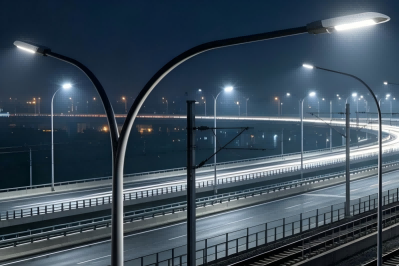
Street light poles are core infrastructure components for urban road and public lighting, requiring rigorous manufacturing processes to ensure structural stability, wind resistance, and long-term outdoor durability. Standard commercial street poles are predominantly fabricated from structural steel, engineered and produced in strict accordance with international specifications including AASHTO, BS EN, and AS/NZS. Professional manufacturers adopt standardized cutting, forming, welding, surface treatment, and quality inspection workflows to deliver customizable, weather-resistant poles that adapt to diverse municipal, traffic, and smart city project requirements.
Key Takeaways
- Morelux manufactures specialized steel poles for a wide range of lighting projects. These poles are robust and durable, with a long service life in urban environments.
- Their manufacturing processes include bending, welding, sandblasting, galvanizing, and powder coating. These processes enhance the strength of the steel poles and help prevent rust.
- Rigorous testing and adherence to international standards ensure the safety and strength of the steel poles. They are ideal for outdoor lighting projects.
Fabrication Process of Street Light Poles

Bending and Welding
Streetlight poles are formed from steel plates. Workers use cold rolling and bending machines to shape the steel plates into the required forms. Bending machines bend the steel plates. Rolling machines roll the steel into round or conical shapes. These steps help manufacture standard and heavy-duty streetlight poles suitable for various applications.
Welding connects the various components of the streetlight pole. Skilled workers use manual arc welding, gas shielded welding, and laser welding. Each welding method ensures the strength of the streetlight pole. Welding firmly connects the base, pole body, and other components together. This makes the streetlight pole safe and reliable, able to withstand strong winds. This process helps extend the lifespan of the streetlight pole and enables it to meet lighting needs.
Morelux conducts quality inspections at every stage. The company follows standards such as BS EN and AASHTO to ensure the safety of the streetlight poles. Customers can choose sizes, installation methods, and other features. This helps meet the needs of numerous users worldwide.
Sandblasting and Galvanizing
After welding, the light pole undergoes sandblasting. Sandblasting cleans the surface, preparing it for subsequent processes. Clean steel helps coatings adhere better and prevents rust. Sandblasting also improves the appearance of the light pole.
Next, the light poles undergo galvanizing. They are immersed in a hot-dip galvanizing layer. This zinc layer forms a protective film on the steel surface. Even if the light pole is scratched, this protective film prevents rust. Galvanized light poles are more durable and less prone to problems than aluminum or fiberglass poles. This step helps the light pole withstand harsh weather and humid environments, which is crucial for outdoor lighting.
Powder Coating and Surface Treatment
The final step is powder coating and surface treatment. Morelux uses a special powder coating to create a tough coating on the light pole surface. The powder is heated to form a hard coating. This coating prevents rust and gives the light pole an attractive appearance. Powder coating also prevents white rust, reducing maintenance needs.
Some projects require a two-layer process. This means the light pole needs to be galvanized and then coated with a special powder coating simultaneously. A double-layer galvanizing system extends the service life of utility poles by 1.5 to 2.5 times compared to simple galvanizing. It provides two layers of protection, making it suitable for harsh environments and contributing to a longer pole lifespan.
The table below lists the main surface treatment methods and their advantages:
| Technique | Description | Contribution to Longevity and Aesthetics |
|---|---|---|
| Powder Coating | Dry resin powder put on with static electricity, then heated | Stops white rust, means less fixing is needed |
| Duplex System | Galvanizing plus special powder coat | Makes the pole last 1.5–2.5 times longer, looks better |
Street light poles from Morelux help modern lighting, fight rust, and last a long time. The factory cares about quality, custom choices, and making things well.
Street Light Poles Quality Checks
Inspection and standards
Street light poles must pass strict checks before leaving the factory. These rules include ASTM, ANSI, EN, and ISO. Certification groups like ILAC MRA signatories, CNAS, A2LA, UKAS, and IAF verify that the poles meet these standards. In Europe, CE Certification is required, and CB Certification checks electrical safety.
The inspection process has several steps:
- Group poles with the same specs and label them.
- Pick samples using the ISO 1461 guide.
- Measure different parts of the poles for accuracy.
- Use magnetic gauges to check coating thickness.
- Compare results with set limits.
- Fix and record any damage found.
Morelux also has ISO 9001 and ISO 14001 certificates. These show the company cares about quality and the environment. They use non-destructive testing to check welds and make sure the zinc coating meets ASTM A123. These steps help stop rust and keep the poles strong and resistant to corrosion for a long time.
| Step | Description |
|---|---|
| 1 | Set strict limits and coating systems for durability. |
| 2 | Make sure hot-dip galvanization meets ASTM A123 with 3.0–3.9 mils zinc. |
| 3 | Use a duplex system for painted finishes. |
| 4 | Test welds with ultrasonic or magnetic particle inspection. |
Packaging and Shipping
The factory uses robust packaging to ensure all components are protected during transport. Workers wrap each light pole to prevent scratches and rust. The company labels each package for tracking and ensures safe delivery.
Delivery to international customers takes approximately 6 months, including light pole production and shipping. Good packaging and careful shipping help reduce repairs and ensure the light poles can be installed directly in public areas.
Morelux’s quality inspection and packaging help prevent problems and improve outdoor safety. These measures also enable the light poles to withstand hurricanes and are suitable for outdoor lighting even in severe weather. Compared to aluminum and fiberglass light poles, steel light poles offer better rust resistance and lower maintenance costs. This makes them a smart choice for lighting and security projects.
Morelux uses new methods and careful checks to make street light poles. They also let customers choose special options for their projects. The company has lots of experience and important certificates. This helps them make strong and dependable poles for many uses.
FAQ
How does Morelux customize street light poles for different projects?
Morelux can produce light poles in various heights and shapes, and offers different surface finishes. The factory communicates with customers to understand their needs, ensuring that each project receives the appropriate lighting equipment and poles.
What quality standards do Morelux steel light poles meet?
Morelux follows standards such as BS EN, AASHTO, and ASTM. Each pole undergoes rigorous safety and strength testing.
What is the lead time for wholesale street light pole orders?
The lead time for large-volume orders is approximately six months. Morelux handles the production and shipping of the light poles, ensuring that B2B customers receive them safely and on time.