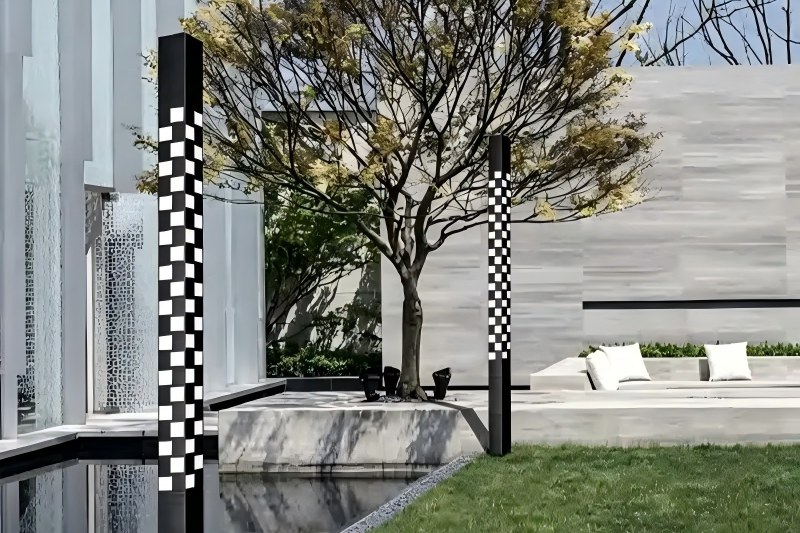
Choosing the right coating for your light pole can extend its lifespan and enhance its appearance. Powder coatings create a robust surface that can withstand harsh weather. Protective coatings prevent rust and make cleaning easier. A high-quality coating helps light poles remain durable and long-lasting in the city.
Key Takeaways
- Choosing the right coating for your light pole can enhance its strength and appearance, thus extending its lifespan in various environments.
- Proper surface treatment using premium processes such as powder coating and galvanizing helps prevent rust and reduces maintenance needs.
- Companies like Morelux offer custom coatings, providing unique options for each project, ensuring your light pole is both functional and aesthetically pleasing.
The process of coating light poles
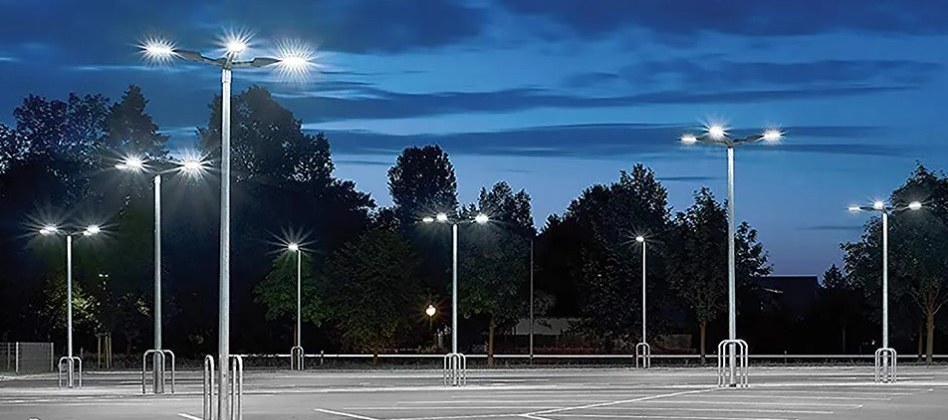
Light poles require a special coating to ensure durability and aesthetics. A meticulous process is employed to create a robust coating for the steel poles. Each step helps maintain the pole’s strength and prevent rust. A proper coating can extend the pole’s lifespan, reduce maintenance costs, and enhance its appearance.
Surface Treatment
Surface treatment is crucial for coating. The factory follows specific procedures to clean the steel poles before painting. The table below lists some of the factory’s procedures:
| Standard Code | Description |
|---|---|
| SSPC-SP 1 | Solvent Cleaning: Removes oil, grease, soil, and soluble contaminants. |
| SSPC-SP 2 | Hand Tool Cleaning: Removes loose rust, paint, and mill scale. |
| SSPC-SP 3 | Power Tool Cleaning: Uses power tools for deeper cleaning. |
| SSPC-SP 6/NACE 3 | Commercial Blast Cleaning: Removes most rust and paint; some stains remain. |
| SSPC-SP 10/NACE 2 | Near-White Metal Blast Cleaning: Removes almost all stains. |
| SSPC-SP 5/NACE 1 | White Metal Blast Cleaning: Removes all rust, paint, and stains. |
Factories use different ways to clean poles and help coatings stick:
- Isopropyl alcohol takes away light oils and grease.
- Alkaline detergents break down things like dirt.
- Citrus-based cleaners are safe for the environment and remove oils.
- Deionized water with detergents washes away things that dissolve in water.
Mechanical cleaning, such as automatic shot blasting, is the industry standard for structural steel. This method effectively removes mill scale, rust, and old coatings to achieve a surface profile that complies with ISO 8501-1 Sa 2.5 or SSPC-SP 10 standards. Proper mechanical etching optimizes the mechanical bond, ensuring superior coating adhesion and a significantly extended service life.
Main Corrosion Protection
After cleaning, the next step is rust prevention. This coating protects the steel light pole from harsh weather and extends its lifespan. Different coatings are used in factories to protect the light poles:
- Powder coating: Makes a hard finish that does not chip or scratch easily.
- Galvanizing: Dips poles in zinc to make a shield against rust.
- Anodizing: Adds a special layer to aluminum poles using electricity.
The table below shows how well each protection method works:
| Method | Description | Effectiveness Rate |
|---|---|---|
| Hot-dip Galvanizing | Zinc coating protects steel by sacrificing itself. | Extends service life by 30-50 years in normal use. |
| Powder Coating | Durable finish resists chipping and scratching. | Lasts longer than conventional paint. |
| Cathodic Protection | Uses sacrificial anodes or current to redirect corrosion. | Effective for critical components. |
| Anodizing | Protective oxide coating for aluminum poles. | Creates a corrosion-resistant surface. |
| Weathering Steel | Corrosion-resistant material. | Suitable for demanding applications. |
For high-corrosion environments (classified as C4 or C5 under ISO 12944), standard steel light poles require a duplex system—combining hot-dip galvanizing with an epoxy primer and a polyurethane topcoat. This synergistic coating barrier shields the steel from chloride attack, providing a documented service life exceeding 25 years in coastal areas.
Electrostatic Powder Coating
Electrostatic powder coating is a common coating method for steel light poles. This method uses charged dry powder sprayed onto the light pole. The powder adheres to the metal surface and provides a uniform cover. After coating, the light pole is placed in an oven for baking.
Powder coating has many advantages:
- Durability: The finish is strong and lasts longer than paint.
- Resistance: It protects from sunlight and rust, so it works well outside.
- Environmental friendliness: Powder can be reused and recycled, so there is less waste.
- Application: One coat makes a thick, smooth, and even finish.
- Cost-effectiveness: Using materials well and fast curing saves money and time.
At MORELUX, we utilize automated electrostatic powder coating production lines to deliver uniform, high-performance finishes. Customers can select from a wide range of RAL colors and architectural textures (such as gloss, matte, or sand-texture). This professional application ensures the light poles achieve the perfect balance of architectural aesthetics and heavy-duty performance.
Curing
Curing is the final step in coating utility poles. The coated poles are then placed in an oven. High temperatures melt the powder and cause it to adhere to the metal. Oven temperatures are typically between 350°F and 450°F. The appropriate temperature and time depend on the type of powder and utility pole.
Proper curing triggers the chemical cross-linking of the polymer resins, creating a dense, continuous protective film. This molecular bond is crucial for ensuring the coating achieves its rated flexibility, impact resistance, and long-term weathering characteristics under extreme outdoor exposure.
Tip: Fast curing means factories can finish light poles quickly. This helps projects finish on time.
Coating and Surface Treatment Types
The factory offers various coating and surface treatment processes for light poles. The table below lists the main types and their applications:
| Type of Coating/Finish | Description | Application Process |
|---|---|---|
| Powder Coating | Dry powder baked onto the pole for a tough finish. | Applied electrostatically, then cured with heat. |
| Galvanizing | Zinc coating prevents corrosion. | Dipped in zinc solution, coats inside and outside. |
| Anodizing | Protective oxide layer for aluminum poles. | Electrolytic process, color chosen before coating. |
| Nano-Coating | Superior protection against weather and corrosion. | Surface layer repels water, dirt, and oil. |
| UV-Resistant Coating | Prevents fading and material breakdown from sunlight. | Applied as a protective layer. |
| Anti-Graffiti Coating | Prevents graffiti adhesion or allows easy cleaning. | Sacrificial or permanent, reapplied as needed. |
Morelux’s Expertise in Custom Surface Finishes
Integrating premium carbon steel with an advanced hot-dip galvanizing process, MORELUX ensures every street and high-mast light pole is structurally engineered to resist atmospheric corrosion. We offer full-service custom finish capabilities, including dual-layer electrostatic powder coating tailored to specific regional wind loads and climate categories. By maintaining rigorous QA/QC protocols across our manufacturing facilities, MORELUX successfully fulfills high-volume municipal contracts and bespoke architectural projects with verified structural longevity.
Why is Pole Coating So Important?
Pole coatings help protect steel poles and enhance their appearance. Manufacturers, distributors, and users choose different coatings for a variety of reasons. These coatings can extend the lifespan of the pole and reduce maintenance. A suitable coating helps the pole remain robust in harsh environments. It also maintains the pole’s aesthetic appeal and saves money for the city.
Corrosion Resistance
Corrosion resistance is a major advantage of pole coatings. Steel poles rust due to rain, humid air, and pollution. Rust makes the pole brittle and unsafe. Hot-dip galvanizing creates a zinc layer on the pole’s surface. This zinc layer repels water and air, allowing the pole to last 25 to 50 years, even in coastal areas.
| Environment Category | Hot-Dip Galvanizing Zinc Corrosion Rate (µm/year) | Expected Lifespan (Years) |
|---|---|---|
| Very Low (Dry Indoor) | ≤0.1 | 50+ |
| Low (Urban Inland) | >0.1 to ≤0.7 | 25-50+ |
| Medium (Coastal/Industrial) | >0.7 to ≤2.1 | 25-50+ |
| High (Calm Seashore) | >2.1 to ≤4.2 | 25-50+ |
| Very High (Surf Seashore) | >4.2 to ≤8.4 | 25-50+ |
| Extreme (Ocean/Off-shore) | >8.4 to ≤25 | 25-50+ |
Powder coating adds a strong shield that blocks water and chemicals. Nano-coating is a thin, clear layer that stops rust before it starts. Morelux uses special coatings for different jobs, like city streets or factories.
Weather Resistance and UV Protection
Sun and wind exposure can damage light poles over time. UV-resistant coatings help maintain the vibrant color of the poles for years. Powder coatings do not fade or whiten in sunlight and are therefore commonly used outdoors. Fluorocarbon coatings (such as PVDF) offer excellent sun protection, keeping light poles looking new for extended periods.
Polyurea and aliphatic polyurea coatings retain their shine and color even after prolonged sun exposure. This means the light poles are both robust and aesthetically pleasing, making them ideal for parks and upscale locations.
Nano coatings also effectively resist rain, salt, and polluted air, making them particularly suitable for coastal or humid urban environments. The table below shows the performance of various coatings in harsh environments:
Impact & Scratch Resistance
Light poles in busy places get hit and scratched a lot. The right coating keeps poles looking nice and working well. Powder coating makes a hard shell that stops scratches and dents. Tests show powder-coated poles can take hard hits and still look good.
| Test | Powder Coating Results |
|---|---|
| Adhesion | No failure in crosshatch test |
| Pencil Hardness | 2H minimum |
| Impact Test | 150 inch pounds direct and reverse |
| Salt Fog Testing | 2,500+ hours with no creepage |
| Weathering | 95% gloss retention after 1,000 hours |
Nano-coating adds another tough layer on top. Polyaspartic and polyurea finishes are both hard and bendy. This helps in places with lots of people or cars. Morelux gives custom finishes for each project, so poles last longer and look better.
Reduced Maintenance
Superior coatings and surface treatments mean less maintenance and cleaning. Powder and nano coatings make utility poles easy to maintain. UV-resistant coatings keep colors vibrant for years. Anti-graffiti coatings make removing paint or stickers a breeze.
| Coating Type | Benefits |
|---|---|
| Powder Coating | Provides durability, corrosion resistance, and UV protection, reducing maintenance frequency. |
| Galvanizing | Prevents corrosion by coating the pole inside and out, extending lifespan. |
| Anodizing | Creates a durable, corrosion-resistant surface for aluminum poles. |
| Nano-Coating | Offers superior protection against corrosion and environmental factors. |
| UV-resistant Coatings | Prevents color fading and material degradation, maintaining appearance. |
| Anti-graffiti Coatings | Reduces maintenance by preventing graffiti adhesion, saving on cleanup costs. |
Cities and builders save a lot of money with these coatings. Less fixing means more money for other things. Morelux helps people pick the best finish for every place, from busy roads to parks by the sea.
Picking the right light pole finish makes poles last longer, need less fixing, and keeps public places looking nice.
Common Light Pole Coating Methods & Materials
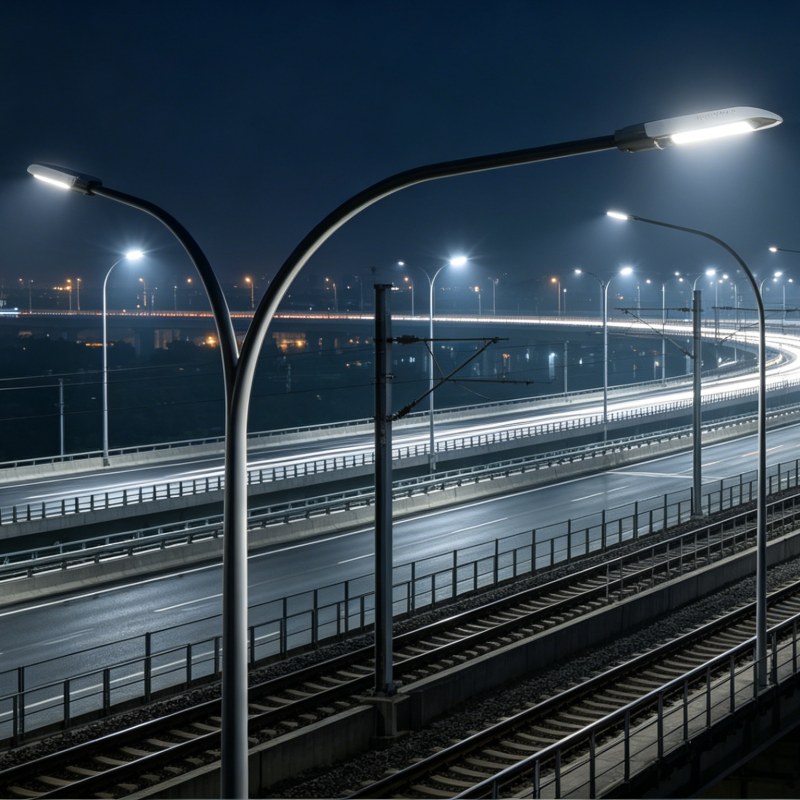
Hot-dip galvanizing (HDG)
Manufacturers use hot-dip galvanizing to prevent steel light poles from rusting. They immerse the pole in a zinc bath, creating a thick, uniform zinc coating on the surface. The zinc adheres firmly to the steel, making it stronger and more durable. This coating is long-lasting. In the factory, this method provides better protection than electroplating. Because of the thicker zinc layer, it also maintains weather resistance for a longer period, even in harsh weather conditions. The table below shows the zinc coating thickness for different sizes of steel:
| Steel Wall Thickness | Minimum Zinc Coating Thickness |
|---|---|
| 1/8″ to 1/4″ | 3 to 4 mils (0.003″ to 0.004″) |
| 6–10 mm | 70 µm |
| > 6 mm | 85 µm |
Hot-dip galvanizing means less fixing is needed. This saves money for suppliers and builders.
Electrostatic Powder Coating
Electrostatic powder coating involves spraying dry powder onto a metal rod. The spray gun charges the powder, causing it to adhere to the metal surface and form a smooth, uniform coating. The coating has strong adhesion. Factories use different powders to achieve customized surface treatments.
| Powder Type | Properties | Applications |
|---|---|---|
| Epoxies | Hard, chemical resistant, not for outdoors | Indoor use |
| Super Durable Polyesters | Durable, keeps color, resists weather | Outdoor use |
| Epoxy-Polyester Hybrids | Good looks, resists weather, cost-effective | Decorative items |
| Fluoropolymers | Top weather and color retention | Architecture |
| Urethanes | Smooth, durable, chemical resistant | Equipment |
Powder coating makes less waste. It is better for the environment than some other coatings.
Fluorocarbon/Acrylic Coatings
Fluorocarbon (PVDF) and liquid acrylic coatings offer premium topcoat options that enhance the visual profile of steel and aluminum light poles. Formulated with strong carbon-fluorine bonds, PVDF coatings provide unmatched resistance to severe UV radiation, chemical exposure, and chalking, preventing fading or yellowing for up to 20 years. Acrylic topcoats offer an adaptable, highly weather-resistant finish with low VOC (Volatile Organic Compound) emissions, aligning modern infrastructure projects with strict environmental and sustainability criteria.
Tip: Picking the right coating and finish helps every light pole last longer and look better.
Choosing the right coating can extend the lifespan of your light pole and enhance its appearance. Proper coating application can strengthen the pole. Good maintenance ensures its safety. Companies like Morelux allow customers to choose coatings tailored to the specific needs of each project. The best coating not only saves costs but also perfectly matches the pole’s installation location. Suppliers help customers find the most suitable solution for each project.
FAQ
Which coating is the most durable?
Hot-dip galvanizing is the most robust coating. Many companies, such as Morelux, use this coating to protect steel light poles from rust for years.
Can suppliers provide custom coatings for different environments?
Yes. Companies like Morelux can produce special coatings, including powder coatings and UV-resistant coatings. These coatings are suitable for different projects and climatic conditions.
How often should light pole coatings be maintained?
Most factory-produced coatings should be inspected every 2 to 3 years. Timely cleaning and repair of minor issues will keep the light pole looking good and extend its lifespan.