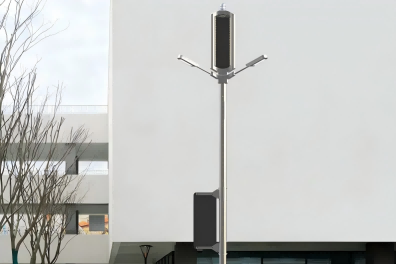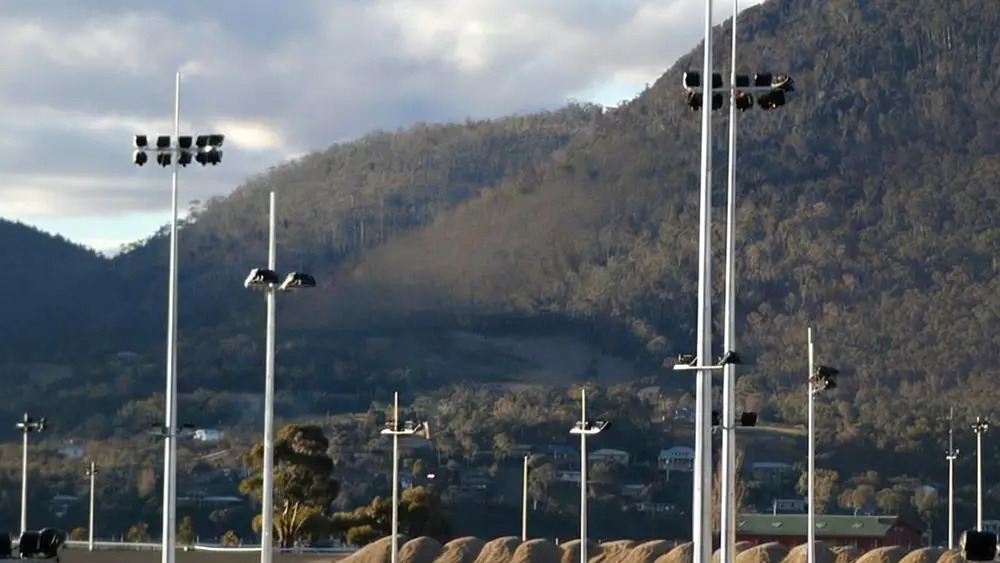
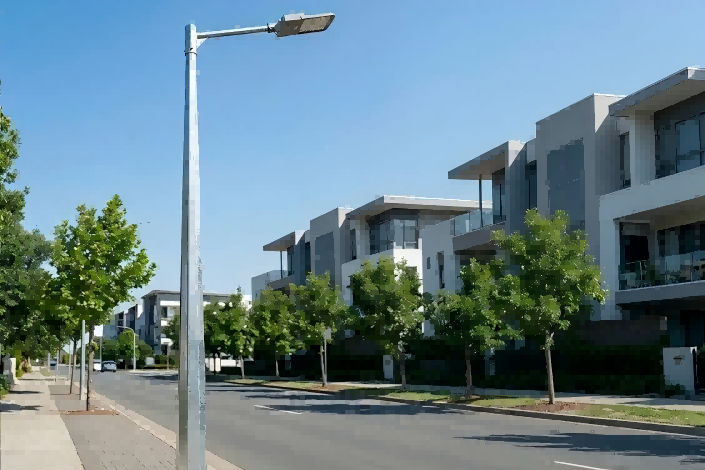
The difference between conical and octagonal poles mainly lies in geometric shape, structural design and mechanical performance. Conical poles feature round cross-section with gradual diameter reduction from bottom to top, while octagonal poles consist of eight flat planar sides. Both are predominantly fabricated from structural steel for street lighting, traffic signal mounting and landscape decorative applications, and proper type selection improves long-term operational stability of outdoor infrastructure.
Key Takeaways
- Conical poles adopt seamless smooth round tapered geometry; octagonal poles are defined by eight flat sides. Final selection should align with on-site engineering parameters and project design goals.
- Octagonal poles deliver superior structural rigidity and anti-deflection performance, ideal for highway layouts and high-wind exposure regions; conical poles are widely specified for residential districts and urban park landscaping.
- Core selection factors include wind load resistance, field installation convenience, architectural coordination and long-term maintenance cost.
Difference Between Conical and Octagonal Poles
Shape and Structure
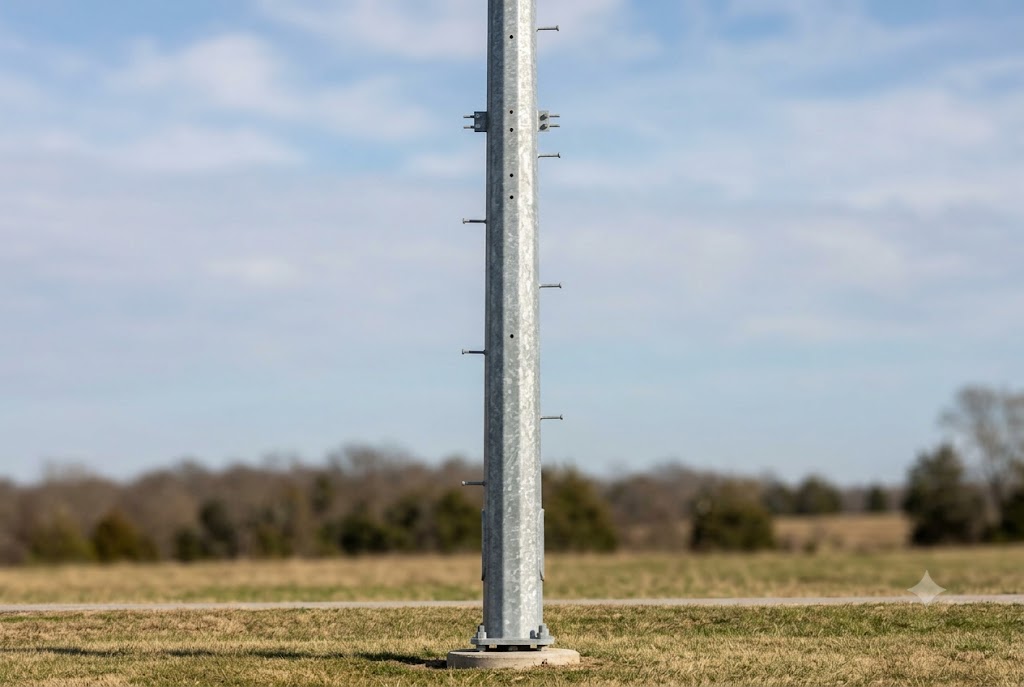
Core distinctions originate from cross-sectional geometry. Conical poles are circular and tapered upward gradually; streamlined outer contour optimizes airflow passing the pole body. Octagonal poles are constructed with eight flat straight facets, which improves torsional and bending rigidity. Both mainstream types use structural steel as base raw material to achieve high tensile strength and heavy load capacity, and geometric characteristics directly decide adaptability for different application environments.
Manufacturing Methods
Strict production specifications apply to both pole variants. Conical galvanized steel lighting poles are manufactured under ISO 9001 quality management standards, which regulates full-process quality control of raw material inspection, forming and anti-corrosion finishing for public infrastructure compliance. Octagonal pole fabrication requires certified welding complying with AWS D1.1 structural steel welding standard; manufacturers commonly adopt CO₂ gas shielded arc welding to minimize welding defects such as cracks and incomplete fusion, securing structural integrity and surface finish consistency. Continuous upgrade of raw material and processing techniques has steadily boosted octagonal pole performance over the past decade. Manufacturers support configurable parameters including overall height, surface finish and base installation form to match project specifications.
Visual and Design Appeal
Aesthetic matching is a vital consideration for municipal and landscape design.Conical poles own minimalist smooth circular outlines that integrate naturally into conventional urban blocks and industrial zones; lower wind drag coefficient also helps control overall engineering expenditure for large-scale lighting rollouts.Octagonal poles carry crisp angular modern styling with reinforced mechanical strength, suitable for integrated smart city lamp assemblies and scenic park construction. Most conventional octagonal poles range from 4 m to 10 m in nominal height, well suited for arterial highways, urban roads, residential communities and open green spaces.
Strength and Stability of Poles
Load-Bearing and Wind Resistance
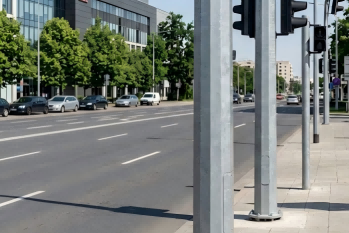
Outdoor poles need to withstand lateral wind load and vertical fixture weight. Octagonal poles excel in uniform load distribution against bending and torsion; structural design can be engineered to satisfy Grade 6 seismic resistance and Grade 8 wind load per local building load codes, maintaining stable performance under extreme storm or seismic events thanks to multi-facet force dispersion design. Conical poles also achieve qualified anti-deformation performance: smooth curved surface reduces wind impaction to mitigate pole deflection. Both steel pole types can reliably secure top-mounted lighting and auxiliary equipment under standard design conditions. Finished poles undergo factory mechanical inspection to verify compliance with relevant structural codes.
Durability in Different Environments
Poles are exposed to varied corrosive conditions including coastal salt fog, industrial chemical pollution and urban atmospheric contamination; material specification matches ambient environment directly determines long-term durability.
| Environment Type | Recommended Pole Base Material | Durability Considerations |
|---|---|---|
| Inland urban and highway | Structural steel | Cost-effective for conventional municipal construction |
| Humid coastal regions | Aluminum / Fiber-reinforced composite | Enhanced anti-salt-spray coating required to extend service life |
| Chemically contaminated industrial zones | Fiber composite | Excellent inherent corrosion resistance against chemical erosion |
Standard steel is the preferred option for inland road and city projects; aluminum or composite alternatives perform better in coastal and chemically aggressive areas. Regardless of octagonal or conical shape, proper material matching effectively restrains permanent bending or structural failure and extends pole service life.
Octagonal vs vs Conical
Key Features Comparison
Octagonal poles feature eight flat sides to maximize structural rigidity and restrict torsion and flexure; civil engineers prioritize this variant for high-wind locations or projects with heavy top-load equipment. Conical tapered round geometry guides smooth airflow to cut wind impact and lower deflection risk. Both products use high-grade structural steel as core material. Precision forming and welding equipment is adopted to control dimensional tolerance and structural consistency during production.
| Feature | Octagonal Poles | Conical Poles |
|---|---|---|
| Shape | Eight flat polygonal facets | Smooth circular tapered profile |
| Bending Resistance | Excellent | High |
| Torsion Resistance | Excellent | High |
| Visual Appeal | Sharp, contemporary angular look | Neat, streamlined minimalist style |
| Common Use | Arterial highways, smart city integrated lighting | Urban local streets, industrial premises |
When to Choose Each Type
The project decides which pole is best. Octagonal poles are great for highways and bridges. They are also good for windy places. Their shape makes them extra strong. Conical poles are good for city streets and parks. They look nice in many places. People who buy lots of poles ask the factory for help. A good supplier like Morelux can help pick the right pole.
Tip: Always check how much wind and weight the place has. This helps you pick a pole that will not bend or twist later.
Octagonal vs Conical Poles: Applications
Urban and Highway Lighting
Octagonal poles are widely deployed on urban arterial roads and highways; multi-sided geometry improves stability under frequent strong wind, keeping vertical alignment long-term. Conical poles dominate pedestrian walkways and community park lighting thanks to elegant rounded appearance. Both versions can be manufactured in steel, aluminum or fiberglass across multiple height specifications.
| Pole Type | Common Applications | Key Features |
|---|---|---|
| Octagonal | Urban corridors, highways | Stability, modern look |
| Conical | Parks, walkways, residential | Elegant design, smooth taper |
Decorative and Infrastructure Uses
Octagonal poles serve dual roles of landscape decoration and heavy-duty municipal infrastructure; robust mechanical properties make them suitable for coastal and windy districts. Conical poles feature flexible appearance design to coordinate with residential and public landscape planning, optimizing overall lighting layout and urban aesthetics.
Octagonal structure restricts irregular torsion and bending for extended service in harsh operating environments.
Conical streamlined styling matches diversified urban architectural design requirements.
Custom dimension and surface treatment can be configured to satisfy unique site construction requirements.
Octagonal Rods in Practice
Octagonal rods are used in real projects. For example, a project near Lake Victoria changed conical poles to octagonal ones. This helped the poles stand up to strong winds. The new poles were steadier and bent less. Morelux lets customers pick height, diameter, and finish. They help with big orders and custom needs. Their steel poles work for highways and sports fields.
Note: Custom poles help fit special project needs. This makes sure every pole works well where it is used.
Installation and Maintenance
Ease of Installation
Flat outer facets of octagonal poles provide convenient gripping points for lifting and positioning during construction, lowering installation difficulty; standardized factory production ensures uniform dimensional consistency to avoid deformation under hoisting stress. Available in diversified size specifications to match various engineering needs, pre-equipped standard mounting accessories help shorten field construction cycle, making octagonal poles popular for large-scale highway and urban lighting projects.
Conical poles also support rapid field erection; smooth curved exterior facilitates positioning adjustment, and high-strength steel balances lightweight design and structural performance. Both variants adapt to bulk centralized procurement for large lighting rollouts.
Tip: Always check if the ground is level before starting. This helps prevent bending or twisting later.
Maintenance Needs
Octagonal steel poles require minimal routine maintenance; qualified factory coating shields substrate against atmospheric corrosion and weather aging, retaining original geometry for decades. Optional powder coating treatment can be added for extra anti-corrosion protection for coastal or heavily trafficked regions, with customized coating formulas available for severe corrosive environments.
Conical poles also feature low maintenance demand: smooth outer surface repels dust and rainwater accumulation effectively. High-quality base material and standardized surface treatment extend service lifespan for both pole types, making octagonal specification a mainstream pick for cities pursuing low-lifecycle-cost lighting infrastructure.
Choosing the Right Pole for Your Project
Factors to Consider
Multiple indicators govern pole specification selection. Octagonal poles with superior anti-deflection performance are preferable for high wind exposure zones and high-traffic arterial roads where structural safety is critical. Conical tapered round design delivers outstanding landscape compatibility and reliable weather resistance for scenic and residential layouts. Key evaluation indicators include regional design wind speed, live traffic volume, landscape coordination requirement and available construction space.
Core selection checklist:
- Calculated local wind load and allowable pole deflection limit
- Site pedestrian/vehicle flow and specified safety standards
- Architectural coordination with surrounding urban landscape
- Field construction space and installation convenience
Cost and Customization Options
Pole total cost is determined by raw steel grade, forming craft and anti-corrosion coating type; decision-making needs full lifecycle cost evaluation instead of only initial procurement price, as low-spec inferior poles bring extra repair and replacement expenditure down the line. Customization items including pole height, surface finish and base mounting style alter finished product performance and overall cost accordingly.
| Pole Type | Customization Features | Impact on Costs |
|---|---|---|
| Conical Poles | Last longer, look nice, save space | Cost more at first, need less fixing |
| Octagonal Poles | Look modern, very strong, can be used in many ways | Cost is not too high, work very well |
Project leaders should talk to the factory or supplier to get good quality for a fair price. Morelux helps people pick the best steel poles for their projects.
- Conical and octagonal poles are different in shape and style.
- Octagonal poles look new and last a long time.
- Picking the right pole helps the project work well.
| Type of Pole | Application Description | Key Considerations |
|---|---|---|
| Street Lighting Poles | These poles are tall and strong. They hold heavy lights. | They must be tough and made well. |
| Decorative Poles | These poles make parks and paths look nice. | They should fit the area’s style. |
Morelux gives custom help and advice for every project.
FAQ
What is the main difference between conical and octagonal poles?
Conical poles are round and smooth. Octagonal poles have eight flat sides. Each kind has its own strengths and looks. Both are good for lighting projects.
Can Morelux provide custom steel poles for special projects?
Yes. Morelux is a trusted company. They make custom steel poles for different projects. Their factory can change height, finish, and mounting to fit what you need.
Which pole type is better for highways?
Octagonal poles are best for highways. Their strong shape holds heavy loads and stands up to wind. Many buyers pick them for big projects.