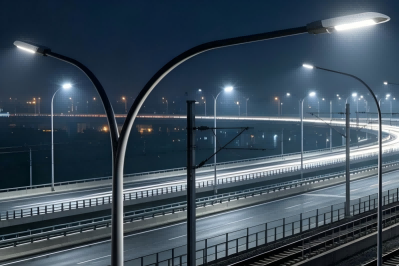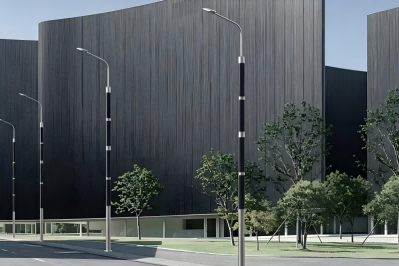
Defining street light pole technical specifications is essential to satisfy structural safety, long-term durability, and international engineering codes. Structural calculations must strictly align with either EN 40 (for European markets) or AASHTO LRFD Specifications for Structural Supports for Highway Signs, Luminaires, and Traffic Signals (for North American markets) to ensure public safety. Proper specification design lays the foundation for compliant municipal lighting construction.
Key Takeaways
- Pole height must be configured per specific road classifications: residential neighborhood poles commonly range from 4.5–6 m; arterial and highway poles extend to 7.5–15 m to achieve qualified road illumination width and uniformity.
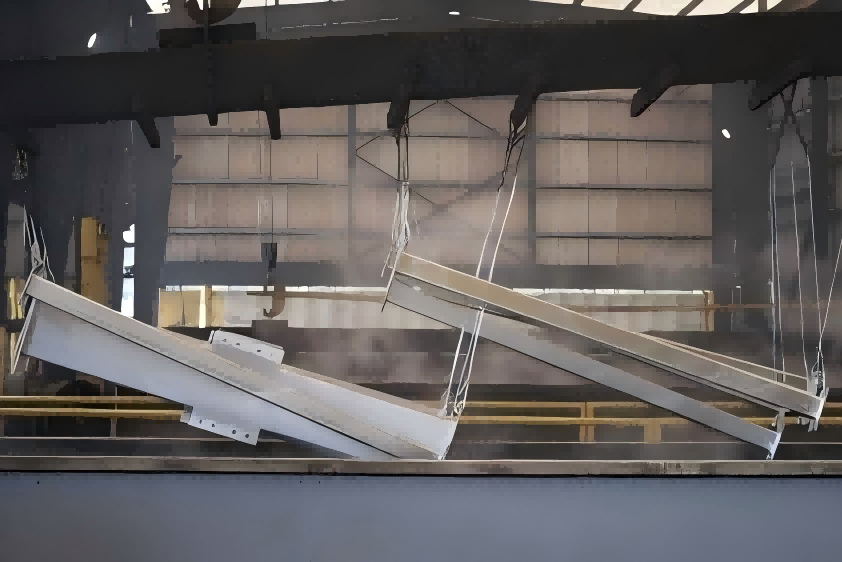
- Anti-corrosion surface treatments, primarily hot-dip galvanizing conforming to ISO 1461 or ASTM A123, are mandatory to mitigate rust damage from atmospheric humidity, industrial pollution, and coastal salt spray.
Street Light Poles Technical Specifications
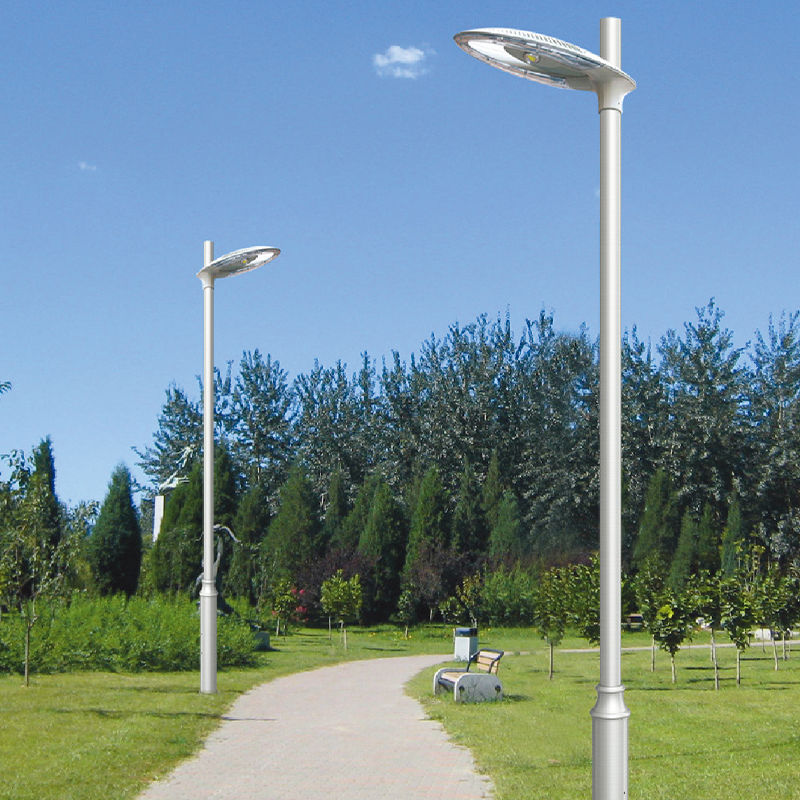
Dimensions and Height
Pole height is engineered according to road grade, carriageway width, override distances, and required lighting coverage calculated via DIALux simulation software. Taller poles are critical on high-speed arterial roads to reduce glare and optimize luminaire spacing.
| Place | Height Range (meters) |
| Neighborhood Streets / Residential Lanes | 4.5 m – 6.0 m |
| Arterial Roads & Expressways | 7.5 m – 15.0 m |
| Parks & Footpaths | 3.0 m – 4.5 m |
| Sports Fields & Stadiums | 12.0 m – 30.0 m+ (High Mast) |
| Commercial Plazas & Parking Lots | 6.0 m – 12.0 m |
High-speed highway poles typically adopt 10 m to 15 m dimensions to meet standard traffic visibility and safety levels; low-traffic rural residential roads generally use 4 m to 6 m poles. Qualified manufacturers like Morelux can produce custom-height poles engineered precisely to match site-specific lux level requirements.
Material and Wall Thickness
Raw material determines structural load capacity, anti-corrosion property and whole-life maintenance cost. Four mainstream pole materials are widely used in municipal engineering.
| Material | Advantages | Limitations |
|---|---|---|
| Steel | High tensile strength, favorable cost performance, excellent load capacity | Susceptible to atmospheric corrosion without qualified anti-rust coating |
| Aluminum | Natural corrosion resistance, lightweight, attractive finish | Higher initial procurement cost compared with carbon steel |
| Concrete | Outstanding compression resistance, low routine maintenance | Heavy dead weight leading to high transportation and installation expense, prone to surface chipping |
| Fiberglass | Non-conductive, superior corrosion resistance, low maintenance | Limited large-load bearing capacity for ultra-high specification poles |
Wall thickness of tubular steel poles follows EN 40 design formulas correlated with overall pole height.
Minimum wall thickness for tubular steel poles is directly dictated by structural bending moment calculations specified in EN 40-3-3 or AASHTO Section 5.
For carbon steel poles, high-strength structural steel grades such as ASTM A572 Grade 50 or S355JR (EN 10025) are utilized to guarantee the required yield strength. Morelux engineers verify wall thicknesses against these exact structural stress formulas during production to ensure resistance to localized buckling under extreme load conditions.
Corrosion Resistance and Coating
Outdoor poles face persistent erosion from rain, salt fog and industrial pollutants, so standardized coating systems governed by ISO1461 and SSPC are required for anti-corrosion protection.
| Coating Type | Core Function | Service Life Reference (vary by ambient environment) |
|---|---|---|
| Hot-dip galvanizing | Zinc alloy sacrificial anti-corrosion per ISO 1461 | 25~30 years in inland urban areas; shorter service cycle in heavy salt coastal/chemical industrial zones |
| Powder coating | Compact polymer barrier against UV and chemical erosion | Superior weathering performance compared to conventional liquid paint |
| Fluorocarbon topcoat | High-performance anti-aging and anti-corrosion finish | Stable surface appearance over 10 years under normal atmospheric conditions |
Wind Resistance and Structural Strength
Wind load design is implemented per local meteorological codes and AASHTO LTS-6; hurricane-resistant poles are engineered to withstand design wind speed ≥150 mph, typhoon-grade specification supports 200~250km/h wind loads.Factory incoming inspection and finished product verification cover four core testing items:
| Test Step | Implementation Method | Inspection Purpose |
|---|---|---|
| Raw Material Check | Review mill test certificate of base steel | Confirm base material mechanical property conforms to ASTM A500 |
| Welding Inspection | Magnetic particle testing for weld joints | Eliminate hidden welding crack defects |
| Galvanizing Test | Magnetic coating thickness gauge | Verify zinc layer thickness meets ISO1461 minimum requirement |
| Coating Finish Test | Cross-hatch adhesion test | Ensure coating bonding performance |
Wind load design must account for local maximum gust speeds, gust effect factors, and topographic categories. Under AASHTO standards, the Effective Projected Area (EPA) of the luminaire and bracket arm is calculated to determine the total dragging force on the pole shaft.
To ensure structural integrity, manufacturers must implement rigorous Non-Destructive Testing (NDT). Morelux conducts magnetic particle testing (MT) and ultrasonic testing (UT) on critical penetration welds—especially at the shaft-to-baseplate joint—to ensure complete weld penetration and eliminate potential fatigue cracks under dynamic wind-induced vibrations.
Components and Grounding
Standard pole accessories include high-strength anchor bolts, machined base plates and protective housing; built-in grounding lugs and conductors are essential for lightning and fault leakage protection following NEC and local electrical codes.
| Part Type | What It Is |
|---|---|
| Hardware | Bolts, base plates, covers for strength |
| Inside Parts | Grounding lugs, wires for safety, made to resist rust. |
| Building Rules | Heavy base plates spread weight evenly for stability. |
Grounding keeps people safe from electrical shocks and lightning. Good grounding uses rods at least eight feet long and 5/8 inches thick. They are placed straight in the ground and connected with wires. Checking and fixing grounding parts regularly is important.
| Best Practice | What To Do |
|---|---|
| Pick the Right Size | Use rods at least eight feet long and 5/8 inches thick. |
| Proper Setup | Place rods straight in the soil. |
| Regular Checks | Look at rods every year for damage. |
| Use Good Materials | Use zinc-coated rods for rust protection. |
| Lightning Safety | Add lightning protection in stormy areas. |
Street light pole specs cover risks like rust, wind, and electrical safety. Good planning, quality materials, and regular care help prevent problems. Companies like Morelux make custom poles for different projects. They follow global standards and make sure their poles work well and last a long time.
Compliance and LED Street Light Poles
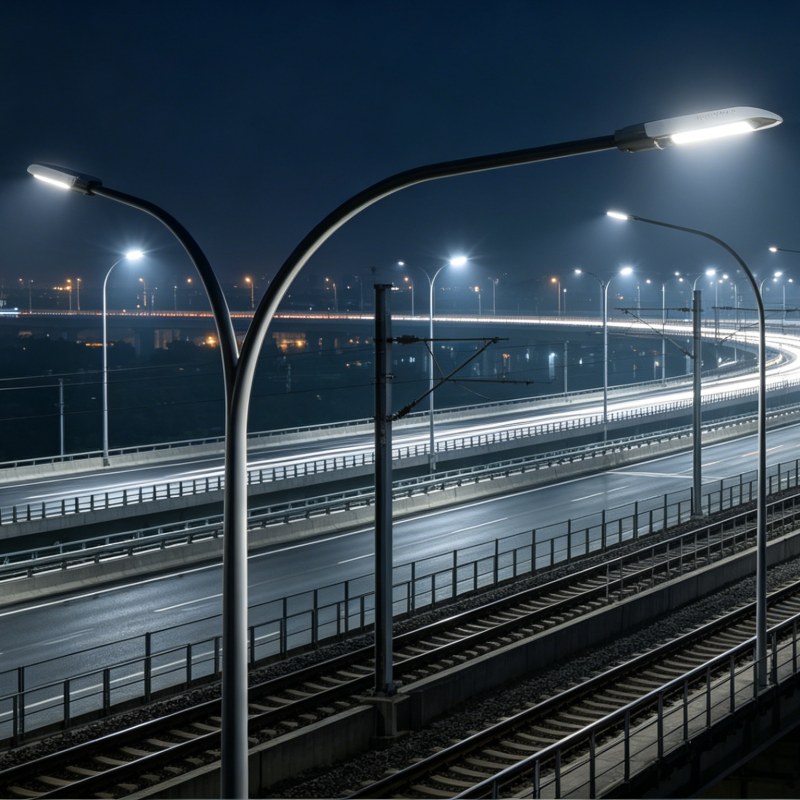
International Standards and Certifications
Global certification systems vary by sales territory, while core design codes unify around EN 40, AASHTO LTS-6, ISO9001, ANSI C136.37 and EN 60598-2-3; RoHS restricts hazardous substance content for EU market access.
Customization and Application Scenarios
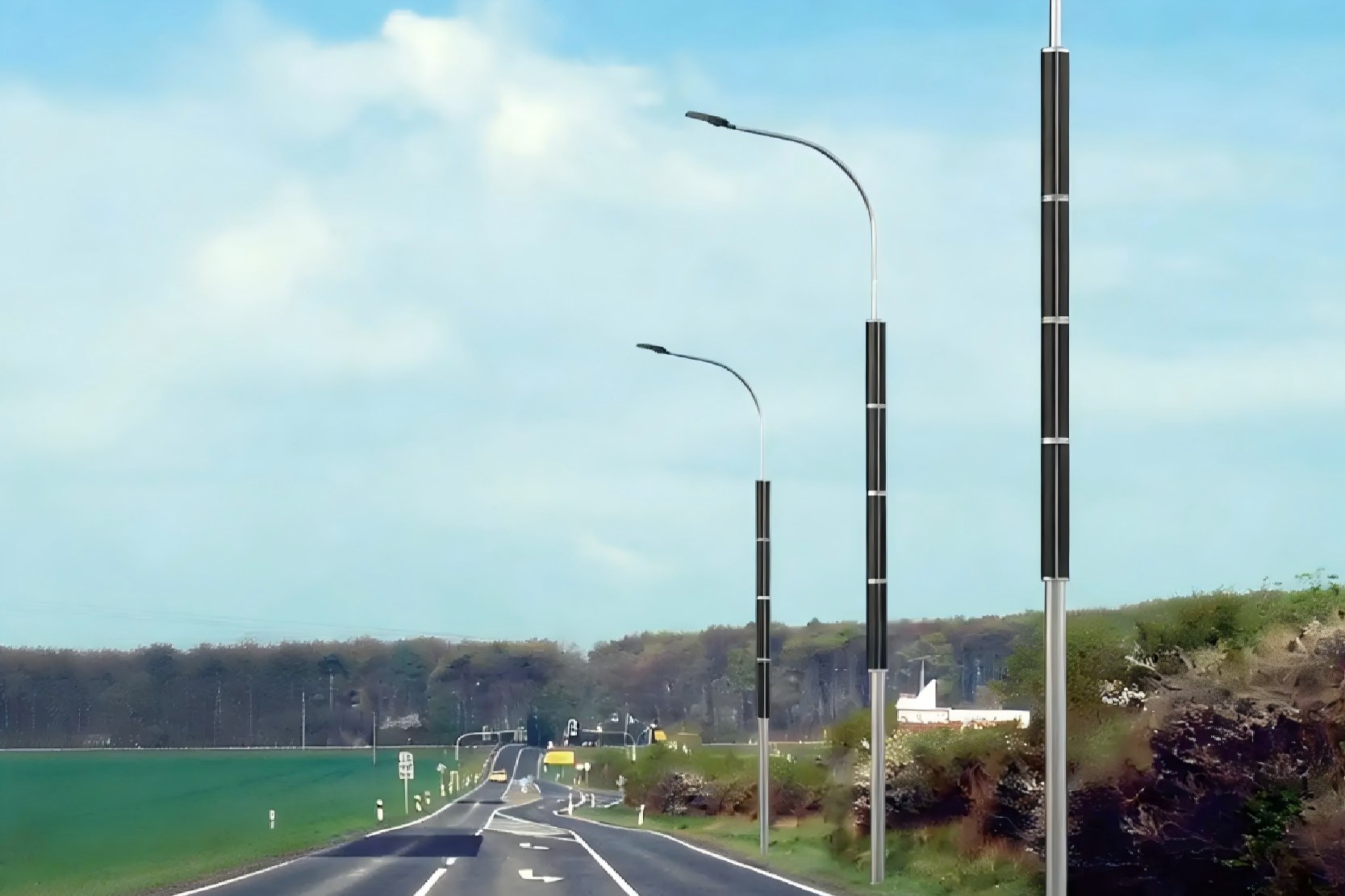
Pole customization covers height, wall thickness, lamp arm layout and surface anti-corrosion finish according to site wind load, attached component weight (LED lamps, smart sensors, 5G small cell equipment). Smart city integrated poles reserve internal wiring space for additional auxiliary devices on customized request.Street lighting poles are widely deployed on municipal roads, residential quarters, parks and commercial lots; modern integrated poles combine illumination, traffic monitoring and environmental sensing to realize intelligent energy regulation. Solar-integrated poles further cut long-term operational power consumption.
| Installation Type | Feature Description | Applicable Condition |
|---|---|---|
| Direct Burial | Pole lower section embedded directly into compacted soil, lower construction cost | Stable inland soil with low underground moisture |
| Anchor Base Mounting | Fixed on pre-cast concrete foundation via anchor bolt set | Loose soil, high-wind and coastal sites requiring enhanced stability |
Installation Methods
Manufacturers and builders use different ways to install led street light poles. The method depends on soil and project needs. The two main ways are direct burial and anchor-based installation.
- Direct Burial: The pole goes straight into the ground. This way costs less but exposes the pole to moisture. Moisture can cause oxidation and rust. Soil conditions must be checked to keep the pole stable.
- Anchor-based Installation: The pole is attached to a concrete base with bolts. This gives better support and stability. It works well in windy places or loose soil. It also helps stop corrosion and keeps the pole strong.
| Stage | Timeframe |
|---|---|
| Design/Planning | 2-4 weeks |
| Permitting | 2-6 weeks |
| Procurement | 2-4 weeks |
| Installation | 1-4 weeks |
| Total Project Duration | 2-4 months |
Morelux gives detailed specification sheets with their led street light poles. These sheets explain installation methods, grounding, and anti-corrosion treatments. Good installation helps poles last longer and work well.
Following street lighting safety standards is very important. Manufacturers must keep the right light levels, control glare, and make sure electrical safety. Led street light poles must use high-quality led lamps and be placed in the best spots. This makes streets safer, lowers environmental impact, and cuts maintenance costs.
Picking street light poles means you must think about many things. Height helps people see better and keeps them safe. Steel is strong and works well for cities. The size of the pole affects how sturdy it is. Wind resistance keeps poles safe during storms. Following rules makes sure everyone stays safe.
| Manufacturer | Quality Control | Compliance | Product Range |
|---|---|---|---|
| Morelux | Managed by experts, less than 0.03% returns | Meets world rules | Custom steel poles |
FAQ
What materials do manufacturers use to manufacture street light poles?
Steel, aluminum, concrete, and fiberglass are all commonly used materials. Manufacturers choose materials primarily based on their strength. They also consider the material’s lifespan and the specific requirements of the project.
How do suppliers ensure the corrosion resistance of street light poles?
Suppliers use coatings such as hot-dip galvanizing, powder coating, or fluorocarbon coatings. These coatings help prevent rust and extend the lifespan of the street light poles.
What certifications should factories provide for custom street light poles?
Factories need to provide certifications such as BS EN, AASHTO, AS/NZS, and ISO 9001. These certifications indicate that the street light poles meet international standards and have passed quality inspection.