Tubular steel lighting poles rely on standardized protective coating systems to resist corrosion, UV degradation, and mechanical wear in outdoor environments. Common industrial-grade treatments include hot-dip galvanizing, electrostatic powder coating, polyurethane topcoat, Chemthane 2260, and duplex coating systems. Each coating follows ISO 1461 and SSPC industry specifications to extend structural service life and maintain long-term pole stability.
Key Takeaways
- Protective coatings including hot-dip galvanizing and powder coating prevent steel pole corrosion, weather erosion, and surface damage under long-term outdoor exposure.
- Coating selection is determined by environmental severity, aesthetic requirements, and long-term maintenance budgets.
- Duplex and industrial-grade coatings such as Chemthane 2260 deliver superior protection for coastal, industrial, and high-pollution zones.
Coating Types for Tubular Steel Poles
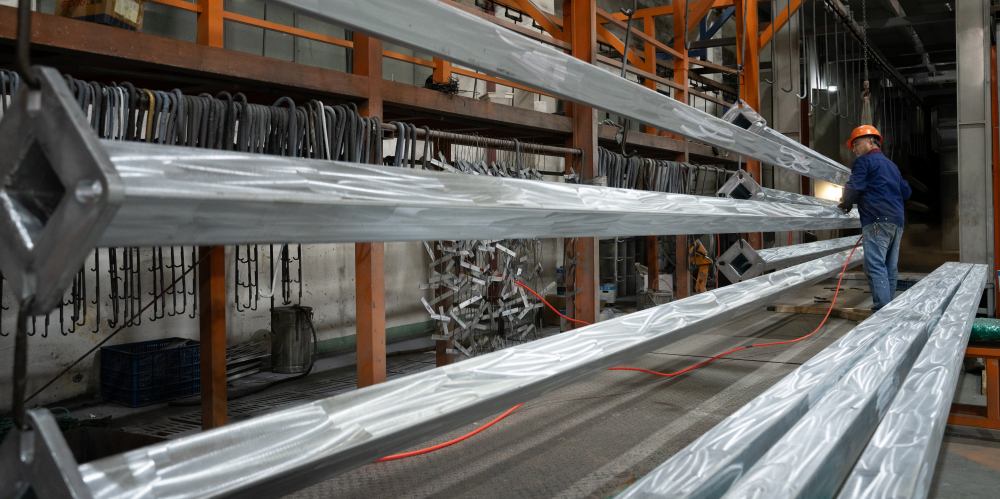
Professional pole manufacturers apply multiple coating technologies to enhance tubular steel pole durability for municipal and traffic infrastructure projects. These specialized surface treatments prevent rust formation, weather deterioration, and surface abrasion, allowing engineers and contractors to select matched finishes for specific site conditions.
Hot-Dip Galvanizing
Hot-dip galvanizing is the most widely adopted corrosion protection method for tubular steel poles, manufactured in compliance with ISO 1461 and ASTM A123 standards. The process immerses pre-cleaned steel in molten zinc at approximately 840°F (448°C), forming a tightly bonded zinc alloy layer on both internal and external pole surfaces.
Minimum zinc coating thickness varies by steel gauge: thin-wall steel achieves a minimum 1.8 mils coating, while heavy structural steel obtains over 3.9 mils. This full coverage provides sacrificial cathodic protection, preventing rust formation even if the surface suffers minor scratches. Properly galvanized poles deliver 30–50 years of service life in standard atmospheric environments with minimal maintenance.
A key advantage of hot-dip galvanizing is full internal and external coverage, protecting hidden inner wall areas that cannot be repaired after field installation.
Powder Coating
Powder coating provides tubular steel poles with high-performance physical protection and customizable aesthetic finishes. As an eco-friendly surface treatment with zero VOC emissions, the process uses electrostatic force to adsorb dry powder onto pre-blasted and cleaned steel surfaces.
After electrostatic powder spraying, the pole is thermally cured at a standard industrial temperature of 180–200°C (356–392°F) to form a dense, uniform, chip-resistant protective film. Finished powder coating passes standard salt spray and adhesion tests, offering strong resistance against UV fading, chemical erosion, and mechanical impact.
Available in diverse colors and textures, powder coating is widely used for urban roads, scenic zones, and landscape lighting projects that require unified visual aesthetics.
Chemthane 2260 & Polyurethane
Chemthane 2260 is a high-performance industrial coating formulated to enhance chemical and corrosion resistance for infrastructure steel. When paired with polyurethane topcoats, it forms a flexible, crack-resistant protective system that adapts to steel thermal expansion and contraction.
Polyurethane coatings feature excellent UV stability and surface toughness, effectively preventing peeling, chalking, and discoloration in high-temperature and strong-sunlight regions. Layered application further improves overall barrier performance for harsh industrial and coastal environments.
Duplex Coating Systems
A duplex coating system combines hot-dip galvanizing as the base anti-corrosion layer with powder or polyurethane topcoats as the outer protective and decorative layer. This dual-structure design integrates the cathodic protection of zinc and the physical barrier protection of polymer coatings.
According to industry durability tests, duplex systems extend pole service life 1.5–2 times longer than single-layer coatings, significantly reducing long-term maintenance frequency. It is the preferred solution for coastal salt-spray zones, chemical industrial parks, and high-standard urban landscape projects.
Benefits of Coatings for Steel Light Poles
Corrosion Protection
Outdoor steel poles face continuous threats from humidity, salt spray, industrial pollutants, and temperature changes. Galvanized zinc layers provide sacrificial protection, while polymer topcoats isolate steel from external corrosive media. Multi-layer coating systems effectively slow oxidation and structural aging, greatly improving outdoor adaptability.
Durability and Maintenance
Standard hot-dip galvanized poles maintain stable performance for 30–50 years under normal urban conditions. Powder-coated and duplex poles retain color and structural integrity for 15–25 years. Reasonable coating selection greatly reduces periodic repainting, rust removal, and replacement costs.
| Environment Type | Maintenance Interval |
|---|---|
| Standard urban/suburban | Check twice a year before and after rainy season |
| Coastal (within 1 mile of shore) | Check every three months for first 5 years |
| Industrial | Check every three months for whole life |
Aesthetic and Customization Options
Beyond protection, modern coatings support personalized color matching and surface textures. Custom finishes allow tubular poles to fit urban styles, landscape designs, and project visual requirements, balancing structural practicality and architectural aesthetics.
Application Process of Light Poles
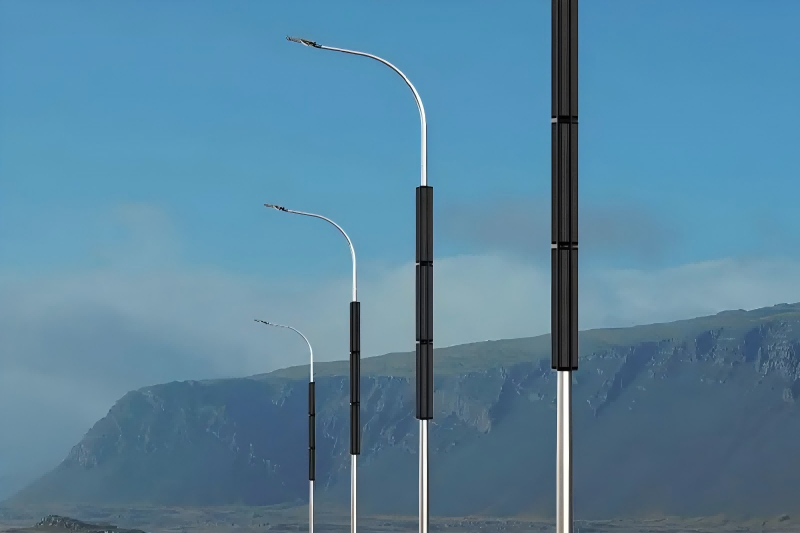
How Coatings Are Applied
Companies like Morelux use careful steps to coat steel light poles. Each coating type has its own way of being put on. This helps make the poles strong and smooth.
| Coating Type | Application Process |
|---|---|
| Powder Coating | The pole gets sprayed with powder. Then, it is heated so the powder turns hard. |
| Galvanizing | The pole goes into hot liquid zinc. This covers the inside and outside. |
| Nano-Coating | A thin layer is put on to keep away water, dirt, and oil. |
Quality checks are very important. First, workers clean and remove grease from the pole. They look for any dirt or oil left. Then, a special rinse helps the coating stick better. After the coating, the pole is cured or cooled. Each pole is wrapped to keep it safe during shipping. Workers check the poles again before sending them out.
Common Issues and Failures
Most coating failures stem from non-standard pretreatment, improper process parameters, or harsh environmental exposure. Typical issues include surface peeling, bubbling, chalking, and white rust. Regular inspection effectively detects early damage and avoids accelerated steel corrosion.
- Rust from water trapped by the pole’s design.
- Flaking or peeling when the surface is not cleaned well.
- Damage from storms or being hit.
You might see dull spots, flaking, bubbles, or white rust. Checking the poles often helps find these problems early.
Choosing the Right Coating
Picking the best coating depends on what the project needs. Important things to think about are:
| Factor | Description |
|---|---|
| Environmental Conditions | The local weather and if there is salt, humidity, or chemicals. |
| Material Properties | If the steel needs extra rust protection. |
| Maintenance Needs | How often the pole needs cleaning or new paint. |
A good supplier like Morelux gives expert help and custom choices. They help people pick the right coating for their project. This makes sure the steel poles last a long time and work well.
Tubular steel poles rely on systematic protective coatings including hot-dip galvanizing, powder coating, polyurethane finishing, Chemthane 2260, and duplex systems to resist outdoor corrosion and aging. Each coating type has standardized process parameters and applicable scenarios in line with ISO and ASTM specifications. Proper coating selection directly determines pole service life, maintenance frequency, and overall project quality. Reputable manufacturers including Morelux deliver standardized and customized coating solutions compliant with international infrastructure requirements.
FAQ
What coatings are used on Morelux steel poles?
Morelux uses hot-dip galvanizing, powder coating, Chemthane 2260, and a double-coating system. These coatings help prevent rust and extend the lifespan of the steel poles.
How long is the lifespan of galvanized steel poles?
Morelux galvanized steel poles have a lifespan of over 40 years. The zinc coating effectively prevents rust and damage from harsh weather.
Can Morelux customize coatings for specific projects?
Yes, Morelux can customize special coatings to meet the needs of each project. The factory will adjust the surface treatment process according to the project’s requirements for appearance and strength.