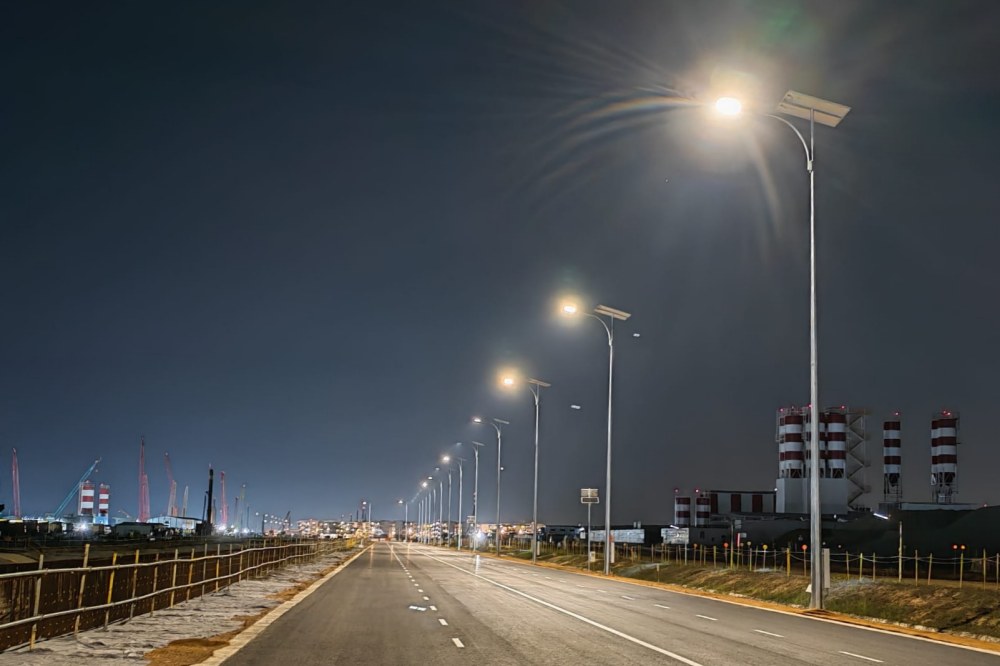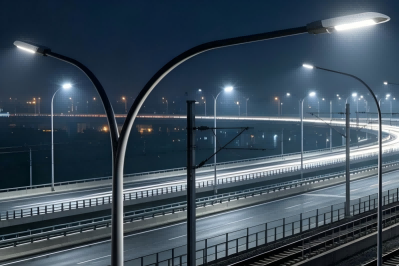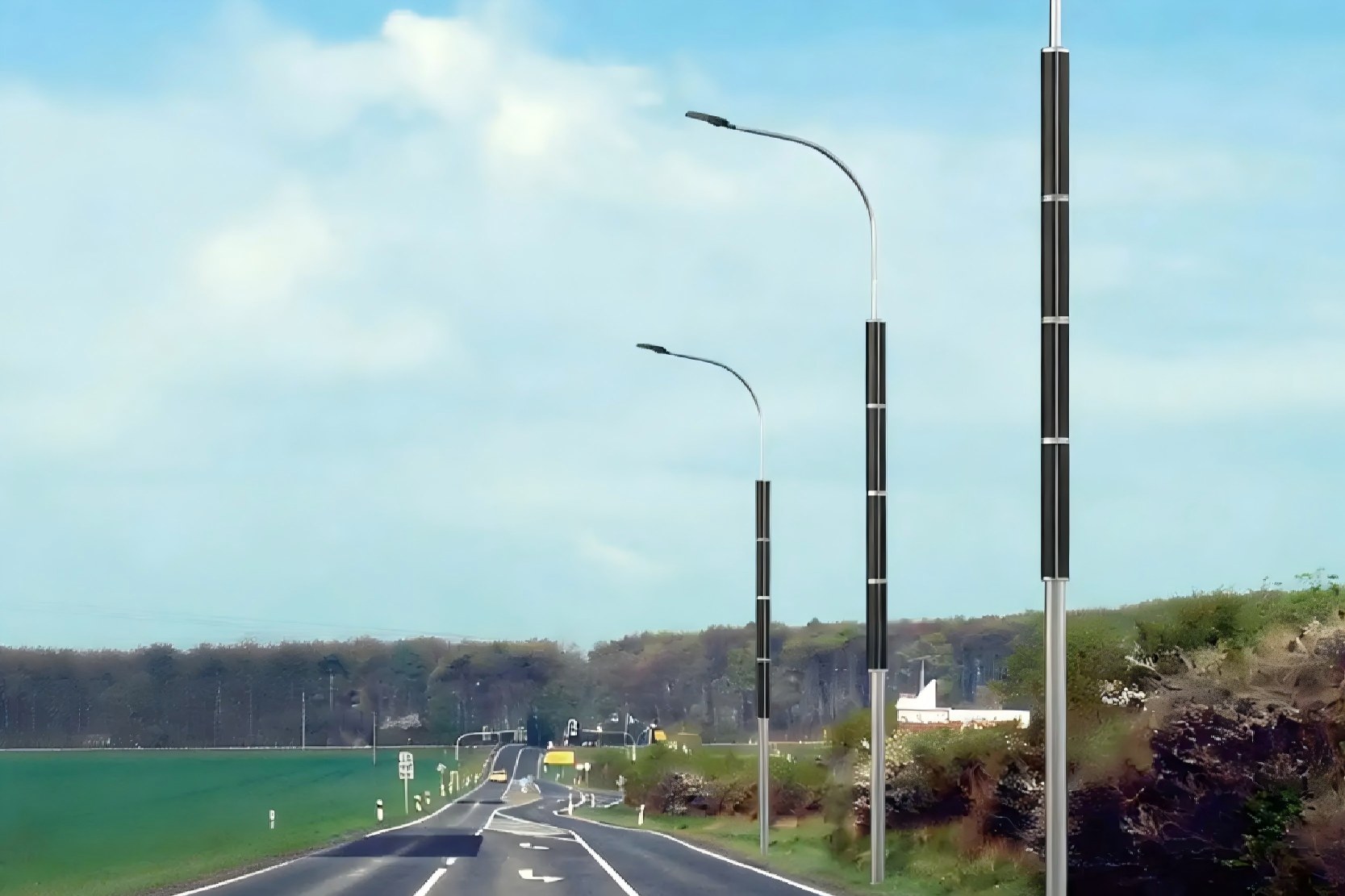
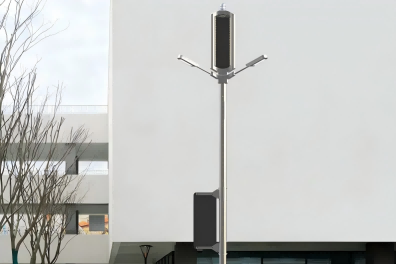
Passively safe lighting columns are critical roadside infrastructure components engineered to mitigate injury severity during vehicular impacts. By conforming to predictable failure modes—either shearing at the base or yielding through controlled deformation—these structures minimize the deceleration forces transmitted to vehicle occupants. Contrary to misconceptions regarding secondary hazards, compliant passive poles undergo rigorous crash testing to ensure debris trajectory and post-impact displacement remain within strict safety thresholds.
Key Takeaways
- Passively safe lighting columns bend or break when crashes happen. This helps lower injuries for drivers and passengers.
- These columns are made with special materials that soak up crash energy. This makes roads safer for all.
- Manufacturers have to follow strict safety rules. These rules make sure the columns protect people well.
How passively safe lighting columns work
Design elements for impact absorption
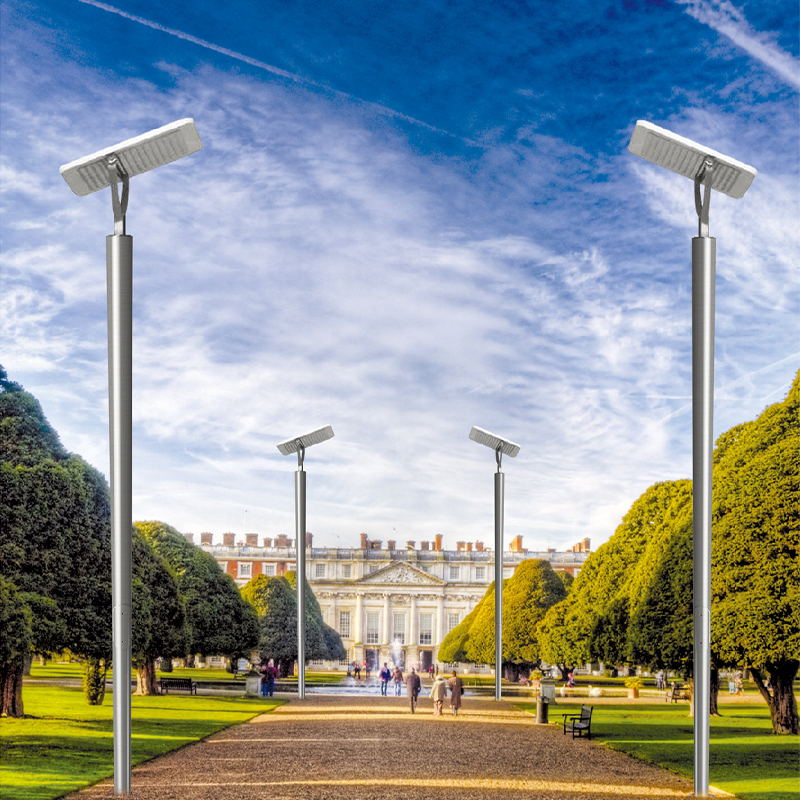
Passively safe lighting columns are built to keep people safe in crashes. They have special designs that let them break away or bend when hit by a car. These columns use materials that soak up energy from the crash. Companies make these columns with features that help stop injuries and make roads safer.
Breakaway features and flexible materials
Passive safety performance relies on specialized material selection and structural geometry. According to European manufacturing specifications followed by precision fabricators like Morelux Pole, columns are designed under three distinct impact categories defined by EN 12767: High Energy Absorbing (HE), Low Energy Absorbing (LE), and Non-Energy Absorbing (NE).
Tip: Newer passively safe columns use non-conductive materials. These can slow cars down when they crash, so people get hurt less.
Design Element Engineering Mechanism & Specifications Safety Impact Material Properties Marine-grade aluminum (e.g., 6000 series) or specialized structural steel. Dictates baseline yield strength and natural energy dissipation. Wall Thickness Variables calculated via finite element analysis (FEA). Balances structural wind-load capacity with impact shearing capability. Shear Joints / Baseplates Engineered slip-joints or breakaway bolts. Facilitates predictable detachment upon specific kinetic energy thresholds. Deformation Characteristics Controlled buckling localized to the impact zone. Prevents column wrapping around the vehicle chassis or piercing the cabin.
Dissipation of impact energy
Passively safe lighting columns use smart designs to spread out crash energy. These designs help keep drivers, passengers, and people walking nearby safer.
Mechanisms to reduce injury risk during collisions
Kinetic energy dissipation must operate in tandem with secondary hazard prevention. When a vehicle impacts a column, the foundation layout (conforming to EN 40 standards) ensures that structural failure occurs at the pole root rather than displacing the concrete anchor. Furthermore, electrical safety is Paramount. Certified passive installations must integrate automatic disconnection systems (such as specialized isolation pull-out plugs) that completely isolate power within 0.4 seconds of structural shearing, mitigating the risk of electrocution to survivors and emergency responders.
Note: Passive safety tries to stop bad injuries from crashes with things on the side of the road. This is very important where there are lots of cars and high speed limits.
Materials and durability
The materials used in passively safe lighting columns help them last longer and stay safe. Makers pick materials that are tough, soak up energy, and can handle bad weather.
Role of high-strength steel and other materials in safety
High-strength steel poles need special changes to be safe in crashes. If they do not have these changes, they can be too stiff and hurt people more. Aluminum poles bend or break in a safe way, so people are less likely to get hurt. Aluminum does not rust easily, even near the ocean, and can last over 50 years without much care. Composite materials like GRP do not get damaged by weather or sun and do not need much fixing, so they are good for cities and highways.
- Passively safe lighting columns made from composite materials do not rust and need less fixing.
- Regular steel columns need more fixing in wet or salty places.
- Aluminum and GRP columns light up roads for many years and cost less to take care of.
Companies like Morelux use new materials and smart designs to make strong, safe lighting columns for city streets, highways, and building sites.
Standards and safety of passively safe lighting columns
Key safety standards
BS-EN 40 and 100HE:2 standards
Manufacturers must follow strict rules when making passively safe lighting columns. Compliance with EN 12767:2019 (“Passive safety of support structures for road equipment”) is mandatory for modern highway deployment. Compliance testing evaluates structural behavior under two distinct impact velocities: a low-speed validation at 35 km/h (to ensure shearing activation), and high-speed rating tests at 50, 70, or 100 km/h.
Testing and approval processes
Manufacturer procedures for compliance
Manufacturers, suppliers, and factories test columns to check if they follow all rules. They use crash tests at different speeds to see how much energy the columns soak up. Engineers also check if the materials last long and if the base is strong. Every product must pass these tests before it goes on public roads. Custom columns must follow these rules to keep people safe.
- Crash tests show how columns work in real crashes.
- Engineers check how much energy the column soaks up.
- Products need a CE mark to prove they follow safety rules.
Importance of compliance
Safety and legal requirements
Following safety rules keeps drivers, walkers, and managers safe. It lowers the chance of getting hurt or killed in crashes. Using the right standards also stops legal trouble. If a column does not follow the rules, it can cause more harm in a crash. Companies like Morelux make sure every product follows these rules before sending them out.
Note: Only columns that pass all tests and have the right marks can be used in public projects.
Applications and benefits of passively safe lighting columns
Typical environments and use cases
Urban roads, highways, and construction zones
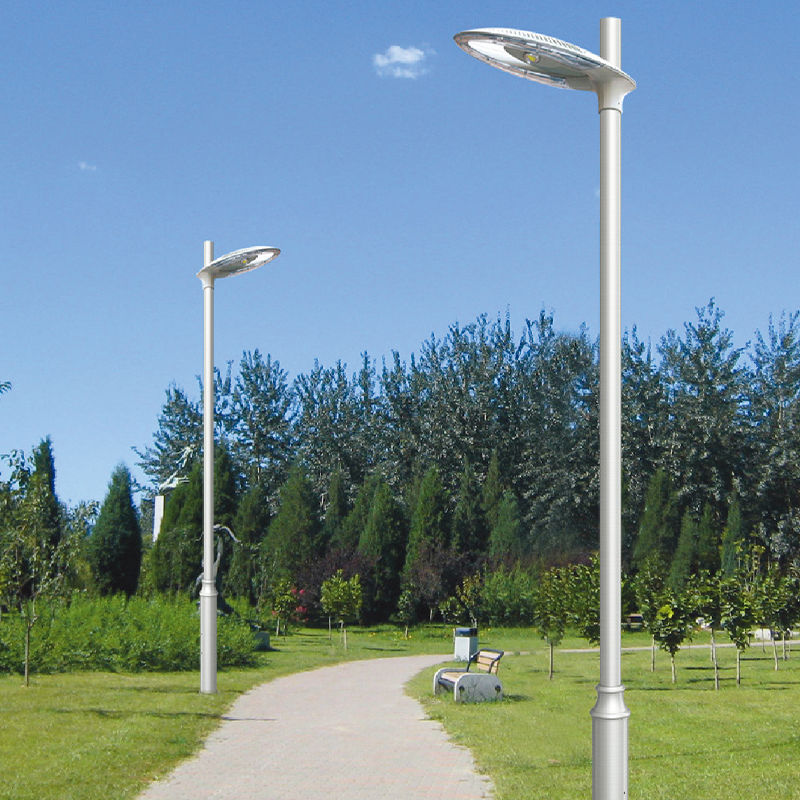
Passively safe lighting columns are used in many places. You can find them on city roads, highways, and at building sites. These columns help make roads safer for everyone. Safety levels from 1 to 3 are best for lighting in cities and the countryside. Public areas use passive safety features to lower injuries in crashes. This includes lighting columns and other things by the road. David Milne, who knows a lot about passive safety, says it is important people can walk away after a crash.
- City streets
- Fast highways
- Busy work zones
- Places with overhead gantries
Impact-resistant design advantages
Hazard reduction for drivers, pedestrians, and maintenance workers
Passively safe columns are made to lower dangers for drivers, people walking, and workers. These columns soak up crash energy, so fewer people get hurt. Cars keep moving the right way after hitting a column, so people inside are safer. Both high-energy and low-energy absorbing columns help stop deaths on roads. Putting columns in smart spots, like inside curves, makes roads even safer.
Note: Planning early with design teams and checking risks helps keep roadside structures safer.
Role of manufacturers
Customized solutions by companies like Morelux
Companies like Morelux make special products for different projects. Morelux is a top maker of steel poles. They sell street lighting poles, solar poles, and poles for overhead gantries. Their engineers change each product to fit what a project needs. They offer both bulk and custom choices, so every place gets the safest column. Other brands like Valmont, Philips, and Schreder also make strong, safe lighting columns for roads.
Passively safe lighting columns are very important for road safety. Here are some main ideas: These columns help keep people alive by lowering injuries. Makers and sellers must follow EN 40 and EN 12767 rules. Taking care of the columns helps them work well for a long time. Always look for real certificates and test papers from the factory.
FAQ
What makes a lamppost a “passive safety” feature?
Passive safety lampposts absorb impact energy. If a vehicle collides with the pole, it may bend or break. This helps protect the driver and passengers from injury.
Can manufacturers provide custom passive safety lampposts?
Yes. Many companies, such as Morelux, offer custom lamppost services. They can modify the size, material, or appearance of the lamppost to meet the specific needs of each project.
Where do factories typically install passive safety lampposts?
Factories and workers typically install these lampposts on highways, city roads, and construction sites. These locations require enhanced safety for vehicles and pedestrians.