The wall thickness of steel light poles directly determines structural safety, service life, and total project cost. This critical parameter is meticulously designed and rigorously inspected during production to meet global industry standards. We extensively utilize advanced cutting, spinning, and welding technologies to ensure the stability of light pole performance. As an experienced steel light pole manufacturer, Morelux adheres to a quality management system.
Key Takeaways
- Choose an appropriate wall thickness based on actual project requirements; thicker steel poles offer higher structural strength, better wind resistance, and a longer service life.
- Select the appropriate pole thickness based on the application scenario: thinner poles are suitable for residential areas and parks, while highways, coastal areas, and industrial zones require thicker, high-strength poles.
- Prioritize product quality and corrosion resistance. Hot-dip galvanizing, powder coating, and stainless steel materials effectively improve the rust resistance and outdoor durability of the light poles.
Steel Light Pole Thickness Options
Common Specifications and Dimensions
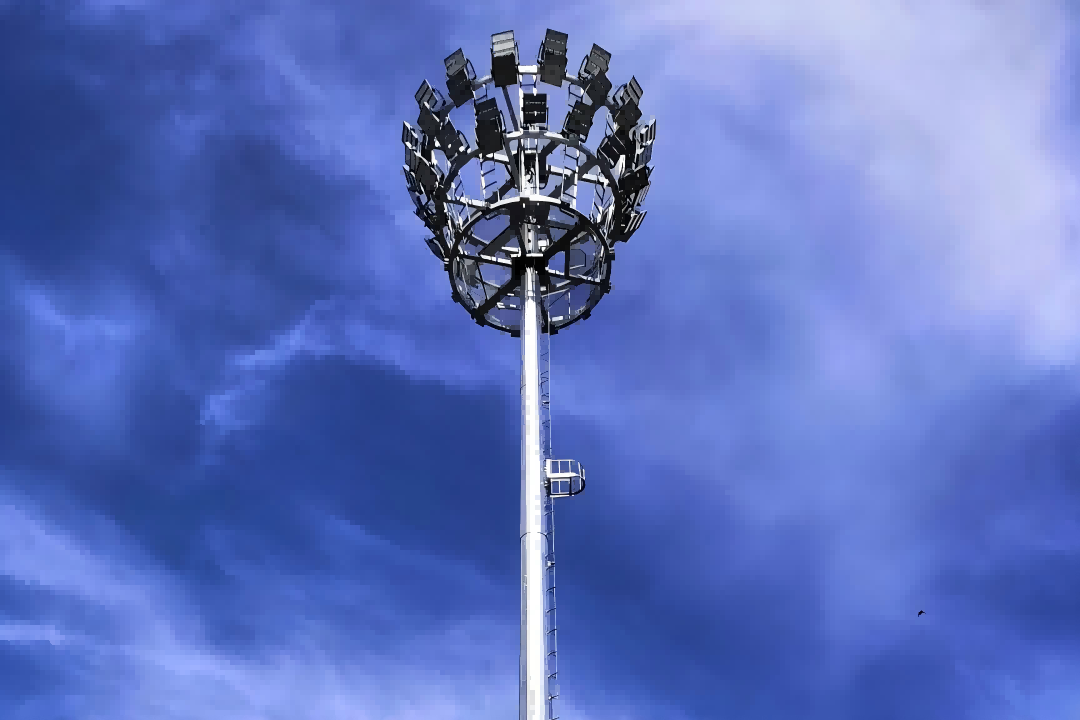
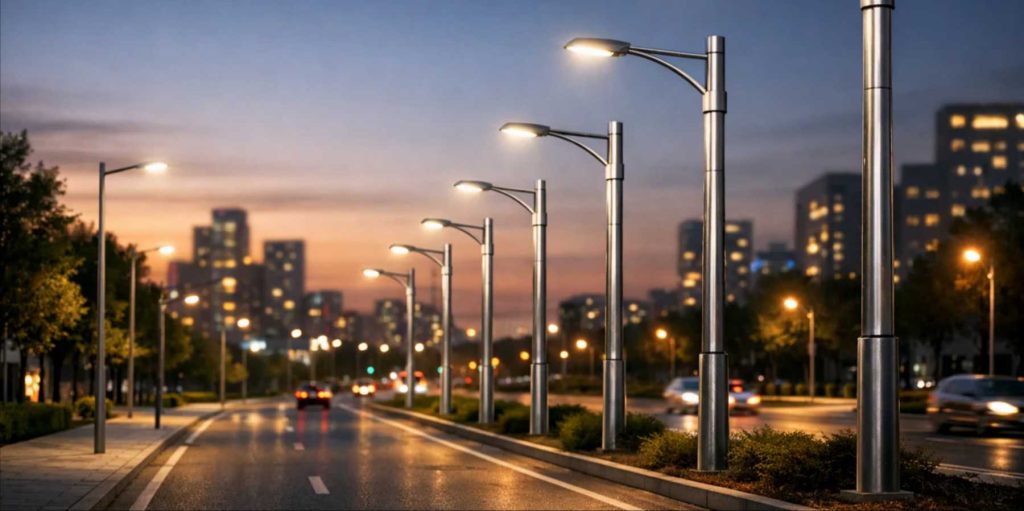
The wall thickness of steel light poles is matched by the manufacturer based on pole height, wind load, and application scenario. The most common steel gauges used to measure steel light pole thickness are 11 Gauge (0.120″), 7 Gauge (0.188″), and 5 Gauge (0.219″). The thickness selection depends on pole height, diameter, and the EPA (Effective Projected Area) of the attached fixtures. 11 Gauge is typically used for 8′-40′ poles in residential streets and parks; 7 Gauge is standard for 20′-70′ poles on urban arterial roads and parking lots; while 5 Gauge is reserved for very tall poles (like 70′ high-mast) or severe wind-load environments.
No. 11 light poles are suitable for residential streets and landscaped parks; No. 7 light poles are widely used on urban main roads and parking lots; No. 5 thickened light poles are recommended for stadiums, ports and areas with strong winds to withstand extreme weather and heavy lighting loads.
| Application | Typical Pole Height | Notes |
|---|---|---|
| Residential streets | 5–8 m | Decorative styles are popular |
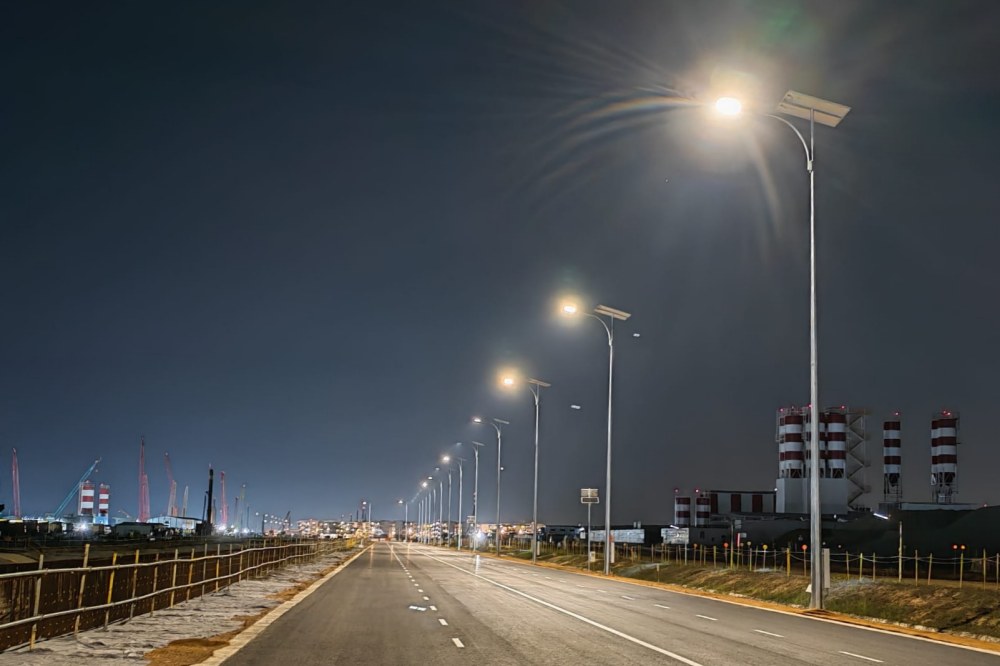
| Urban arterial roads | 8–12 m | Single or double-arm brackets used |
| Highways and expressways | 10–14 m | Needs strong design for wind |
| Parking lots | 6–10 m | Multi-arm brackets lower pole numbers |
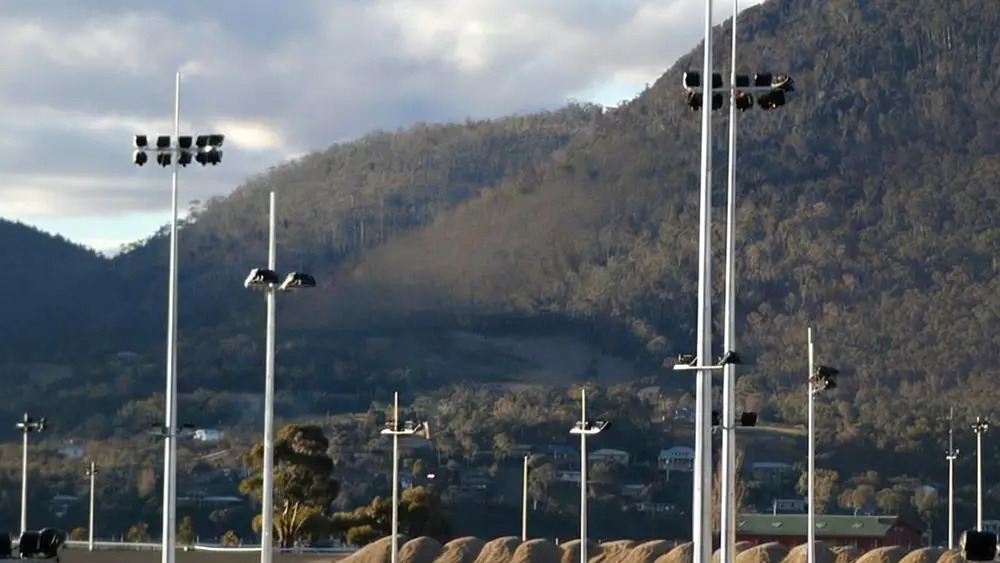
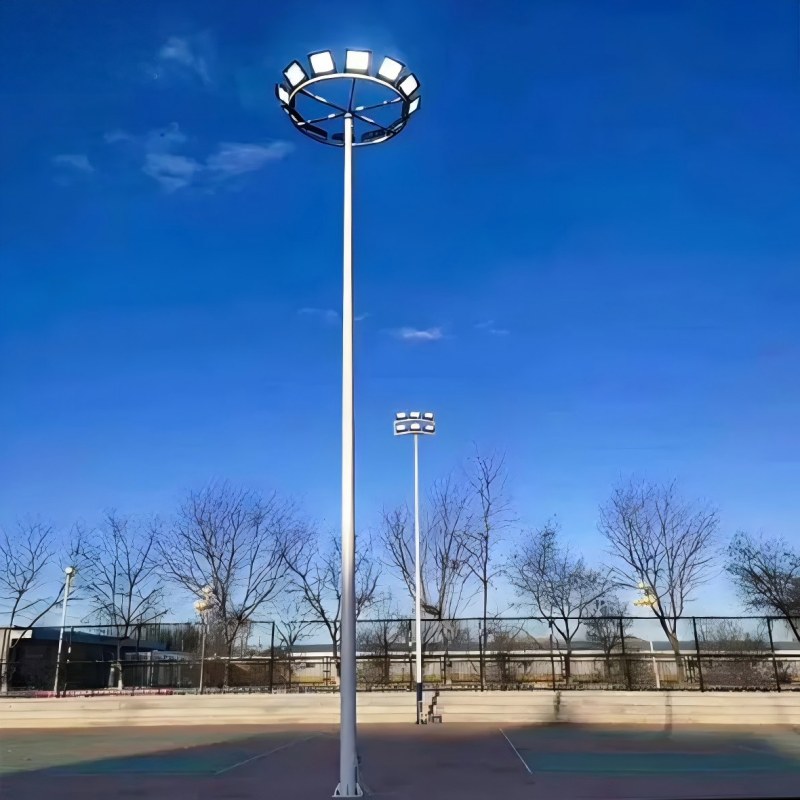
| Sports fields and stadiums | 15–40 m | High-mast poles with many lights |
| Parks and pedestrian paths | 3–6 m | Bollard or scroll styles look nice |
| Port and industrial areas | 20–45 m | High-mast; needs rust-proofing |
Companies like Morelux use intelligent machines to match the wall thickness, height, and intended use of light poles. Morelux’s factory performs precise wall cutting and welding on the poles. The team conducts quality and strength checks on each pole and selects the appropriate steel grade for each project. Stainless steel poles offer superior rust resistance, making them ideal for coastal areas or factory zones.
Morelux strictly adheres to international structural and safety standards. Our factory operates under the ISO 9001:2015 quality management system, and our engineering designs comply with AASHTO (American Association of State Highway and Transportation Officials) wind load ratings as well as EN 40 standards for Europe. By utilizing premium structural steel and rigorous automated welding, our defect return rate is strictly controlled below 0.03%, ensuring robust structural stability for global infrastructure projects. Morelux accepts custom orders from large clients and provides OEM and ODM services for special projects.
The wall thickness of a steel light pole affects its rust resistance. Thicker poles allow for more robust coatings and galvanizing, preventing rust and extending their lifespan. Stainless steel light poles are inherently rust-resistant, while carbon steel light poles require a protective coating.
The choice of steel light pole depends on wall thickness, steel grade, and rust resistance. Choosing the appropriate wall thickness helps the pole withstand weathering. A suitable wall thickness also allows it to support heavier light fixtures and supports. Manufacturers recommend using thicker light poles in windy or harsh environments. Parks and residential areas often use elegantly designed, slender light poles.
Tip: Always check wall thickness and material quality before you buy a steel light pole. This keeps your project safe and strong.
How to choose the right steel light pole for you
Structural Strength
The thickness of a steel light pole is crucial to its strength. Thicker walls help the pole withstand strong winds and the weight of heavy lighting fixtures. Thicker walls also reduce bending deformation and prevent dents and damage. This means the pole can withstand greater weight and stress over time.
- Thicker poles give:
- More strength
- Better bending resistance
- Less shaking
- Extra protection from rust
- Fewer repairs needed
Thicker steel light poles are needed in windy places. They are also good where many lights are on one pole. These poles help keep people safe during storms.
Durability and Corrosion Resistance
Appropriate wall thickness improves overall durability and corrosion resistance. Combined with treatments such as hot-dip galvanizing, thicker walls provide better rust protection, especially at the base of the pole, where rust is most likely to occur.
Stainless steel poles have excellent natural corrosion resistance, making them suitable for coastal and industrial areas. Carbon steel poles rely on high-performance coatings for protection. After standard anti-corrosion treatment, steel poles can have a service life of 40 to 50 years. While thicker poles have higher initial costs, they require less maintenance and have a longer service life.
Cost Impact
Thicker poles have higher initial costs due to greater steel consumption, the need for reinforced foundations, and higher installation costs (requiring specialized tools and skills). However, their longer service life and lower maintenance costs can result in significant cost savings for large projects in the long run.
Note: Thicker poles require higher initial investment but can reduce replacement frequency and lower total long-term expenditure.
Installation Factors
Wall thickness directly affects the installation scheme. Heavier utility poles require reinforced foundations and high-strength bolts to maintain their stability in strong winds. Tall utility poles and those installed in open areas must be designed with thicker walls.
| Installation Challenge/Requirement | Description |
|---|---|
| Wall Thickness | Thicker poles are needed for tall poles and windy places. |
| Wind Load Resistance | Thicker walls help the pole stand up to wind. |
| Foundation Requirements | Heavy poles need strong bases for extra weight. |
Stainless steel poles are preferred for harsh service environments due to high strength and excellent anti-rust ability. Morelux provides customized pole solutions for individual project demands.
Standards and Compliance
A complete set of industry standards regulates pole wall thickness and coating specifications to guarantee safety and service life. To ensure maximum durability, the minimum coating and hot-dip galvanizing thicknesses are strictly governed by standards such as ASTM A123, ISO 1461, and EN ISO 1461, rather than generic management systems. These standards define the required zinc coating thickness based on the steel’s wall gauge to prevent corrosion. Manufacturers, distributors and project contractors are required to comply with these regulations.
| Steel Thickness (mm) | Minimum Local Thickness (µm) | Minimum Mean Thickness (µm) |
|---|---|---|
| > 6 | 70 | 85 |
| 3 to 6 | 55 | 70 |
| 1.5 to 3 | 45 | 55 |
| < 1.5 | 35 | 45 |
Stainless steel poles can exceed standard requirements thanks to their inherent anti-corrosion property. Always confirm that your supplier follows relevant industry standards. All poles from Morelux meet or exceed international specifications.
Tip: Select matched wall thickness, steel grade and anti-corrosion solutions for your project to achieve optimal performance.
Applications by Steel Light Pole Thickness
Residential Areas
In residential areas, the selection of columns must balance structural safety and aesthetic appeal. Appropriate wall thickness ensures the column’s stability against wind and rain erosion. No. 11 thin-walled columns are often used for shorter decorative columns, perfectly complementing the style of residential streets and parks. The table below lists the key factors for selecting columns:
| Aspect | Influence on Selection |
|---|---|
| Structural Stability | Makes sure poles can handle weather and stop accidents. |
| Aesthetic Design | Thickness should fit the look of the neighborhood. |
Commercial Use
Commercial areas such as shopping malls and parking lots generally use poles of 15 to 30 feet high. 11 gauge or 7 gauge poles are the mainstream choices. Wall thickness and pole spacing are adjusted according to lamp power and lighting range: high-power lamps allow wider pole spacing, while low-power lamps require closer layout.
- High-quality lighting design requires reasonable matching of lamp power, pole height, pole spacing and light distribution.
- Most poles range from 15 to 30 feet in height.
- The standard pole spacing is 30 to 40 feet.
Municipal and Public Spaces
Municipal roads and public parks adopt medium-thickness poles for long-term safety and durability. Our products comply with ASTM A123, ISO 1461, EN 40 and AWS D1.1 standards.
High-Wind or Heavy-Duty Zones
Factories, ports and coastal areas require thick-wall poles made of high-grade steel. Wind resistance is not determined by steel gauge alone; it is a calculated result of pole shape (round tapered poles offer the best aerodynamic efficiency), shaft diameter, wall thickness, and total fixture EPA. According to AASHTO wind load guidelines, an engineered 7 Gauge steel pole can safely withstand wind speeds from 100 to over 130 MPH, making it the ideal choice for hurricane-prone coastal areas, open landscapes, and heavy-duty high-mast installations.
Wall thickness determines the safety level, cost and service life of steel light poles. Thick poles are ideal for highways and coastal areas, while thin poles suit parks and residential districts. Morelux provides professional selection guidance for all clients. The table below shows our advantages for special projects:
| Reason | Benefit |
|---|---|
| Longevity | Poles last 20–30 years in tough conditions |
| Cost Analysis | Lower long-term costs for buyers |
| Material Check | Right steel and coating for each location |
FAQ
Which steel pole thickness is most suitable for areas with high winds?
No. 7 steel light poles are suitable for areas with high winds. Morelux and other suppliers state that this thickness provides greater strength and is also safer for personnel.
Can manufacturers provide light poles of custom thickness?
Factory companies like Morelux can produce light poles of custom thickness. Buyers can make requests for special specifications.
How does wall thickness affect maintenance costs?
Thicker steel poles require less frequent maintenance. Wholesale buyers choose thicker light poles to reduce long-term maintenance costs.