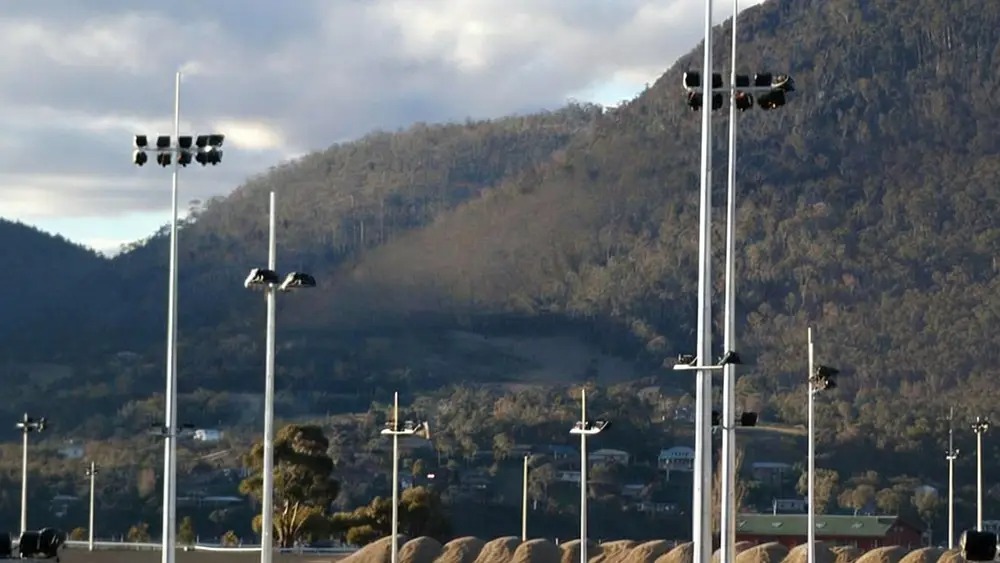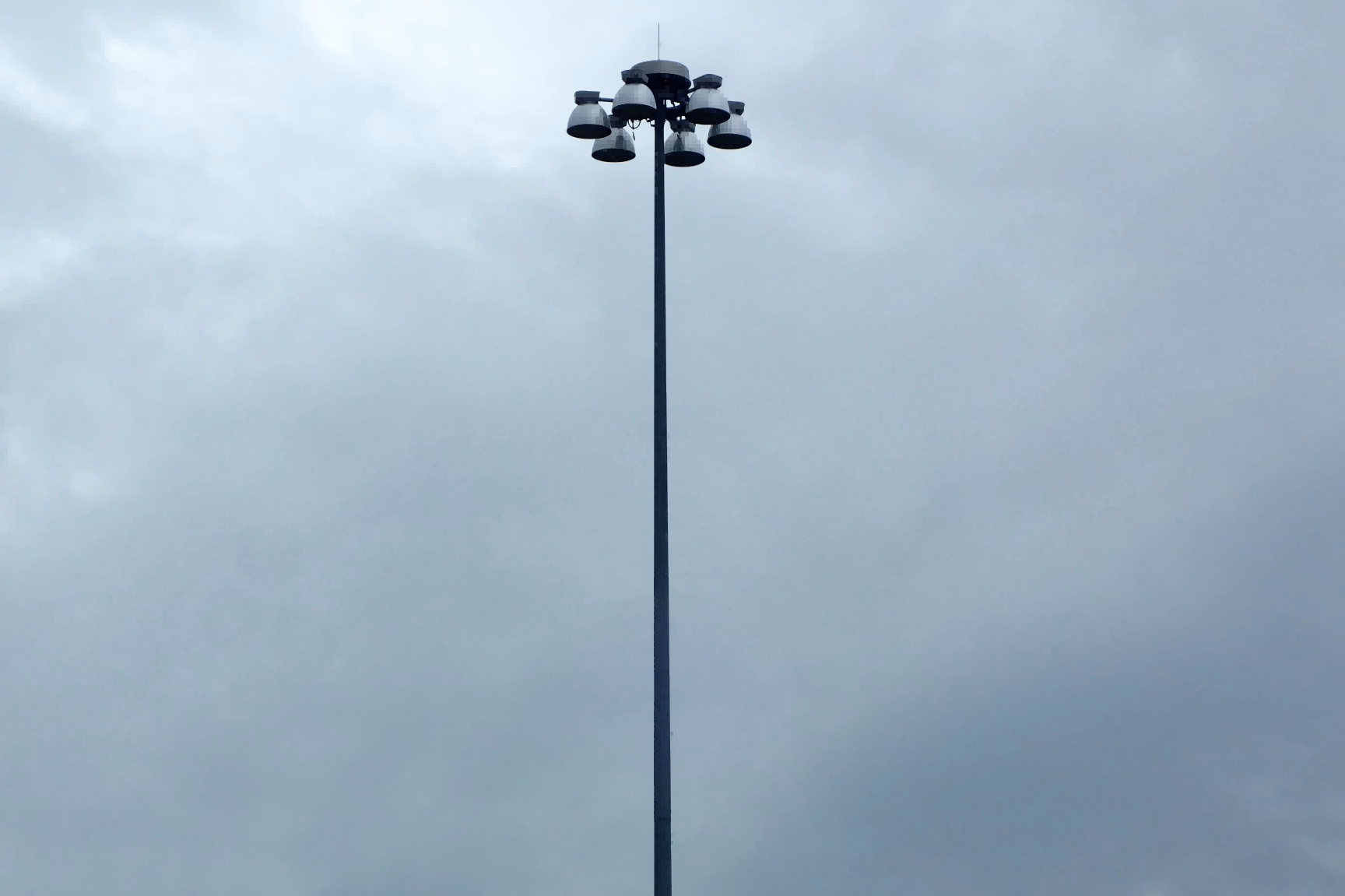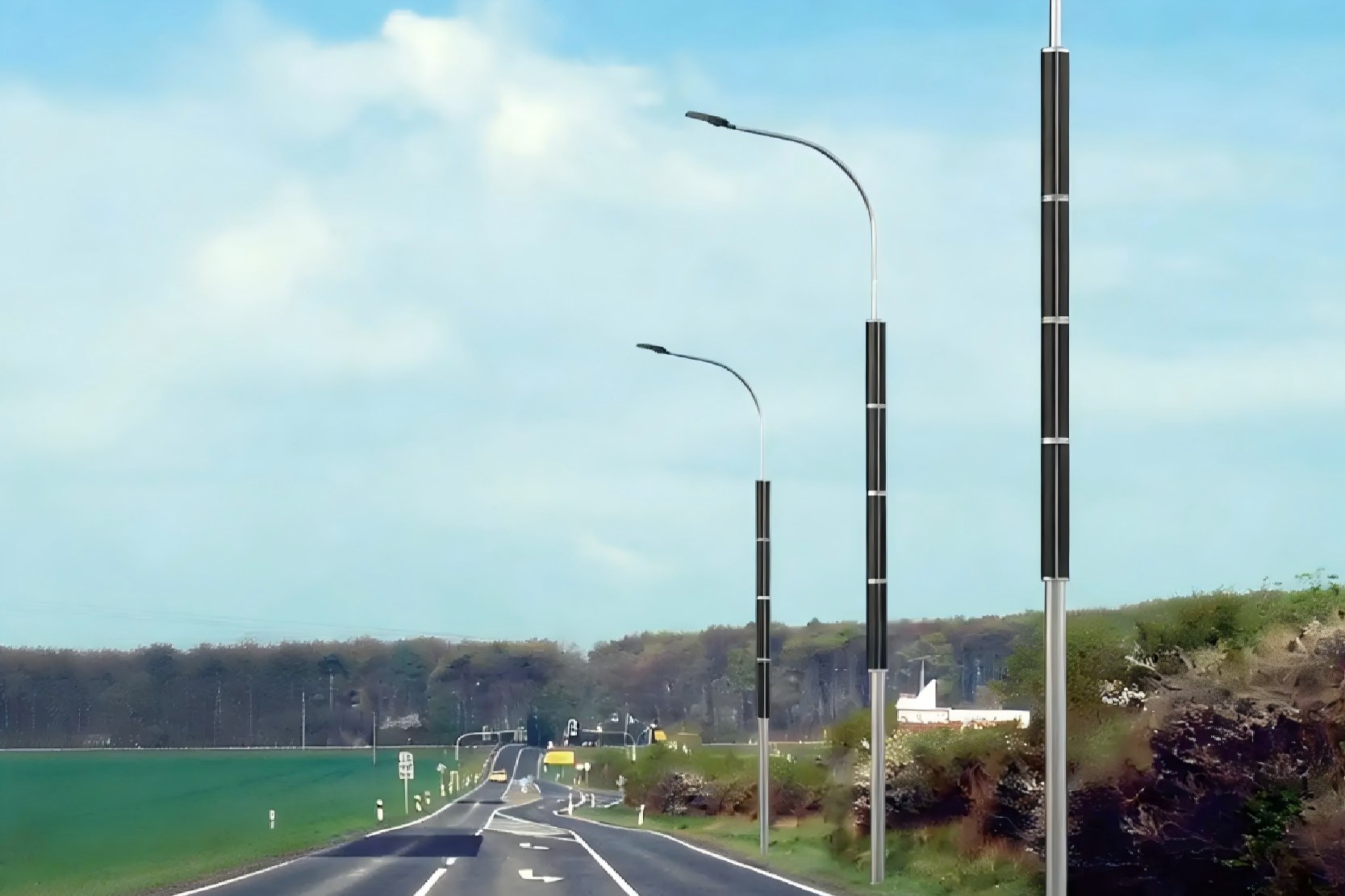
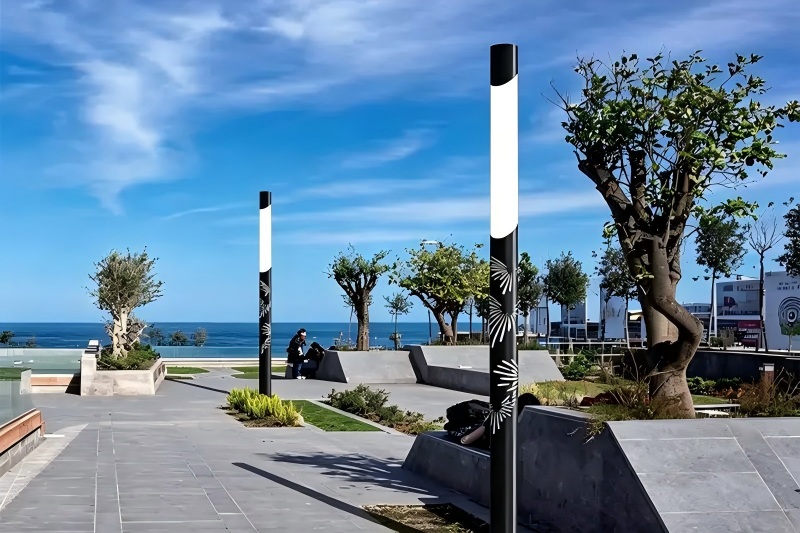
Manufacturers employ meticulous design and specialized processes to manufacture light poles. The materials chosen affect the pole’s strength and lifespan. Steel is extremely strong and suitable for areas with strong winds. Aluminum is lightweight and rust-resistant. Fiberglass is suitable for coastal areas. Wooden light poles are still used in rural areas.
Key Takeaways
- Manufacturers use materials like steel, aluminum, fiberglass, wood, and concrete for light poles. Each material has its own good points. Steel poles are very strong and last a long time. They work well in places with strong winds or heavy things on them. Aluminum poles are light and do not rust. They are good for wet places or near the ocean. Fiberglass poles are safe to use near power lines and last a long time. But they cost more at first. Quality control checks make sure light poles are safe. This helps them meet world standards. It also makes them good for many different projects.
Light Pole Materials
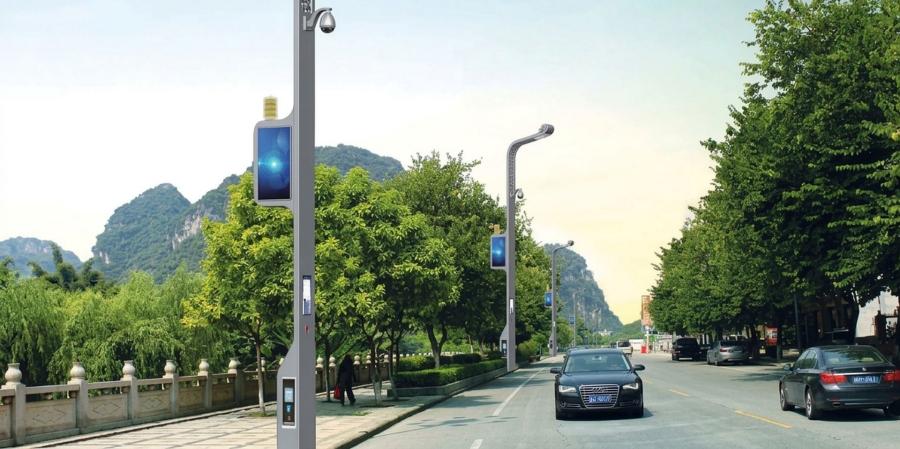
Light pole materials are very important for how well poles work and how long they last. Manufacturers pick materials by looking at strength, price, the environment, and what the project needs. The most used materials for utility poles are steel, aluminum, fiberglass, wood, and concrete.
Steel
Steel is the main material for many utility poles. Manufacturers like steel because it is strong and lasts a long time. Steel poles can hold heavy things like banners and solar panels. Grades like ASTM A-36 give steel poles the power to handle strong winds and heavy weight. Steel can be made in different shapes and looks. Galvanized or coated steel does not rust easily, so it is good for long use. Morelux is a top company that makes custom steel poles for lighting and utility jobs.
Note: Steel utility poles are heavy and need strong bases, but they last a long time and do not need much care. This makes them a top pick for many builders and workers.
Aluminum
Aluminum poles are much lighter than steel poles. Their weight is about one-third of steel, so they are easier and cheaper to move and put up. Aluminum makes a layer that stops rust, which helps in wet or salty places. These poles are best for jobs where rust and fast setup matter. Aluminum poles can last 30 to 50 years and do not need much work.
Fiberglass
Fiberglass poles do not rust and are very light. They do not carry electricity, so they are safer near power lines. Fiberglass poles are good for places near the sea, in chemical plants, or where it is very wet. They can last more than 50 years and need little care. But fiberglass poles can cost more at first and do not have as many design choices.
Wood Poles
Wood poles are still used in the country and old-style places. They look classic and do not cost much at first. Wood poles are good insulators and are easy to find. But they last only 25 to 30 years and need to be checked often for rot, bugs, and cracks. Wet weather means more work to keep them safe. Even with these problems, wood poles are still used because they are cheap and good for the earth.
Concrete
Concrete poles are very strong and last a long time. Precast concrete poles can get very strong in just 28 days. These poles do not get damaged by weather, acids, or alkalis, so they are good for tough places. Concrete poles can last over 50 years and do not need much care. They are heavy, so putting them in is harder, but they last so long that it is worth it.
| Material | Advantages | Disadvantages |
|---|---|---|
| Steel | Strong, lasts long, can be shaped, little care | Heavy, needs strong base |
| Aluminum | Light, does not rust, easy to put up | Not as strong as steel, can get pits in salt |
| Fiberglass | Does not rust, light, safe near wires | Costs more, not many design choices |
| Wood | Cheap, good for earth, insulates well | Short life, needs lots of care |
| Concrete | Very strong, lasts long, handles weather | Heavy, hard to put in |
Steel Light Pole Manufacturing Process
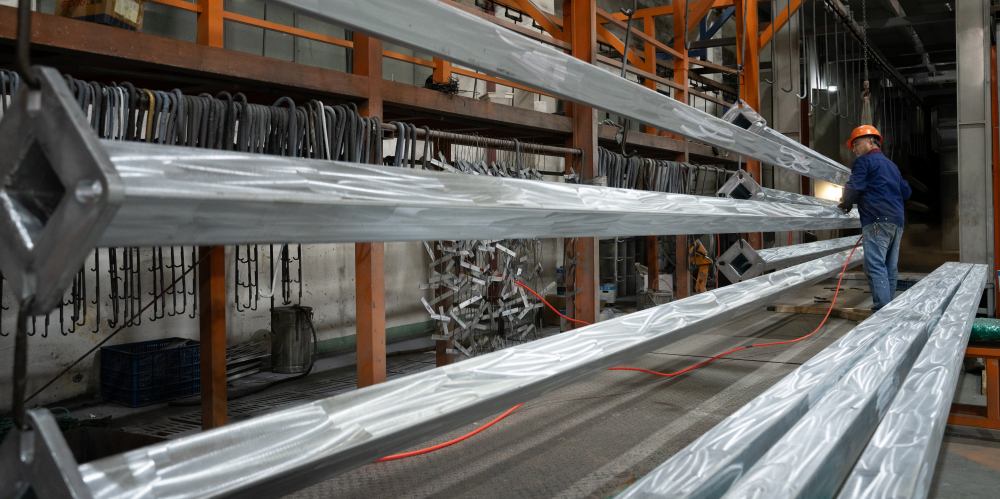
Making steel light poles takes many careful steps. Each step helps make sure the pole is safe and strong. Morelux is a top company that uses new machines and strict checks. They make steel light poles for big projects all over the world. Here are the main steps in making these poles.
Cutting and Shaping
First, workers cut flat steel sheets to the right size. They use special machines like hydraulic cutters and disc knives. Laser and plasma cutters make holes for hands and mounting. These machines help make sure every part fits together well. The pole needs to be strong enough to hold heavy things. Laser cutting also helps save material and makes the product better.
Note: Cutting and shaping must be very exact. This helps the pole stay strong in wind and when holding heavy things.
Rolling and Forming
Next, the steel sheets go to rolling and forming. Cold rolling or brake pressing bends the steel into tubes. The tubes can be round, square, or have many sides. For conical poles, workers use molds and blades to bend the steel. Rolling machines finish the shape and check the size. Cold rolling makes the tubes smooth and the right size. This is important for parts you can see and for easy building. This step lets workers make many shapes and keep sizes correct.
| Dimension Type | Tolerance Range |
|---|---|
| Width of Cross-Section | ±0.015 inches (0.38 mm) |
| Depth of Cross-Section | ±0.060 inches (1.5 mm) |
| Sheet Thickness | 0.004–0.125 inches (0.10–3.2 mm) |
| Max Profile Depth | < 4 inches (10 cm) |
| Max Profile Width | > 20 inches (51 cm) |
Welding and Assembly
After shaping, the next step is welding and putting parts together. Machines weld the seams and attach the base plate. These machines make the welds the same every time. Good welds make the pole strong and last longer. Morelux uses robots and smart computers to check every weld. Tests look for cracks inside the pole to make sure it is safe.
| Aspect | Improvement/Result | Explanation |
|---|---|---|
| Precision | 15% fewer defects | Robots correct misalignment and reduce welding errors |
| Productivity | 5–10% more output | Predictive maintenance and process optimization |
| Performance | 10–15% cost savings | Better quality control lowers operational costs |
Surface Finishing
Surface finishing keeps steel light poles from rusting. First, sandblasting cleans the steel and gets it ready for coating. Workers then add layers like hot-dip galvanizing or powder coating. Hot-dip galvanizing covers the pole with zinc to stop rust. Powder coating gives UV protection and a tough finish. These coatings help the pole last longer and need less fixing, even in hard weather.
| Technique | Description |
|---|---|
| Hot-Dip Galvanizing | Submerges steel in molten zinc for a protective layer |
| Powder Coating | Adds UV protection and a tough finish over galvanized steel |
| Duplex System | Combines galvanizing and powder coating for maximum corrosion resistance |
| Sandblasting | Cleans the steel surface for better coating adhesion |
| Zinc-Rich Epoxy Primer | Provides a corrosion-resistant base before the top coating |
| Polyurethane/Polyester | Offers extra UV and weather resistance as a top coating |
Quality Control
Quality control is very important in making light poles. Morelux uses a system to keep returns very low. The factory checks every batch for size, welds, and weather resistance. Workers use special tests to find cracks inside the pole. They also use lasers to check if the poles meet standards. Every pole must pass rules like ANSI and IEC before leaving the factory. Careful checks make sure each pole is safe and strong for big jobs.
Tip: Checking quality at every step helps Morelux give good steel light poles to builders and partners everywhere.
Morelux’s way of making steel light poles uses new machines, careful planning, and strict checks. This makes sure every pole is safe and works well. That is why many big projects trust these poles. Wood poles are still used in some places, but steel light poles are stronger and last longer for today’s needs.
Other Light Pole Manufacturing Processes
Manufacturers use different ways to make street light poles. They use materials like aluminum, fiberglass, wood, and concrete. Each way gives the pole special features and good points. The table below shows how each material is made and what makes it useful.
| Material | Manufacturing Process | Properties | Benefits |
|---|---|---|---|
| Aluminum | Hot aluminum is poured into molds and shaped by extrusion. | Light, does not rust | Lasts long, easy to put up, can be anodized for more safety. |
| Fiberglass | Fiberglass strands are wrapped, dipped in resin, and wound around a mandril. | Does not carry electricity, no rust | Good for the coast, light, many looks, safe to use. |
| Wood | Logs are peeled, shaped, and treated with chemicals. | Natural insulator, can regrow | Cheap, easy to find, classic look, good for the earth. |
| Concrete | Concrete is poured into steel molds and left to harden. | Very strong, stands up to weather | Lasts long, little care needed, fights off chemicals and tough weather. |
Aluminum Poles
Making aluminum poles starts by melting the metal. Workers pour the hot aluminum into molds. Then, machines press it into hollow shapes. This lets factories make many designs for these poles. Anodizing or powder coating helps stop rust. Aluminum poles are lighter than steel. Crews can put them up fast. These poles last many years and do not need much work.
Fiberglass Poles
Fiberglass poles are made by wrapping strands around a mandril. The strands are soaked in resin. The pole gets hard as it dries. This makes a strong pole that does not carry electricity. Fiberglass poles are good near the sea or in chemical plants. They are light, so moving and putting them up is easy. Factories can make them in many colors and shapes.
Wood Poles
Wood poles are still used in country areas. Factories pick straight logs and peel and shape them. Workers treat the wood with chemicals to stop rot and bugs. Wood poles are good insulators and look natural. They cost less than other poles and use resources that can grow back. But, wood poles need to be checked often to stay safe.
Concrete Poles
Concrete poles are made using steel molds. Workers pour concrete into the molds and let it dry. This makes strong poles that stand up to bad weather. Concrete poles do not get hurt by chemicals, water, or storms. Factories can make them in many shapes and sizes. These poles last a long time and need little care.
Picking the right material for street light poles matters for the earth. Using recycled metals and green materials helps the planet. Strong materials like aluminum and concrete also mean less fixing, which is better for nature over time.
Light Pole Components and Installation
Base Plates and Mounting
Base plates are an important part of light pole components. These plates help connect the pole to its base and keep it steady. Anchor bolts, nuts, and washers hold the base plate to the concrete. A strong base needs the right concrete and rebar to handle stress and weather. Base covers hide the bolts for safety and a neat look. Pole caps keep out rain and birds.
Key light pole components for mounting include:
- Base plates
- Anchor bolts and washers
- Base covers
- Pole caps
Electrical and Fixtures
Light pole components also have electrical parts and fixtures. Handholes and conduit holes let workers reach and run wires inside the pole. Grounding helps protect people from electrical dangers. Fixture arms, brackets, and luminaire mounts hold lights or other gear. These parts make fixing and using the pole easier and safer.
Installation Methods
Installing a light pole starts with getting the site ready and pouring a concrete base. Workers put anchor bolts in the wet concrete and line them up with the base plate. After the concrete dries, they put the pole over the bolts and tighten it. For wood poles, crews often bury the pole straight into the ground. Each way makes sure the pole stands strong and meets safety rules.
Steps for light pole installation:
- Get the site ready and dig the base.
- Pour concrete and put in anchor bolts.
- Let the concrete dry.
- Put the pole on and tighten with nuts and washers.
- Hook up wires and fixtures.
Durability and Performance
How well light poles are made affects how long they last and how well they work. Steel poles are strong for busy places. Aluminum and fiberglass do not rust in tough weather. Picking the right height and base size helps the pole work better and need less fixing. Checking for rust or damage helps steel and wood poles last longer. Companies that follow strict rules make products that can handle bad weather and heavy use.
Tip: Picking the right light pole parts and using skilled workers keeps things safe, reliable, and valuable for a long time.
Manufacturers use simple steps to make light poles. First, they cut and shape the material. Then, they weld the parts together. Workers finish each pole with care. The material picked changes how strong the pole is. It also changes how long the pole will last. Quality checks make sure every pole is safe. Morelux uses new machines and smart ways to make steel poles. They can make special poles for different jobs. Their poles work well in many places around the world. Wood poles are still used in the country. Steel poles last longer and are stronger.
Buyers should look at how well poles are made before picking them for their projects.
FAQ
How do manufacturers ensure light poles last in harsh weather?
Manufacturers use special coatings such as hot-dip galvanizing and powder coating. These coatings help prevent the steel poles from rusting and suffering from sun damage. The factory conducts strength and weather resistance checks on each light pole before shipment.
Why are steel poles a popular choice for lighting projects?
Steel poles are strong and durable. Suppliers can produce steel poles of various sizes and weights. The factory uses high-quality welding and surface treatment processes to meet international standards.
Are wooden light poles still used in modern infrastructure?
Wooden light poles are still used in rural areas. Manufacturers treat the wood poles chemically to prevent insect infestation and rot. These poles have a natural appearance and are more economical than metal or concrete poles.
How do suppliers customize light poles for different projects?
Suppliers can change the size, installation method, and surface treatment of the light poles. The factory can add components such as handholes or lamp arms. Customization options help meet the needs of special projects.
What quality standards does the factory follow during the light pole manufacturing process?
The factory adheres to standards such as BS EN, AASHTO, AS/NZS, and MS. These standards ensure that every utility pole is safe, robust, and well-suited for large-scale projects worldwide.